When a global luxury titan orchestrates a major runway event, the choice of geography is never incidental. It is a calculated declaration of intent. On November 5, 2024, Chanel brought its Cruise 2024/25 collection to the Hong Kong Design Institute (HKDI). Originally debuted in the sun-drenched, brutalist corridors of Marseille in May, the collection’s transition to the dense, kinetic environment of Hong Kong served as more than a mere replica show. It was a cultural summit, a reaffirmation of a historic retail market, and a masterclass in weaving high fashion into the fabric of local arts education and cinematic heritage.
For the French house, the return to Hong Kong was a long-deferred ambition, interrupted first by the city's 2019 civic unrest and subsequently by the prolonged isolation of the global pandemic. The decision to finally land the Cruise collection in the territory was framed explicitly around resilience and commitment. "We will continue to invest in Hong Kong. We're very pleased to be in Hong Kong," Bruno Pavlovsky, the president of fashion at Chanel, told the South China Morning Post. "We've wanted to do this for quite a long time, but Covid kept us from doing something big, so this will be super. We're very happy to go back to Hong Kong."
The event marked Chanel's most significant activation in the region in years, drawing an ecosystem of international ambassadors, local luminaries, and the next generation of creative talent. It was not simply a commercial exercise but an attempt to anchor the brand's mythos within a city that is actively working to reclaim its position as Asia's premier cultural intersection.
The Architecture of Education: Why the HKDI Matters
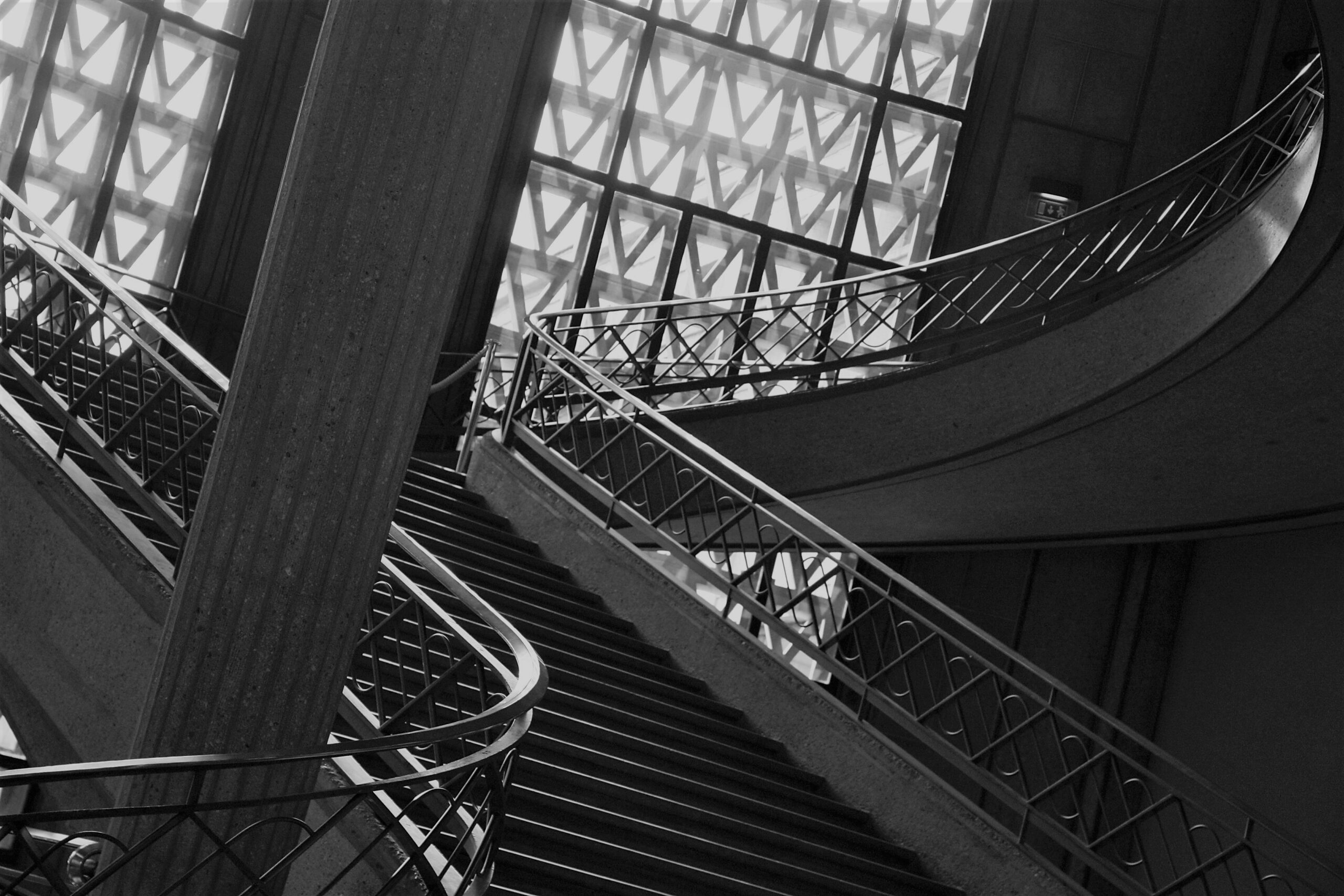
The traditional playbook for luxury shows in Asia often leans heavily on iconic skylines, heritage hotels, or custom-built pavilions on picturesque waterfronts. Chanel pivoted away from these expected tropes by selecting the Hong Kong Design Institute in Tiu Keng Leng. Designed by the French architectural firm Coldefy & Associés, the HKDI campus is an imposing structure characterised by its "white sheet" aerial platform and dramatic glass pillars. It is a working educational facility, a crucible for the city's emerging design talent.
By transforming a vocational and design college into a runway, Chanel made a deliberate statement about pedagogy and creative inheritance. This wasn't merely a venue; it was an active participant in the programme. Alongside the runway presentation, Chanel hosted an exhibition of works by HKDI students, offering a platform for local voices within the heavily curated world of European luxury.
This educational integration is a recurring motif in Chanel’s modern strategy, connecting the brand's formidable artisanal legacy - the Métiers d'Art - with young creatives who will define the future of the industry. The choice of HKDI allowed Chanel to foster a dialogue with Hong Kong’s youth, embedding the brand into the contemporary design landscape rather than hovering above it as an untouchable foreign entity.
Marseille Meets the South China Sea
The Cruise 2024/25 collection, originally conceived by Virginie Viard, was profoundly informed by the maritime culture of Marseille - a city defined by its deep-water port, its sporting heritage, and a certain raw, Mediterranean vitality. Translating that specific Southern French energy to the humid, subtropical density of Hong Kong required a conceptual bridge. Yet, the thematic overlaps were surprisingly potent. Both cities are historic port towns, defined by their relationship to the water and their status as gateways between disparate cultures.
The garments themselves leaned into this aquatic and athletic narrative. The runway featured scuba-inspired hoods, terrycloth textures, and relaxed tailoring that nodded to both the leisure of the Riviera and the utilitarian reality of coastal living. Classic Chanel tweeds were rendered in vibrant, sun-bleached tones of lemon yellow, pistachio, and coral, counterbalanced by stark blacks and whites. Embellishments evoked sea spray and netting, while the silhouettes remained inherently fluid, prioritising movement and ease over rigid formality.
Against the backdrop of the HKDI’s modernist architecture, these marine themes took on a new resonance. The juxtaposition of the collection's relaxed, almost sporty elegance with the hyper-urban setting of Hong Kong highlighted the versatility of the Cruise concept - a wardrobe designed for transit, for crossing borders, and for navigating the shifting climates of a globalised elite.
Cinematic Intersections and "Modern Flirt"
Chanel’s relationship with cinema is foundational, dating back to Gabrielle Chanel’s early costume designs for Hollywood and the French New Wave. In Hong Kong - a city with one of the most legendary film industries in the world - this connection was brought to the forefront. The Cruise 2024/25 event was preceded by a cultural programme that included the premiere of Modern Flirt, a short film directed by the acclaimed French filmmaker Audrey Diwan.
Starring Angela Yuen and Benjamin Voisin, the film explored the fleeting, electrifying connections that can only occur in a breathless metropolis. Diwan captured the neon-drenched, melancholic romance of Hong Kong, paying subtle homage to the visual language of Wong Kar-wai while maintaining a distinctly European sensibility. The cinematic framing served to contextualise the collection within a narrative of urban longing and serendipity.
Furthermore, the brand activated "Radio CHANEL," a broadcasting initiative that gathered artists, musicians, and designers for a series of conversations about the intersection of their disciplines. This multi-disciplinary approach ensured that the fashion show was not an isolated spectacle, but rather a hub of cultural discourse that resonated with Hong Kong's broader cultural ambitions.
A Front Row of Cultural Diplomacy
The gravitational pull of a Chanel show is measured not just in the clothes, but in the specific alchemy of its guest list. For the Hong Kong activation, the house assembled a formidable roster of international and regional ambassadors, effectively bridging the East-West divide. The presence of Penélope Cruz and Caroline de Maigret anchored the event in Chanel’s traditional European glamour, while the arrival of K-pop icon G-Dragon - a long-standing Chanel ambassador whose influence in Asian fashion remains unparalleled - generated a predictable, yet essential, frenzy.
Crucially, the brand paid deep respect to local royalty. The appearance of Chow Yun-Fat, a titan of Hong Kong cinema, provided the event with an undeniable gravitas and a direct link to the city's golden era of film. Alongside him, contemporary figures such as Fala Chen, Whitney Peak, and the Belgian singer Angèle demonstrated the brand's multi-generational and cross-continental appeal.
This specific curation of the front row was an exercise in soft power. By seating global superstars alongside local legends within an educational institute, Chanel created a microcosm of its broader global strategy: globally aspirational, yet sharply attuned to local cultural hierarchies.
The Strategy of Dreaming
Behind the runway theatrics and the celebrity endorsements lies a hard-nosed business reality. The Asia-Pacific region, despite recent economic headwinds and shifting consumer behaviours, remains a critical engine for luxury growth. Hong Kong, in particular, is navigating a complex transition as it seeks to retain its status as a luxury retail hub amidst stiff competition from mainland Chinese cities, Tokyo, and Seoul.
Chanel's decision to stage the Cruise show in Hong Kong was, therefore, a massive vote of confidence in the city's enduring relevance. "For Chanel, we want to give a very strong sign about how important Hong Kong is," Pavlovsky remarked to The Impression, underlining the strategic weight of the event. He further articulated the brand's core philosophy during periods of global uncertainty: "What is important is that as a brand, we continue to create incredible moments, to make people dream."
This concept of "making people dream" is not merely romantic rhetoric; it is the fundamental mechanism of high luxury. In an era where products are ubiquitous and easily replicated, the true value of a brand like Chanel lies in its ability to generate cultural moments that cannot be commodified. The Hong Kong show was designed to do precisely that - to create a spectacle so immersive and culturally resonant that it transcends the simple act of selling clothes.
A Meaningful Resurgence
When the final model exited the runway and the crowds dispersed from the HKDI campus, the lingering impact of Chanel's Cruise 2024/25 show was one of deliberate, thoughtful engagement. It would have been entirely possible for the house to parachute into Hong Kong, erect a temporary venue, host a party, and leave. Instead, the brand chose a path of higher resistance and greater reward.
By integrating with an educational institution, spotlighting local student talent, and commissioning film work that honoured the city's aesthetic legacy, Chanel demonstrated how luxury brands must operate in the modern era. The traditional top-down approach to global fashion is no longer sufficient; relevance is now forged through collaboration, cultural sensitivity, and a genuine investment in the host city's creative ecosystem.
Chanel’s return to Hong Kong was not just about bringing a collection from Marseille to the South China Sea. It was a sophisticated reaffirmation of the city's cultural capital, a strategic investment in its creative future, and a vivid reminder of the enduring, connective power of high fashion.