
Breaking News
-

How to Understand Narrative Perspective in Fiction
To understand narrative perspective, ask two separate questions of any passage: who is speaking, and whose eyes and mind are we seeing through. The first gives you the narrator and the grammatical person (I, you, he or she); the second gives you what critics call focalisation, the filter of perception. Add a third question, how…
-
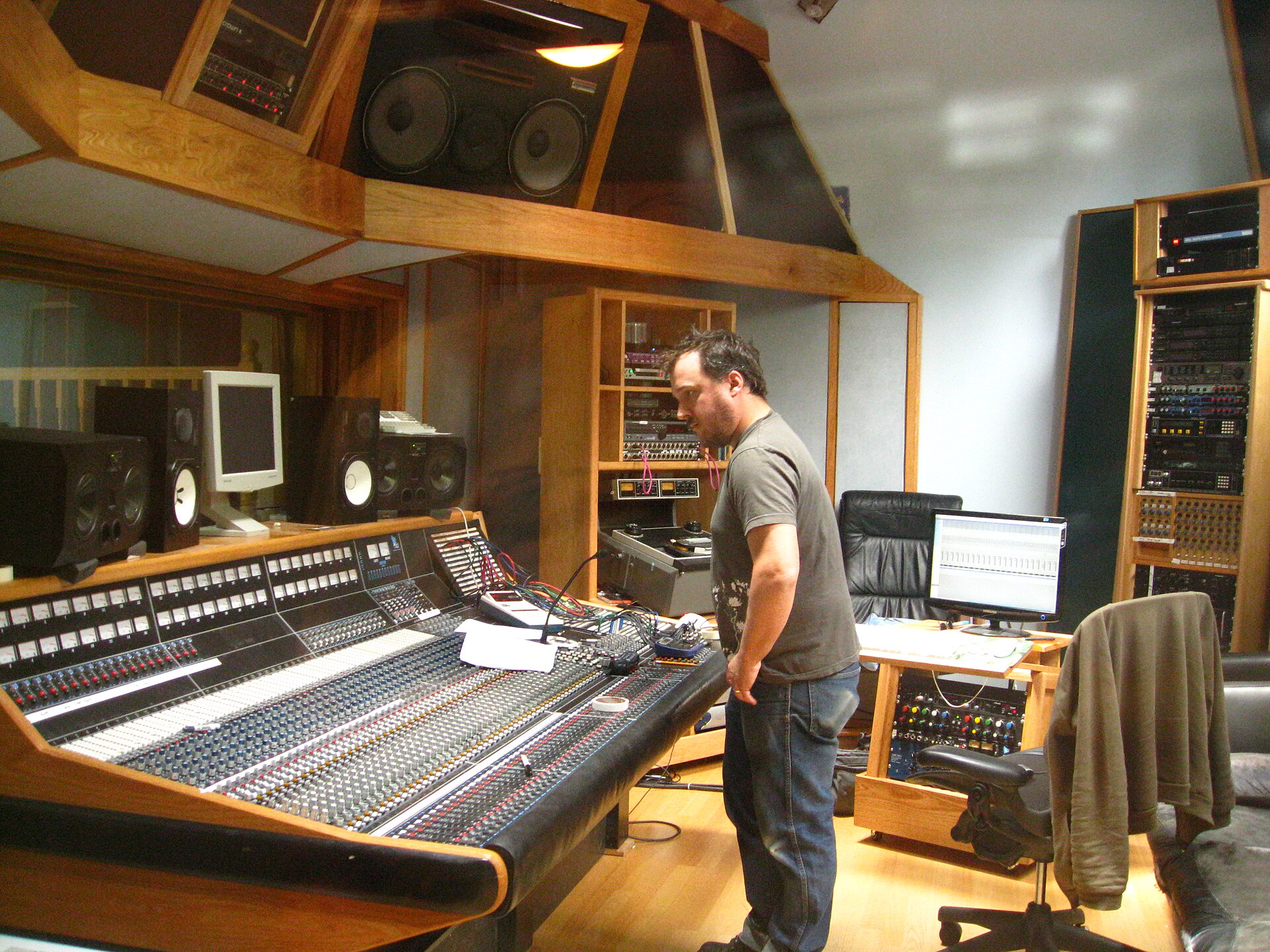
How to Analyze Sound Design in Film
To analyse sound design in film, split the soundtrack into its layers (dialogue, music, effects and ambience), decide whether each sound belongs to the story world or sits outside it, and then ask what each choice makes you notice, feel or imagine that the picture alone would not. The most reliable method is to watch…
-
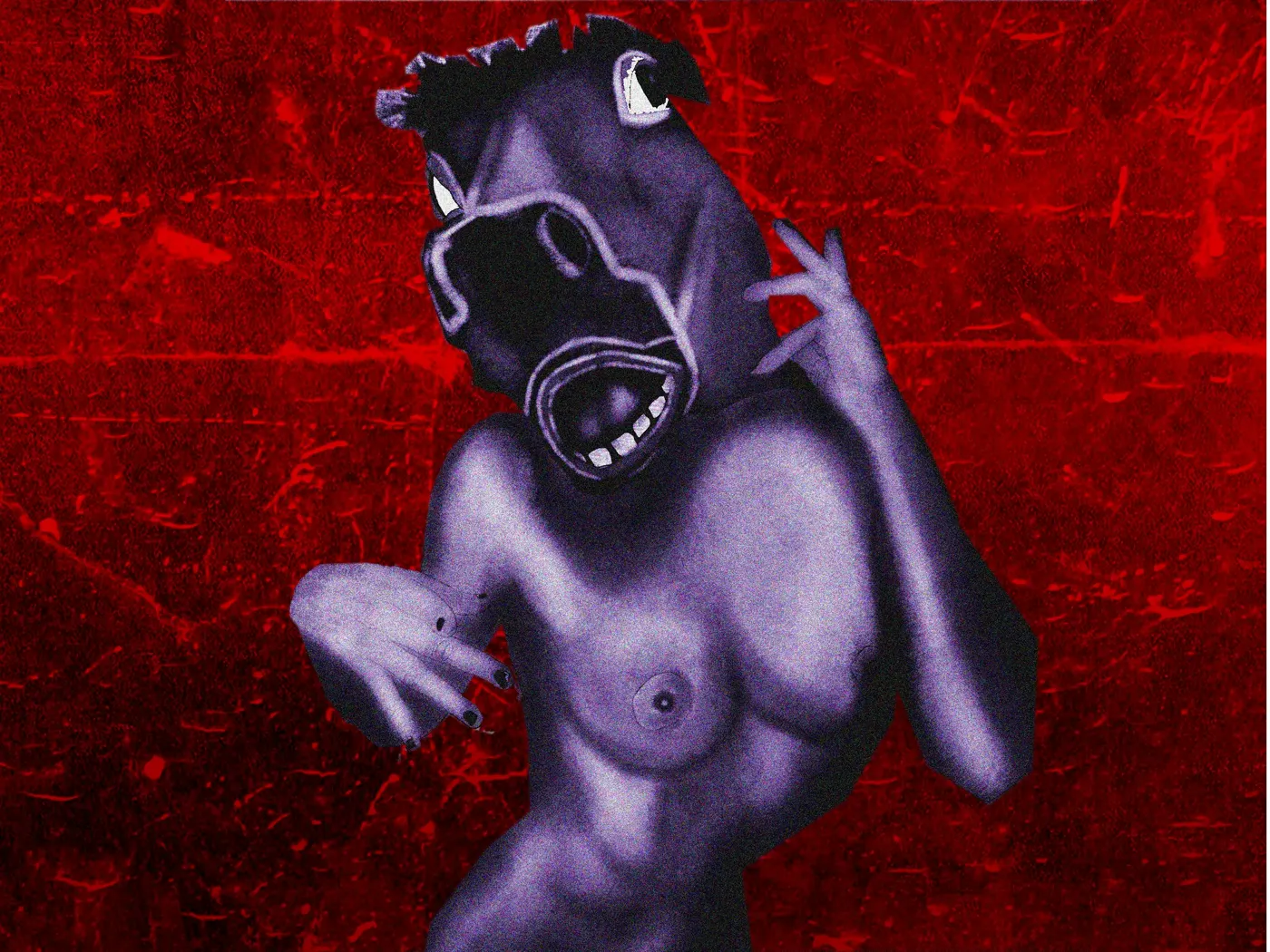
Whom Can We Require to Look Normal?
By İlker Ortaç When we look at a body, we cannot see beyond the idea of normality imposed on us by society. When looking at that body, we keep looking for such things as proportion, symmetry, physical soundness, youth and productivity. As a disabled artist, I can do this too. But this is a reality…
-
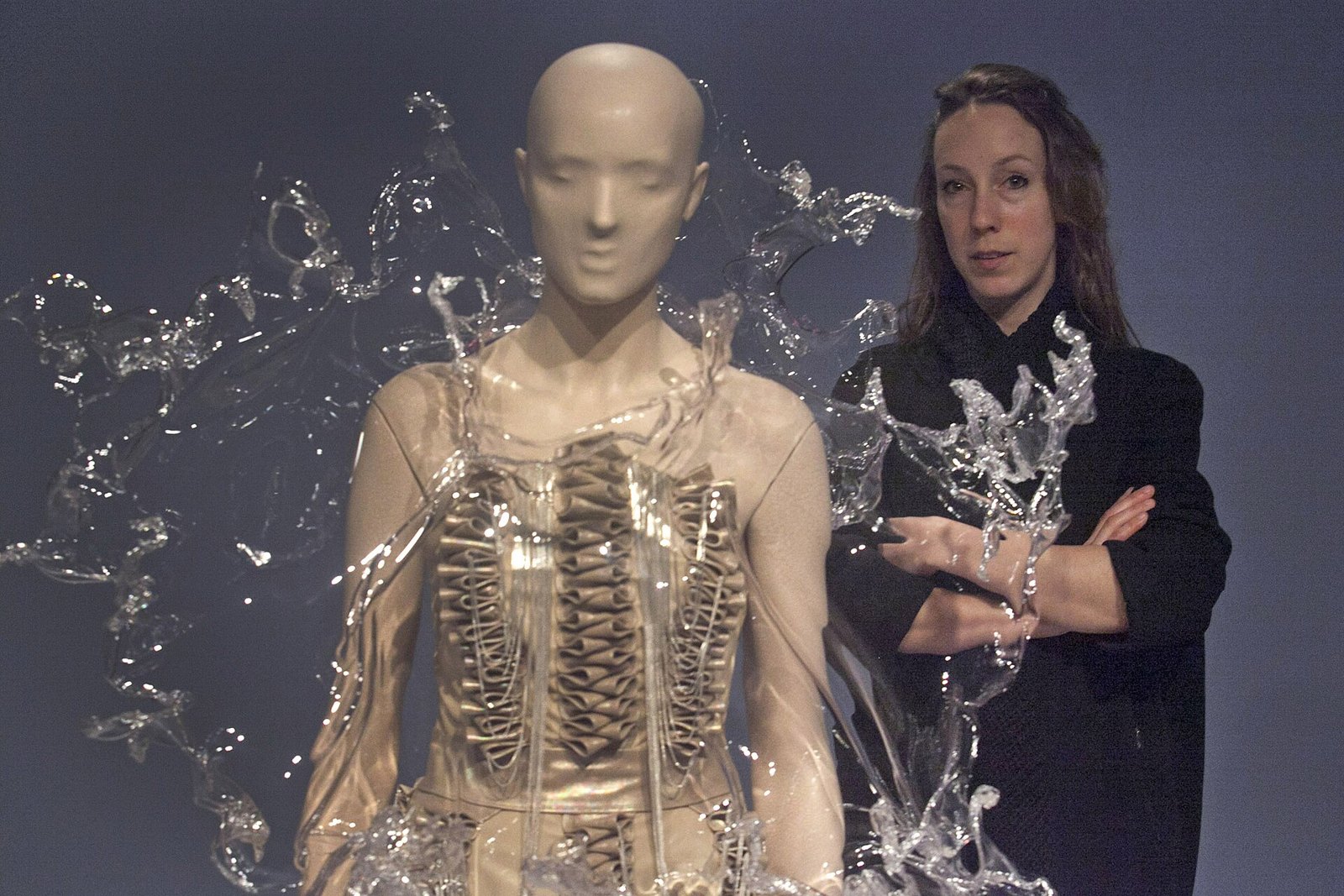
When Are We Going to Stop Deintellectualising Fashion?
Nicole M. Mayer argues that fashion is too often reduced to shopping and excess, and reads three collections by Rahul Mishra, Iris van Herpen and Matthieu Blazy for Chanel as intellectual work.
-

Ryan Blackwell: Lost & Found – Transforming London's Discarded Objects at The Koppel Project
Ahead of the opening of Lost & Found at ANNEX, The Koppel Project, photographer Ryan Blackwell speaks with Maria Bregman about mudlarking on the Thames, an archive of 100 discarded mattresses, and redirecting the visual language of luxury still life.
-

Kimi Zoet: What Is Wild? Opens at Silian Gallery, London
Dutch artist Kimi Zoet presents What Is Wild? at Silian Gallery on King's Road, bringing together large-scale paintings created outdoors in rewilding landscapes with experimental studio works.
-
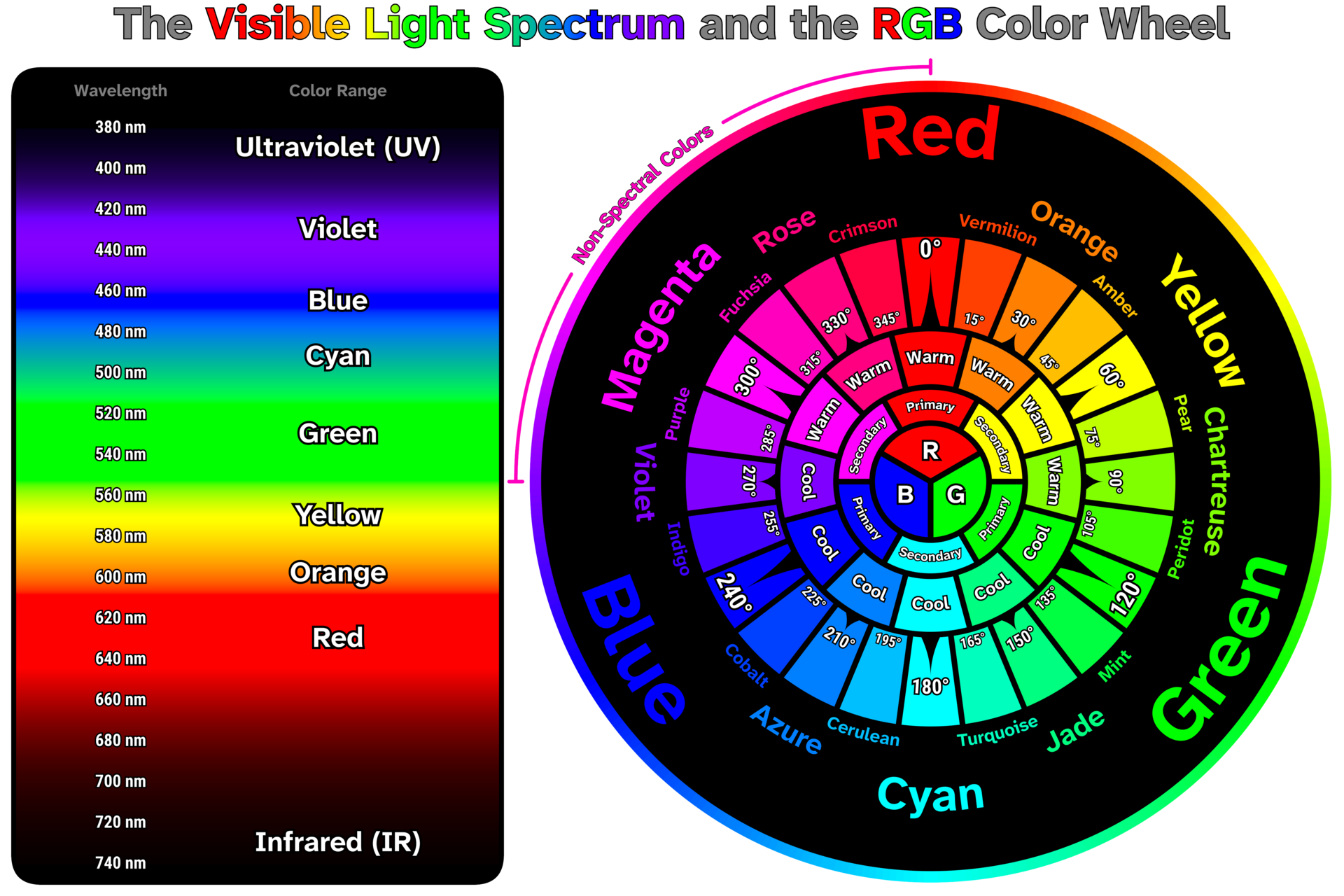
How to Understand Film Colour Grading – What the Grade Does and How to Read It
Film colour grading is the stage of post-production where a colourist and the cinematographer adjust the colour, brightness and contrast of every shot, first so that shots match and then so that the whole film carries a deliberate look. To understand it as a viewer, watch four things: which colours dominate the frame, how deep…
-
The $500 Million Question: What India's Ramayana Blockbuster Is Really Testing
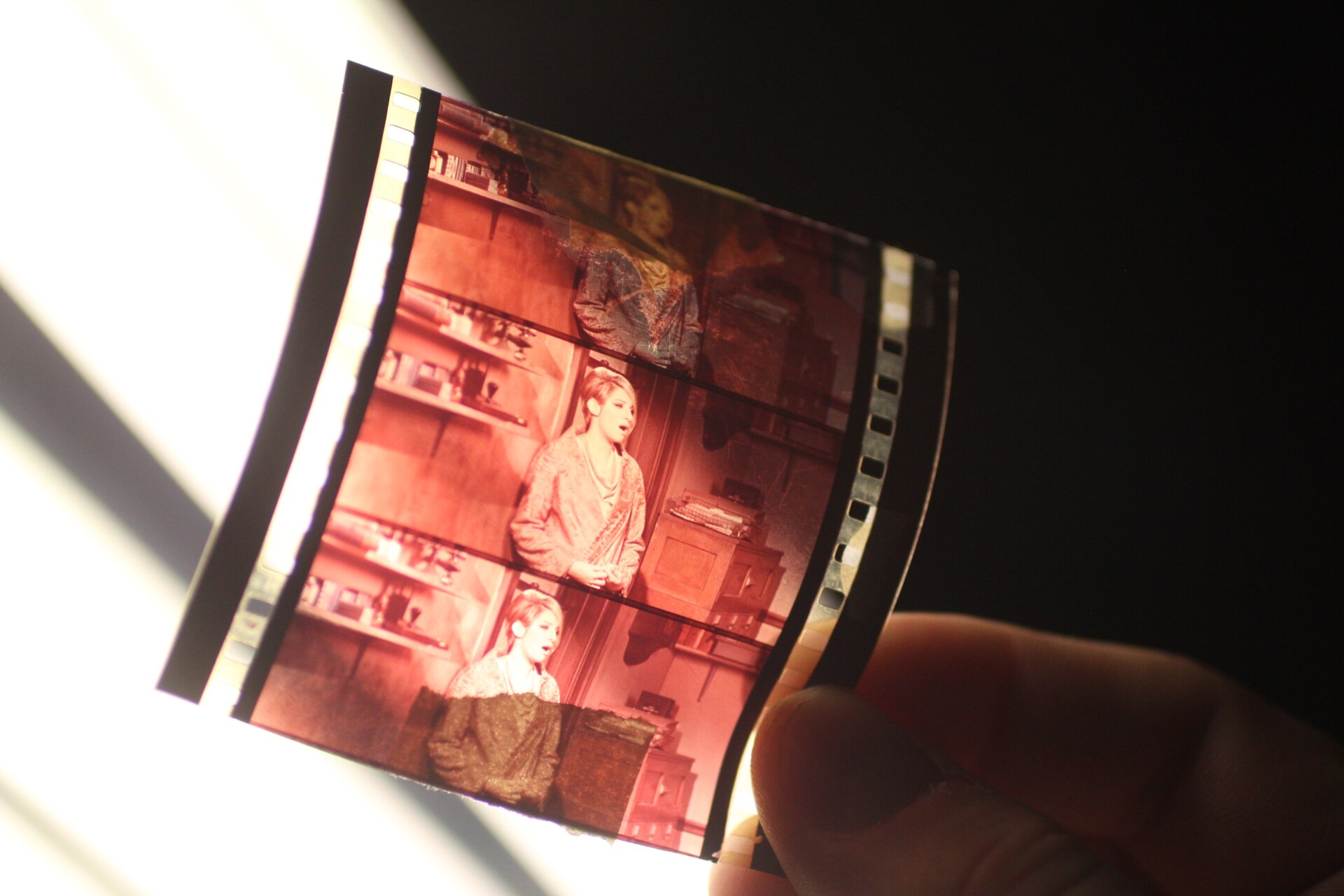
"Ramayana: Rise of a Legend" opened in cinemas on Thursday, days before Diwali, and took more than $55 million worldwide over its opening weekend, including $12.2 million in the United States. Part on
-
How to Review an Album – A Critic's Working Method
To review an album, listen to the whole record several times in the order the artist chose, take notes tied to specific tracks and moments, then write a judgement that a reader can test against the music. The best reviews describe what the record sounds like, explain what it is trying to do, and say…
-
How to Understand Narrative Perspective in Fiction
To understand narrative perspective, ask two separate questions of any passage: who is speaking, and whose eyes and mind are we seeing through. The first gives you the narrator and the grammatical person (I, you, he or she); the second gives you what critics call focalisation, the filter of perception. Add a third question, how far the text lets you trust what you are told, and you have the working toolkit that literary criticism has used since the 1960s. The rest is practice on real pages, and the classics on Project Gutenberg are a free place to start. Narrative perspective…

Maria Bregman
Conributor

Anna Zhila
Contributor

Michael Mittelman
Editor

Yulia Tulegenova
Contributor
Weekly Highlights
See all: How to Understand Narrative Perspective in Fiction-
How to Understand Narrative Perspective in Fiction
To understand narrative perspective, ask two separate questions of any passage: who is speaking, and whose eyes and mind are we seeing through. The first gives you the narrator and the grammatical person (I, you, he or she); the second gives you what critics call focalisation, the filter of perception. Add a third question, how far the text lets you trust what you are told, and you have the working…
-
How to Analyze Sound Design in Film
To analyse sound design in film, split the soundtrack into its layers (dialogue, music, effects and ambience), decide whether each sound belongs to the story world or sits outside it, and then ask what each choice makes you notice, feel or imagine that the picture alone would not. The most reliable method is to watch a short scene several times: once normally, once listening with your eyes closed, and once…
-
Whom Can We Require to Look Normal?
By İlker Ortaç When we look at a body, we cannot see beyond the idea of normality imposed on us by society. When looking at that body, we keep looking for such things as proportion, symmetry, physical soundness, youth and productivity. As a disabled artist, I can do this too. But this is a reality imposed on us by society. Starting from this reality does not mean we can conclude…
-
When Are We Going to Stop Deintellectualising Fashion?
Nicole M. Mayer argues that fashion is too often reduced to shopping and excess, and reads three collections by Rahul Mishra, Iris van Herpen and Matthieu Blazy for Chanel as intellectual work.