Within the ancient cellars of Italy's Emilia-Romagna region, a transformation of almost mystical proportions unfolds. Here, in the hushed darkness of attics and ageing rooms, grape must embarks on a decades-long journey, guided by time, temperature, and the unwavering dedication of artisans. The result is Aceto Balsamico Tradizionale, a condiment so precious, so complex, it transcends mere culinary enhancement, possessing a character that whispers of history with an almost sentient depth. ArtCulture.UK will tell you about this liquid jewel, a testament to patience, tradition, and the profound alchemy that occurs when nature and human craft intertwine. This is not the thin, sharp vinegar that often masquerades under a similar name; this is Modena's true "black gold," a substance revered for centuries.
A legacy of patience
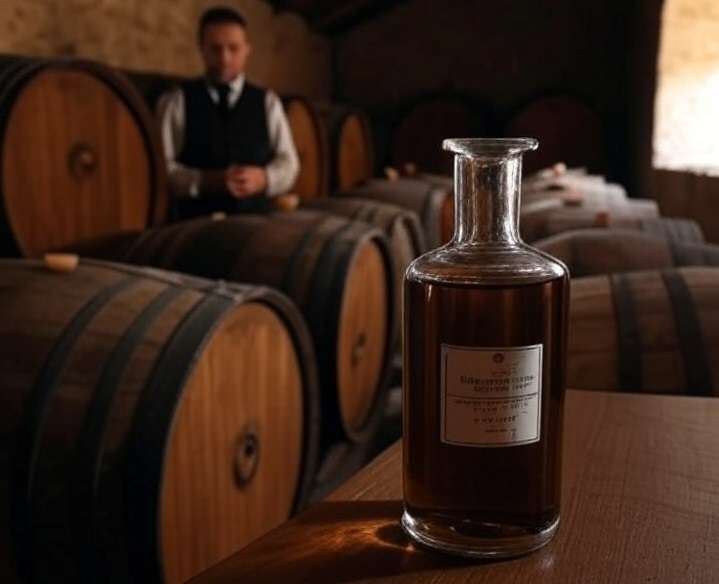
The origins of Traditional Balsamic Vinegar are shrouded in the mists of time, with evidence suggesting its production dates back at least to the Middle Ages, possibly even Roman times. Unlike common wine vinegars, which are produced from wine, Aceto Balsamico Tradizionale di Modena DOP (Protected Designation of Origin) and Aceto Balsamico Tradizionale di Reggio Emilia DOP are born solely from cooked grape must – typically from local Trebbiano or Lambrusco grapes. This cooked must, or mosto cotto, is then introduced to a series of wooden barrels of decreasing size, known as a batteria. This is where the magic truly begins, a slow, meticulous process governed by ancient rules and familial knowledge passed down through generations. Each barrel, crafted from different woods like oak, chestnut, cherry, ash, mulberry, or juniper, imparts its unique character to the developing vinegar.
The slow barrel dance
The batteria is not merely a collection of casks; it is a living, breathing system. Each year, a portion of the vinegar from the smallest barrel (containing the oldest, most concentrated product) is drawn off for use or bottling. This withdrawn amount is then replenished from the next smallest barrel, and so on, up the line, with the largest barrel being topped up with freshly cooked must. This meticulous process of travasi (transfers) and rincalzi (topping up) ensures a continuous cycle of ageing and concentration. The barrels are traditionally kept in the attics (acetaie) of homes, where they are exposed to the seasonal temperature fluctuations of the Modena and Reggio Emilia regions – the hot summers encouraging evaporation and concentration, the cold winters allowing the vinegar to clarify and mature. This natural climatic rhythm is considered essential to developing the vinegar’s signature complexity. It's a process that demands unwavering commitment; a true batteria is often started by one generation with the understanding that its finest product will only be enjoyed by the next, or even the one after that.
Defining true traditionale
The term "balsamic" itself hints at its historical perception as a balm or a restorative tonic. However, the ubiquity of "balsamic vinegar of Modena IGP" (Protected Geographical Indication) on supermarket shelves can be misleading. While IGP balsamic is a perfectly respectable condiment, produced in the Modena region and often containing wine vinegar, caramel colouring, and sometimes thickeners, it is a world away from the stringent requirements and profound depth of Aceto Balsamico Tradizionale DOP.
To earn the coveted DOP status, the vinegar must be produced exclusively from cooked grape must from the designated region, aged for a minimum of 12 years (for Affinato) or 25 years (for Extravecchio) in wooden barrels according to the traditional solera-like system. Crucially, no additives are permitted – no wine vinegar, no caramel, no flavourings. The rich, dark colour and syrupy consistency of Traditional Balsamic Vinegar are entirely natural, achieved through slow evaporation and concentration over many years. Each batch is rigorously tasted and approved by a consortium of master tasters before it can be bottled in the distinctive, globular 100ml bottle designed by Giorgetto Giugiaro, the only legally recognised container for Aceto Balsamico Tradizionale di Modena DOP or the inverted tulip shape for Reggio Emilia.
A symphony of flavours
The tasting experience of a genuine Aceto Balsamico Tradizionale is a revelation. It is a complex tapestry of sweet and sour notes, held in perfect, harmonious balance. The initial impact is often one of intense, yet rounded, acidity, which quickly gives way to a profound sweetness derived from the concentrated grape sugars. Depending on the woods used in the batteria and the specific ageing process, a myriad of nuanced flavours can emerge: notes of ripe fruit, figs, prunes, chocolate, liquorice, vanilla, and the subtle, resinous character of the wood itself. The texture is equally remarkable – viscous, syrupy, coating the palate with a lingering, complex finish. An Extravecchio, with its quarter-century of ageing, achieves an even greater depth and concentration, its flavours melding into an almost indescribable symphony. This is not a vinegar to be splashed liberally over a salad; it is a precious elixir to be used sparingly, a few drops capable of transforming a dish.
Culinary reverence required
The traditional uses of Aceto Balsamico Tradizionale reflect its esteemed status. In Emilia-Romagna, it is often drizzled over chunks of aged Parmigiano-Reggiano cheese, fresh strawberries, or high-quality vanilla ice cream. A few drops can elevate risotto, grilled meats, or even foie gras. The revered pinzimonio, a simple dish of raw vegetables dipped in high-quality olive oil and seasoned, is often finished with a touch of Traditional Balsamic. Some purists even advocate savouring it on its own, sipped from a small ceramic spoon to fully appreciate its intricate flavour profile. The heat of cooking can diminish its delicate aromatics, so it is typically added as a finishing touch. Using such a precious condiment requires a degree of culinary reverence, an understanding that its role is to enhance, not to overwhelm.
Beyond the kitchen walls
The cultural significance of Aceto Balsamico Tradizionale extends far beyond its culinary applications. It is deeply woven into the social fabric of Modena and Reggio Emilia. Families often maintain their own acetaie, some dating back centuries, the barrels passed down as treasured heirlooms. The production of Traditional Balsamic is a source of immense local pride, a symbol of regional identity and a commitment to preserving artisanal traditions in an increasingly homogenised world. The consortia that govern its production play a vital role in upholding these standards, protecting the integrity of this unique product against imitation and ensuring its continued excellence. These consortia not only certify the authenticity but also promote the cultural heritage, often hosting educational tours and tastings.
The process itself is a testament to a different concept of time, one at odds with the instant gratification of modern life. To embark on the creation of a batteria is an act of faith, an investment in the future that requires patience, dedication, and a profound respect for the slow, natural processes of maturation. It embodies a philosophy of craftsmanship where quality is paramount and shortcuts are anathema.
Investing in liquid gold
Given the lengthy ageing process, the meticulous craftsmanship, and the limited production, it is unsurprising that Aceto Balsamico Tradizionale commands a high price. A 100ml bottle of Affinato can cost upwards of £50-£100, while an Extravecchio can easily fetch several hundred pounds, and exceptionally old or rare vintages even more. This places it firmly in the realm of luxury food items. For connoisseurs, however, the price reflects the extraordinary quality and the decades of dedication encapsulated within each bottle. It is an investment in a unique sensory experience and a piece of living culinary history. When purchasing, it is essential to look for the DOP seal and the distinctive bottle shape to ensure authenticity.
The enduring allure of Aceto Balsamico Tradizionale lies in its complexity, its history, and the sheer dedication embedded in its creation. It is a product born of a specific terroir, a unique microclimate, and generations of accumulated wisdom. Each drop tells a story of patience, of seasonal rhythms, and of the transformative power of time. In an era of mass production and fleeting trends, Traditional Balsamic Vinegar stands as a quiet but powerful rebuke, a delicious reminder that some of the finest things in life cannot be rushed, only patiently, lovingly, coaxed into being. It is more than a condiment; it is a cultural artefact, a liquid legacy from the heart of Italy.