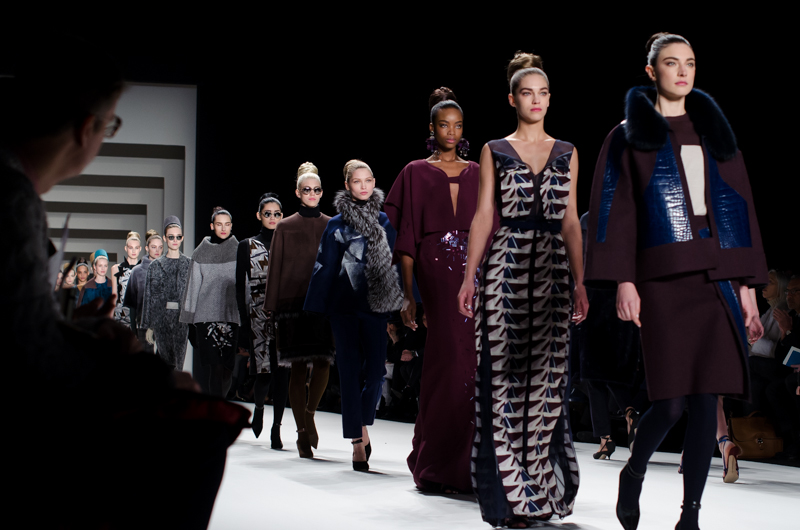
The modern beauty industry is undergoing a profound structural shift. The era of the heavily filtered "Instagram face" - a phenomenon characterised by aggressive contouring, baking, and opaque, impenetrable layers of foundation - is rapidly giving way to a more nuanced, skin-first aesthetic. This transition demands an entirely different kind of practitioner. The contemporary makeup artist is no longer just a technician applying product to conform to a homogenous digital standard; they are required to possess an acute understanding of facial architecture, dermatological health, and advanced colour theory. For Jammu-based makeup artist Himani Dubey, the founder of Himani Makeovers, this multidisciplinary approach is not a hastily learned trend, but rather the bedrock of her entire career.
Dubey’s trajectory into the fiercely competitive world of bridal and editorial beauty is remarkably unorthodox, rooted equally in the expressive freedom of fine art and the rigorous discipline of medical science. By actively merging the tactile sensibilities of a traditional painter with the clinical precision and hygiene standards of a registered nurse, she has carved out a distinct and authoritative space in an oversaturated market. Her approach reflects a much broader cultural movement towards authenticity in beauty, prioritising subtle enhancement over dramatic transformation.
The Canvas and the Clinic: A Multidisciplinary Foundation
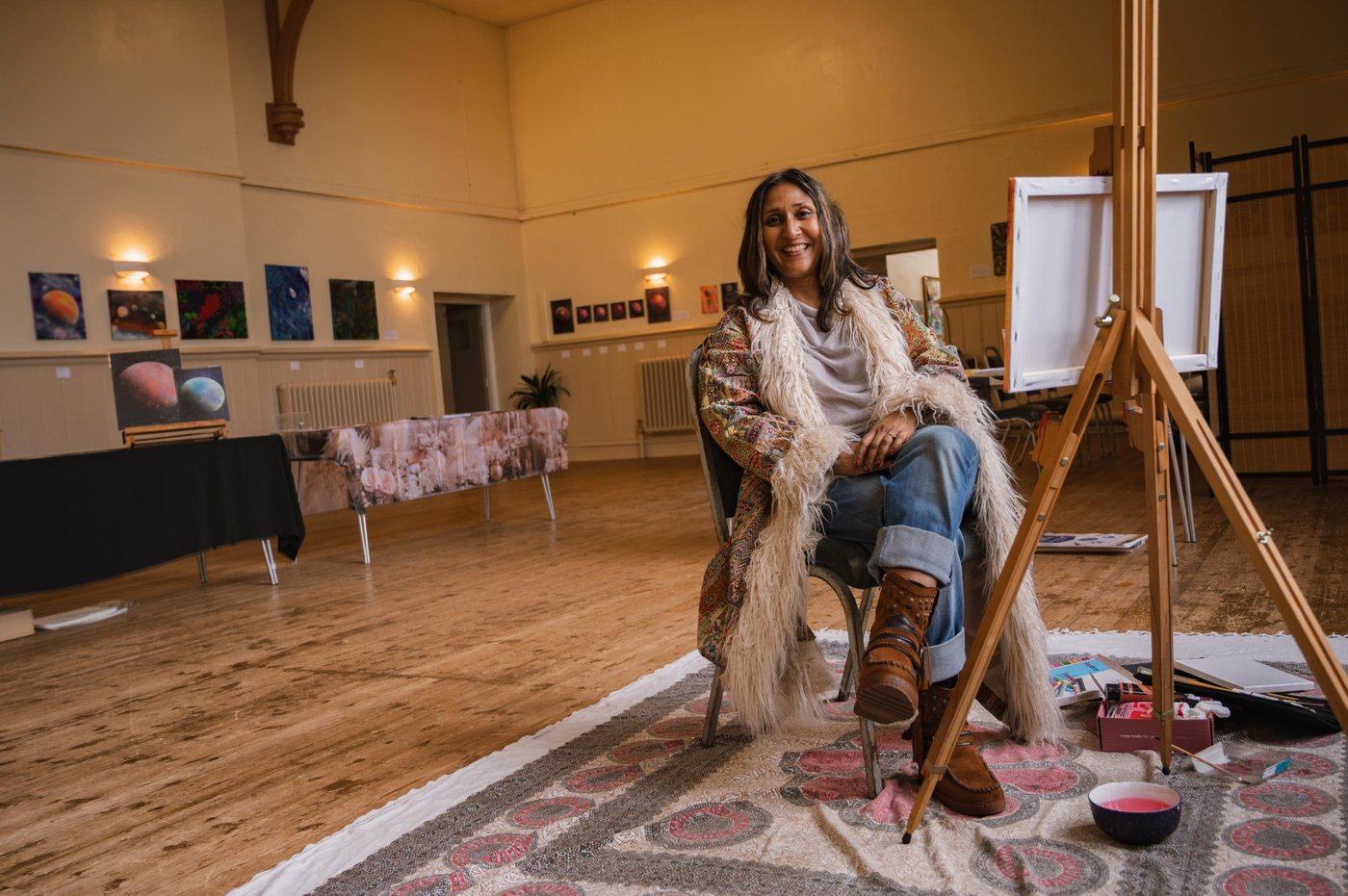
To truly understand Dubey’s methodology, one must look at her earliest developmental influences. Long before she handled high-end cosmetic brushes or mixed custom foundation shades, her primary tools were the pencils, charcoals, and pigments of traditional art. The translation of two-dimensional painting techniques - specifically the understanding of how light falls across a surface, how shadows recede to create depth, and how contrasting colours interact to create harmony - directly informs her three-dimensional work on the human face.
"Since childhood, I have been attracted to art. I always used to paint, make drawings and more," Dubey told Creativitys.UK, tracing the lineage of her aesthetic sensibilities. "I always used to look at my mother for makeup, so after 10th I started a makeup course and followed my passion."
However, her professional education did not stop at aesthetic training. In a striking divergence from the typical beauty industry pathway, Dubey also pursued and achieved qualification as a registered nurse. This medical background provides a rigorous, scientific framework for her artistic practice. In a global beauty industry where sanitation, cross-contamination, and skin health are paramount yet notoriously under-regulated, a formal nursing credential offers an unparalleled level of authority and safety.
Understanding the biological canvas - knowing precisely how different skin types react to various chemical compounds, recognising the importance of stringent hygiene protocols to prevent infection, and understanding the physiological impact of environmental stress on the skin barrier - gives her a significant technical advantage over peers who lack clinical training. She currently continues to practice both professions, demonstrating a dual commitment to physical health and outward creative expression. This rare synthesis of the clinical and the creative ensures that her cosmetic applications do not compromise the integrity of the client's skin.
Overcoming Cultural Friction and Building a Brand
Entering the professional beauty sector in 2017, Dubey faced the initial friction that frequently accompanies creative career choices in traditional environments. The decision to pursue makeup artistry professionally, rather than maintaining it as a mere hobby, was initially met with skepticism from extended family members who questioned the long-term viability and financial respectability of the field.
"Because of my family’s support, I have had very few problems by following my passion," Dubey recalled in her interview with Creativitys.UK. "She [my mother] was very supportive when I started but when I started the course, my relatives told me that it will not be of any benefit to me but my family stuck to me and all the problems get solved easily."
This dynamic highlights a familiar tension for emerging creatives navigating familial and societal expectations, particularly in regions where conventional professions are heavily favoured over the arts. Yet, the immediate, unwavering support of her core family unit provided the psychological safety net required to launch Himani Makeovers.
Establishing a robust business in the beauty sector requires substantially more than just technical skill; it demands formidable entrepreneurial resilience. Building client trust, particularly in the high-stakes, emotionally charged arena of Indian bridal makeup, is a slow, deliberate, and highly scrutinised process. Clients are not merely purchasing a transient service; they are entrusting an artist with their permanent photographic legacy on one of the most significant days of their lives. Dubey’s gradual accumulation of a loyal, referral-based client base in Jammu underscores the immense importance of client management, consistency, and professional reliability in overcoming those initial business hurdles.
The Shift Toward the "Skin-First" Aesthetic
The aesthetic philosophy underpinning Himani Makeovers is distinctly aligned with the current global trajectory of beauty. Across international runways and red carpets, we are witnessing a definitive, conscious move away from the masked, hyper-perfected looks that dominated the mid-2010s. Today, the vanguard of makeup artistry champions a "skin-first" approach. The ultimate goal is to create a luminous, breathable finish that looks indistinguishable from naturally flawless, healthy skin - an illusion that is famously difficult to execute.
"I like the natural subtle kind of base very much," Dubey explained to Creativitys.UK, articulating her firm rejection of outdated, heavy-handed techniques. "But I don't like it when people do patchy and extra layering of make-up when there is no need on their face. I like the nude looks today very much. I like the way many celebrities are flaunting their natural beauty these days."
Achieving this "effortless" natural look is, paradoxically, a highly technical endeavour. It requires a meticulous, almost scientific curation of products, rigorous skin preparation, and an incredibly light, precise hand. To construct these subtle bases, Dubey relies on a mixture of prestige national and international brands, citing Rare Beauty, Charlotte Tilbury, Estée Lauder, Dior, and Huda Beauty among her essential, heavily researched kit.
These brands are notably celebrated within the industry for their advanced formulations - weightless serum foundations, liquid blushes that melt seamlessly into the lipid barrier of the skin, and finely milled translucent powders that blur pores without caking or settling into fine lines. By utilizing this high-performance chemistry, Dubey creates longevity and photographic perfection without the suffocating weight. This approach perfectly captures the contemporary desire for radiant minimalism, a stylistic shift extensively documented in ongoing critical discussions around modern fashion aesthetics.
Navigating the Digital Age of Beauty
In the contemporary professional landscape, a makeup artist's digital footprint is every bit as critical as their physical portfolio. The democratisation of the beauty industry, facilitated primarily through highly visual platforms like Instagram, has significantly lowered the barrier to entry. This has resulted in an intensely saturated market where visibility is a constant battle. To remain relevant, profitable, and top-of-mind, modern practitioners must be as adept at digital marketing, algorithmic understanding, and content creation as they are at colour correction.
Operating under the handle @himani___makeovers, Dubey utilizes social media not merely as a static gallery of past work, but as a dynamic, interactive client acquisition tool.
"I have posted my work on the social media handle because so many people connected and got a lot of response from it," she noted to Creativitys.UK. "I have liked that many brides have seen the makeup of their choice and have done it. So there will be a positive response that I have been getting."
The platform serves a vital dual purpose: it acts as a visual contract for prospective clients, setting clear expectations of her aesthetic range, and functions as a direct feedback loop for the artist. However, Dubey acutely recognises that social media is also a rapidly shifting, often volatile educational terrain. The contouring techniques that trend today may be deemed obsolete by next season. To combat this rapid cycle of obsolescence, she actively invests in continuous, formal education.
"Mainly, I take international or national master classes to keep myself updated about the industry and social media is the best platform which provides main updates about new trends," she stated.
This unwavering commitment to continuous, high-level learning is precisely what separates ephemeral internet fame from a sustainable, long-term career. It requires an analytical approach to culture and trends, deciphering which viral techniques have genuine, real-world applicability on everyday clients, and which are merely performative algorithmic noise designed solely for the camera.
The Psychology of the Chair: Managing Pressure
The multifaceted role of a makeup artist extends far beyond the physical application of cosmetics. The makeup chair is a highly intimate, psychologically complex space, very often occupied by clients experiencing intense stress, anxiety, or emotional vulnerability. In the specific context of bridal makeup, the artist is frequently the final point of calm - the last person the client interacts with closely before stepping into a major, highly scrutinised public event.
Managing this delicate emotional environment, alongside the immense pressure of executing flawless, photographic work under tight time constraints, requires significant psychological fortitude and emotional intelligence. Dubey is highly cognisant of the competitive stress and burnout inherent in her chosen profession.
Her coping mechanisms are deliberate, structured, and entirely necessary for long-term career survival. "To get rid of this stress, I do meditation and have confidence in myself which helps me to deal with it. And of course my family which helps me to regain my strength and boost my confidence," she explained. This holistic approach to mental health and stress management is crucial in an industry that routinely demands weekend work, early morning call times, and the constant navigation of diverse client personalities.
The Anatomy of Longevity in Artistry
When asked to distil the absolute core requirements for survival and success in her field, Dubey’s response was refreshingly pragmatic, systematically stripping away the superficial glamour that is so often associated with the beauty industry.
"I think the main qualities a makeup artist should have are skills, consistency, and a lot of patience," she noted in her Creativitys.UK interview.
She explicitly warned emerging artists against the toxic expectation of immediate success, an illusion frequently driven by the myth of overnight social media virality.
"Because you think you will learn and get a lot of clients, that is not the case, we have to create clients in which there will be a lot of ups and downs so it is very important to show your upside," she cautioned. "You should have to post regularly on social platforms to get a reach that will help you to grow and be real."
This realistic, grounded assessment of the entrepreneurial grind reflects a highly mature understanding of her craft as a serious business entity. It requires the immense resilience to weather inevitable dry periods, the strict discipline to maintain high-quality output when motivation wanes, and the emotional intelligence to build lasting, trust-based client relationships that translate into repeat business and organic referrals.
Himani Dubey’s compelling journey - from a childhood painter to a clinically trained registered nurse, and ultimately to a highly sought-after professional makeup artist - brilliantly illustrates the increasingly interdisciplinary nature of contemporary beauty. It is a demanding field that actively rewards those who can successfully merge technical proficiency with authentic artistic vision and relentless entrepreneurial grit. By firmly grounding her daily practice in a comprehensive understanding of both the physiological reality of the skin and the complex psychological needs of her clients, she elevates makeup from a routine cosmetic application to a structured, deliberate art form. Through it all, she remains steadfastly tethered to the belief that true artistry lies not in aggressively obscuring the face, but in skilfully revealing the most radiant, authentic version of the individual beneath.