By Yulia Tulegenova
Why We Cling to "Helpfull"
There is a small, and seemingly insignificant, mistake that haunts the English language. It is a mistake that is made every day, in emails, in text messages, in the quiet, hurried corners of our digital lives. It is the addition of a single, superfluous letter to the end of a very common word. It is the act of writing "helpfull" instead of "helpful."
On the surface, this is a simple spelling error, a minor and forgivable slip of the finger. But as a curator of the strange, and often beautiful, ways in which we use language, I have come to see it as something more. It is a ghost in the machine. It is a typo with a soul. And in its very wrongness, it reveals a profound and subtle truth about the anxieties of our modern world.
The Logic of the Mistake
Let us begin with the facts, as the dictionaries would have them. "Helpful" is the correct spelling. The suffix "-ful," which means "full of," is, by a strange and ancient quirk of the language, spelled with a single "l." And so, to be helpful is to be full of help. The logic is clear, if a little counter-intuitive.
"Helpfull," on the other hand, is a mistake. It is a non-standard spelling, a ghost word that has no official place in the English language. And yet, it persists. It is, I would argue, one of the most common and most stubborn spelling errors in the language. And the reason for this is not ignorance. It is a kind of hyper-correction. It is a mistake that is born from a deep, and entirely understandable, desire for the language to be more logical, more consistent, than it actually is.
The person who writes "helpfull" is not being lazy. They are, in fact, thinking too much. They are looking at the word "helpful," and they are seeing the ghost of the word "full" within it. And they are, quite logically, assuming that if to be helpful is to be "full of help," then surely, the word should be spelled with the same double "l" as the word "full." It is a mistake that is born from a desire for the language to make sense, to follow its own rules. It is a beautiful, and entirely human, piece of folk etymology.
The Weight of a Single Letter
But I believe there is a deeper, and more interesting, reason for the persistence of this particular typo. I believe it is a symptom of a kind of modern, linguistic anxiety. It is a reflection of the immense pressure we feel to be not just helpful, but exceptionally helpful, abundantly helpful, overflowingly helpful.
The single "l" in "helpful" feels, in a sense, a little understated. It is a word of quiet, gentle assistance. It is the act of holding a door open, of offering a kind word, of giving someone a hand with their groceries. It is a word of humble, human-scale kindness.
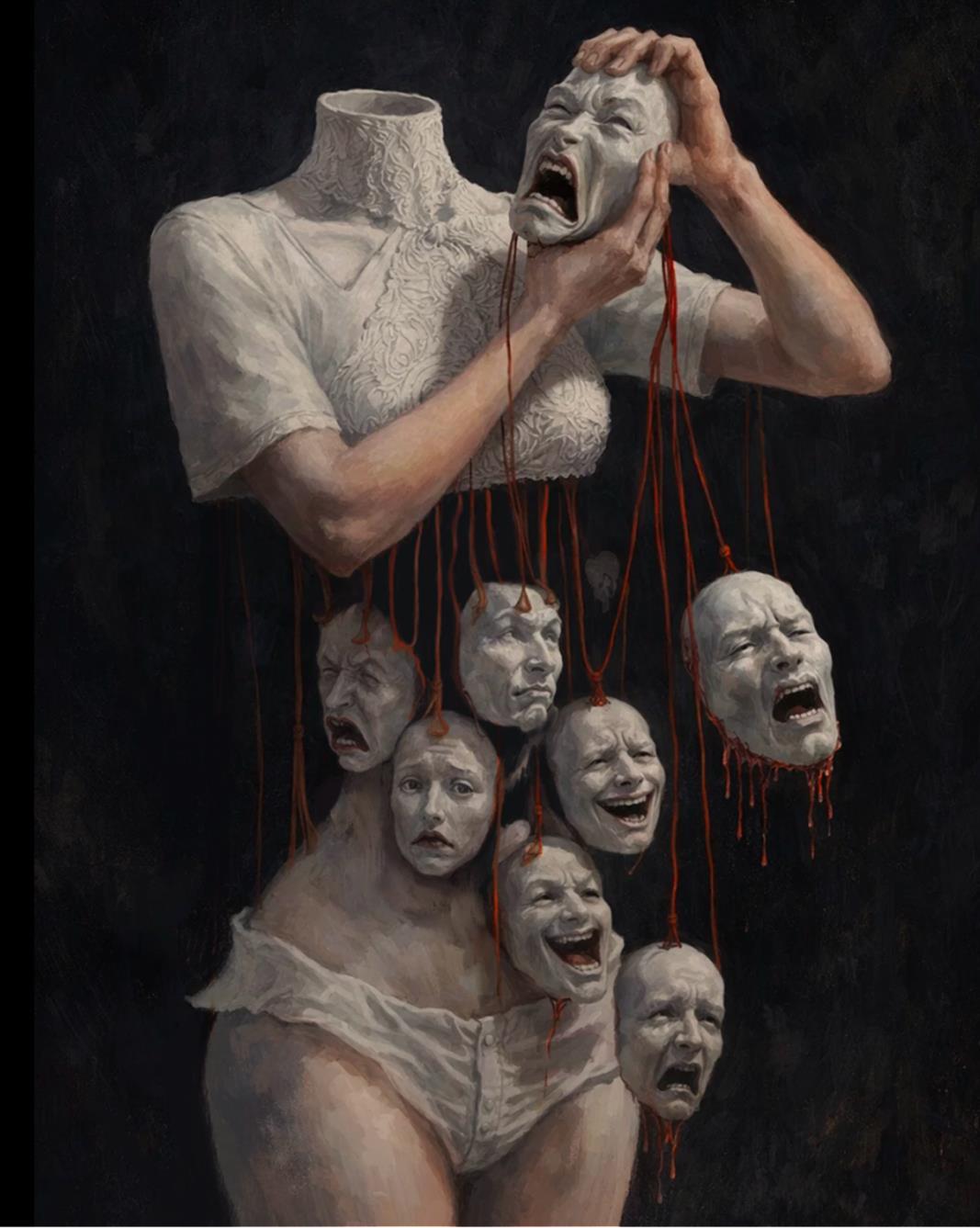
But the double "l" in "helpfull" feels different. It feels bigger. It feels more intense. It suggests a kind of overwhelming, almost desperate, desire to be of service. It is the word of a person who is not just helpful, but is trying, with every fibre of their being, to be seen as helpful. It is the typo of the over-achiever, of the people-pleaser, of the person who is terrified of not being useful enough.
In an age where our value is so often measured by our productivity, by our ability to contribute, by our willingness to go above and beyond, the misspelling of "helpful" is a small, and deeply poignant, reflection of this collective anxiety. We are not just trying to be helpful. We are trying to be full of help, to the point of overflowing. And in our haste, in our anxiety, in our desperate desire to be seen as valuable, we add that extra "l," a small, silent testament to the weight of our own good intentions.
A Language of the Heart
A language is not just a set of rules. It is a living, breathing thing, a collective act of creation that is shaped, and reshaped, by the emotional needs of its speakers. And sometimes, we need a word that is not just correct, but that feels correct.
The ghost word "helpfull" is a beautiful example of this. It is a word that has been willed into existence by a collective, and largely unconscious, desire for a term that can capture the intensity of our own, often fraught, relationship with the idea of helpfulness. It may be a mistake. But it is a mistake that is full of meaning.
So, the next time you see someone write "helpfull," do not be so quick to judge them. They may be a bad speller. Or they may be a poet. They may be, in their own, small, and beautifully incorrect way, trying to express a truth about the world, and about themselves, for which the correct words are not quite adequate. They are not just making a mistake. They are making the language their own. And in that small, and deeply human, act of rebellion, we can see the ghost in the typo, the beautiful, and necessary, soul of a language that is still, and always will be, gloriously, and thrillingly, alive.