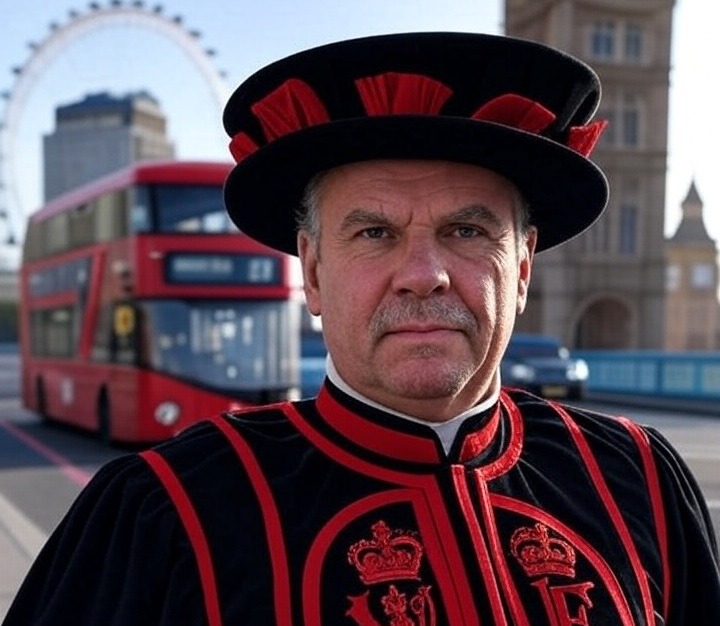
For generations, the very name ‘London’ has conjured a powerful and immediate set of images: the stoic silhouette of a Beefeater at the Tower, the cheerful red of a double-decker bus navigating Parliament Square, the chime of Big Ben marking time over a city steeped in history and pulsing with modernity. It is a brand as potent as any, a global epicentre of culture, finance, and royalty. Yet, listen closely past the rumble of the Tube and the clamour of the West End. The very cobblestones seem to possess a sentience, whispering of a subtle but profound change in the air. A new narrative is taking shape, one that questions the city's unassailable position at the top of the global travel itinerary. ArtCulture.UK will tell you about the subtle yet seismic shifts recasting London's tourism landscape.
An undisputed global icon
London's magnetism has long been built on a formidable and multi-faceted appeal. It is a city where one can traverse centuries in a single afternoon, from the Roman walls near Tower Hill to the glass-and-steel shards of the financial district. For the international visitor, it offered a unique proposition: a gateway to Europe that was both foreign and familiar, thanks to the English language. Its cultural offerings are, without exaggeration, unparalleled. The hallowed halls of the British Museum and the National Gallery offer priceless artefacts for free, while the stages of the West End present the pinnacle of theatrical performance. The city’s identity is a masterclass in branding, from the iconic Underground roundel to the pomp and pageantry of the monarchy, events like the recent Coronation acting as a global marketing campaign of immense power. This meticulously cultivated image has ensured a steady, lucrative stream of international visitors, making tourism a vital artery of the London economy.
The post-Brexit chill
The United Kingdom's departure from the European Union has introduced a new layer of complexity to this once-seamless travel experience. The end of free movement has not only reshaped trade and politics but has also erected subtle yet significant barriers for tourism. For European school groups, a traditional mainstay of London’s off-peak visitor numbers, the introduction of passport requirements over national ID cards has created an administrative and financial hurdle that many schools now choose to bypass in favour of Dublin, Amsterdam, or Berlin. This isn't merely a bureaucratic shift; it's a psychological one. The perception of the UK, and by extension London, has altered. What was once seen as an effortlessly accessible neighbour now feels more distant, more complicated. There is a palpable friction that wasn't there before, a sense among many Europeans that the welcome mat is no longer quite so prominently displayed, affecting the flow of international visitors.
A city of high costs
Beyond the political climate, a more immediate and tangible deterrent is London's precipitous cost. The city has always been expensive, but the UK’s current cost-of-living crisis has pushed prices to a level that is becoming prohibitive for many. A simple pint of beer can now approach £8 in central London, a casual lunch can easily exceed £25, and hotel rates have soared to eye-watering levels. For a family of four from Italy or Spain, a week-long trip to London can now cost significantly more than a comparable holiday in Lisbon or Prague. The modern traveller is digitally savvy and hyper-aware of value. They can see their euros, dollars, or yen stretching considerably further in other European capitals that offer their own rich tapestry of history, culture, and, crucially, affordability. The steep cost of visiting London is no longer just a grumble; it's a key factor in decision-making, leading to a noticeable tourism decline among budget-conscious travellers.
The hunt for authenticity
There is also a deeper, more philosophical shift occurring in travel trends. The new generation of travellers is often less interested in the ‘checklist’ tourism of the past - a photograph outside Buckingham Palace, a quick ride on the London Eye. They are searching for authenticity, for immersive experiences that offer a genuine sense of place. While London has this in abundance - from the vibrant street art of Shoreditch to the culinary melting pot of Brixton Market - the city’s official tourism narrative often remains tethered to its more traditional, almost theme-park-like attractions. There's a growing disconnect between the polished, historical London sold on postcards and the dynamic, multicultural, and sometimes gritty reality that many contemporary visitors crave. Cities like Berlin, with its raw creative energy, or Lisbon, with its bohemian charm and seaside accessibility, are proving more adept at marketing this sense of authentic discovery, siphoning off a segment of the market that London once took for granted.
Europe’s rising stars beckon
For decades, London was the default starting point for many non-European tourists exploring the continent. It was the Anglophone anchor before a deeper dive into Europe. This is no longer the case. The rise of budget airlines and the proliferation of digital travel resources have democratised European travel. A student from North America might now fly directly to Budapest to experience its ruin bars, or a family from Asia might choose Copenhagen for its design-led, family-friendly atmosphere. The competition is fiercer than ever. London is no longer competing on its own terms; it is one of a panoply of glittering options. This has a direct impact on the UK travel sector, forcing a re-evaluation of what makes London unique and compelling in a crowded and highly competitive marketplace.
Whispers on the West End
This shift is not just visible in statistics; it can be felt on the ground. Speak to a black-cab driver, and they might chunter about the quietness of mid-week traffic, once bolstered by business travellers and tourists. A manager of a boutique hotel in Notting Hill might confide that while weekend occupancy remains strong, the lucrative four- or five-night stays from European visitors are becoming less frequent. Even in the theatre district, there is a sense of unease. While blockbuster shows continue to draw crowds, there is a worry that the ecosystem of restaurants, bars, and shops that rely on pre- and post-theatre spending is feeling the pinch from shorter stays and tighter budgets. These are not cries of panic, but rather the low murmur of concern from those on the front line of the city’s visitor economy, who are witnessing firsthand a change in the character and quantity of London tourism.
Reimagining the London brand
To suggest that London's appeal is collapsing would be a gross overstatement. The city's cultural and historical gravity is immense and enduring. However, to ignore these shifting sands would be a grave mistake. The city is at an inflection point, requiring a strategic pivot to address these new realities. The recent success of the Elizabeth Line demonstrates a commitment to improving infrastructure, but the challenge is more about perception and value. This means looking beyond the traditional landmarks and more effectively marketing the vibrant, diverse experiences found in the city’s outer boroughs. It requires a more concerted effort to streamline UK visa issues for key markets and to find creative ways to mitigate the high-cost perception, perhaps through city-wide passes or partnerships that enhance value. The future of London's tourism success will depend on its ability to evolve its narrative - to prove that it is not just a museum of a glorious past, but a dynamic, welcoming, and accessible hub for the future. It must remind the world that while other cities offer their own unique charms, the depth, diversity, and sheer energy of London remain an experience without equal.