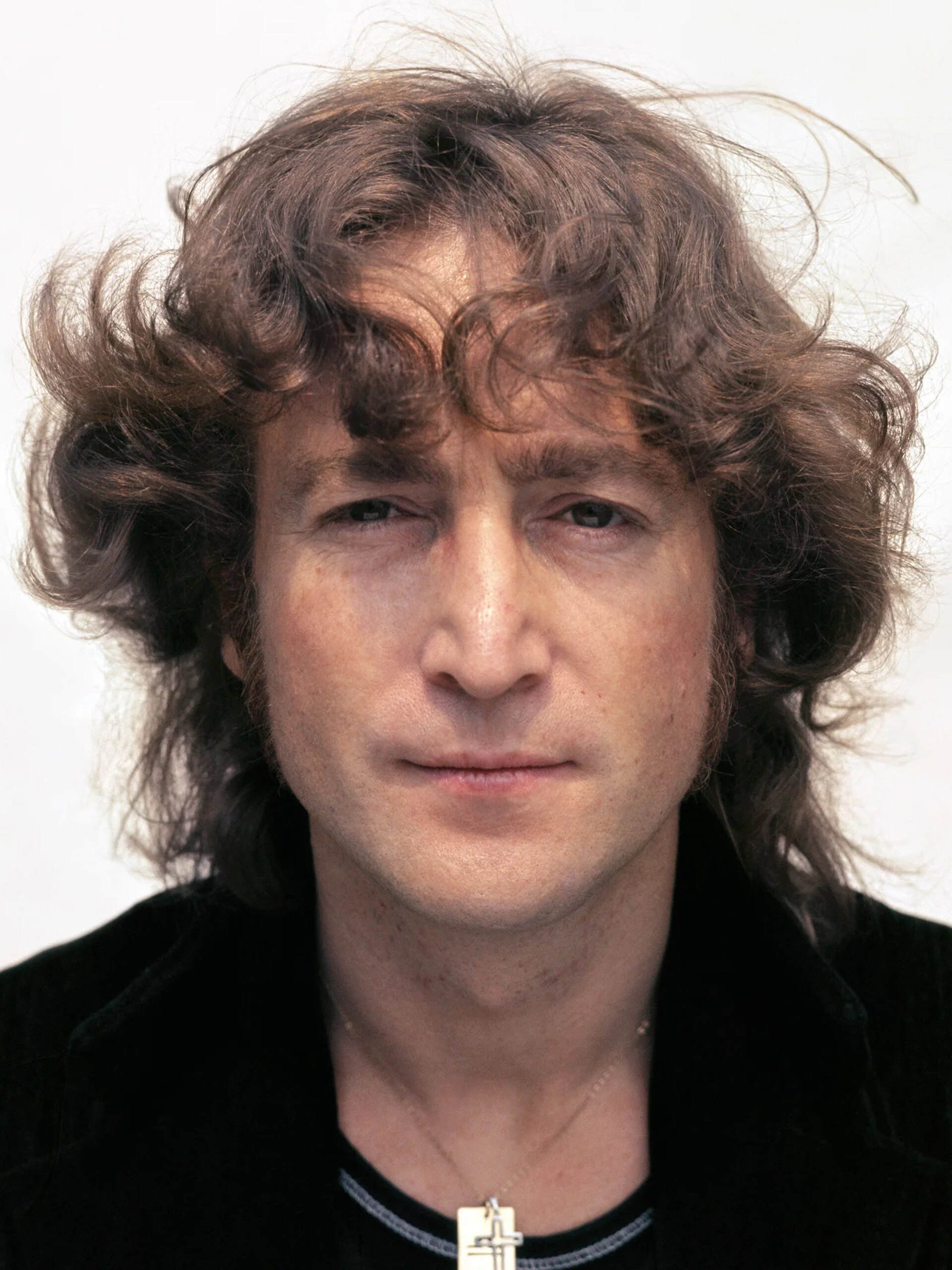
The partnership between John Lennon and Yoko Ono - romantic, artistic, and political - was one of the most significant and controversial creative collaborations of the twentieth century. Their relationship challenged conventional boundaries between art and life, music and performance, personal expression and political action, and it transformed the cultural landscape in ways that continue to resonate.
The Meeting
Lennon and Ono met in November 1966, at the Indica Gallery in London, where Ono was exhibiting her conceptual art. Lennon, still a member of the Beatles, was intrigued by Ono’s work - particularly a ladder that led to a canvas with the word “YES” written on it. The encounter initiated a relationship that would change both their lives and the trajectory of popular culture.
Ono’s influence on Lennon was immediate and profound. She introduced him to conceptual art, avant-garde music, and political activism, broadening his creative horizons beyond the constraints of pop music. Lennon, in turn, provided Ono with a platform that enabled her work to reach audiences far beyond the art world.
The Art
Lennon and Ono’s collaborative art was characterised by its directness, its political engagement, and its willingness to challenge social conventions. Their “Bed-Ins” (1969) - in which they stayed in bed for a week, inviting the media to discuss peace - were both a protest against the Vietnam War and a commentary on the nature of celebrity, media, and public protest.
Their musical collaborations - albums like Unfinished Music No. 1: Two Virgins (1968), Life with the Lions (1969), and Wedding Album (1969) - were experimental works that challenged the conventions of popular music. These albums were not commercially successful, but they demonstrated the couple’s commitment to using their creative partnership as a vehicle for artistic experimentation and political expression.
The Controversy
The Lennon-Ono partnership attracted persistent controversy. Ono was widely blamed for the breakup of the Beatles - a narrative that reflected both misogyny and racism, as Ono was a Japanese woman entering a male-dominated, predominantly white cultural space. The criticism was often vicious and personal, and it obscured the reality that the Beatles’ dissolution was the result of multiple factors, including musical differences, business disputes, and the natural evolution of individual careers.
The controversy surrounding Ono also reflected broader cultural anxieties about the relationship between art and life. Lennon’s decision to prioritise his relationship with Ono over his commitment to the Beatles was interpreted as a betrayal by many fans - a perception that revealed the possessive relationship that audiences felt with their cultural heroes.
The Legacy
The Lennon-Ono partnership’s legacy is visible in several dimensions:
Artistic collaboration. Their work demonstrated that creative partnerships could transcend conventional boundaries, producing work that was more ambitious and more challenging than either partner could have achieved alone.
Political activism. Their peace activism - particularly the Bed-Ins and the “War Is Over” campaign - established a model for celebrity activism that has been adopted and adapted by subsequent generations of artists.
Cultural criticism. The controversies surrounding their partnership revealed the cultural assumptions - about gender, race, and the relationship between artist and audience - that shape how creative work is received and valued.
For readers interested in the broader history of creative partnerships, our analysis of famous artistic duos provides additional context. Those exploring Lennon’s specific contributions may also appreciate our feature on the Beatles’ cultural legacy.