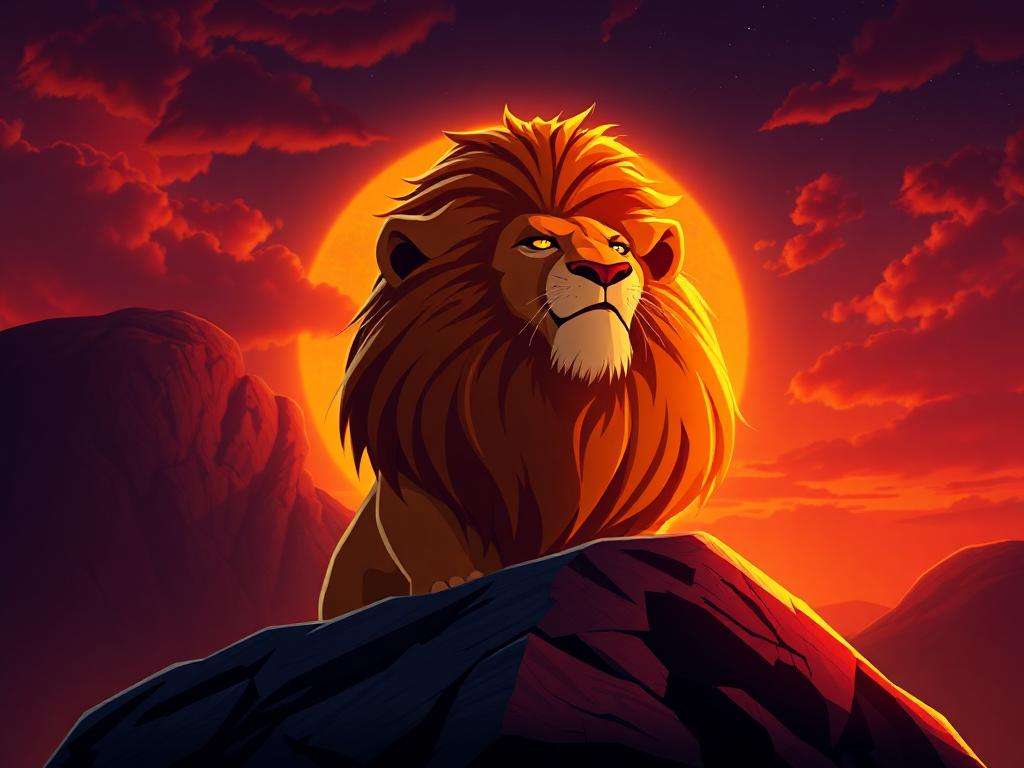
Detailed analysis of Barry Jenkins' Mufasa: The Lion King prequel, exploring its thematic depth, narrative innovation, and cinematic ambition while reflecting on its potential to redefine Disney's animated legacy.
Rediscovering the Majesty of Pride Rock: A Story Beyond the Legend
Few cinematic franchises carry the cultural resonance of The Lion King. A tale that has transcended decades, The Lion King captured imaginations with its Shakespearean undertones, evocative music, and the poignant dynamics of family, legacy, and destiny. With Mufasa: The Lion King, Disney revisits the savanna to unearth the origin story of its most iconic patriarch, promising a narrative that ventures beyond nostalgia into profound storytelling.
Directed by Barry Jenkins, acclaimed for the Academy Award-winning Moonlight, this ambitious prequel delves into the formative years of Mufasa. As audiences prepare for a December 2024 release, anticipation centres on how Jenkins’ artistry and Disney’s visual storytelling will converge to enrich this legendary saga.
The Genesis of Greatness: Mufasa’s Journey from Orphan to King
The allure of Mufasa: The Lion King lies in its reimagining of a character already etched into collective memory. While Mufasa is revered as the epitome of wisdom and strength in the original narrative, the prequel reveals a vulnerable, orphaned cub shaped by adversity. This backstory intertwines Mufasa’s rise to leadership with his enduring influence over the Pride Lands, offering audiences an emotionally resonant exploration of his transformation.
The dual narrative structure, a hallmark of Jenkins' directorial style, adds depth to this origin tale. Flashbacks seamlessly juxtapose Mufasa’s early trials with his later legacy, illuminating the forces - both personal and environmental - that moulded him into a leader. This approach aligns with Disney’s commitment to reimagining established stories, ensuring that this prequel stands as both a homage and an innovation.
Expanding Horizons: The Visual Poetry of Africa
Beyond the central character arc, Mufasa: The Lion King ventures into uncharted territories, portraying Africa’s vast and diverse landscapes with cinematic reverence. While the original films captured the golden plains of the savanna, Jenkins broadens the scope, introducing viewers to terrains that echo the continent’s ecological variety. From verdant rainforests to arid deserts, these settings enrich the narrative, reflecting Mufasa’s struggles and triumphs through the changing backdrops.
This geographical expansion is not mere spectacle but a narrative device. The diversity of Africa’s environments becomes a metaphor for Mufasa’s growth, symbolising the challenges he must overcome to assume his destiny. By placing the protagonist in these evocative settings, the film honours Africa’s cultural and natural heritage while crafting a visually immersive experience for audiences.
Kinship and Rivalry: Forging the Bonds of Leadership
Central to Mufasa’s evolution are the relationships that define him, particularly his bond with TaKa, a young lion destined to become Scar. Their complex dynamic - oscillating between camaraderie and conflict - serves as a microcosm of the broader themes of loyalty, betrayal, and power. TaKa’s gradual descent into villainy offers viewers a fresh perspective on his transformation, shedding light on the motivations that fuelled his rivalry with Mufasa.
By exploring these early relationships, the prequel enhances the emotional stakes of the original films. It provides context for pivotal moments, such as Mufasa’s unwavering compassion toward his estranged brother, making these scenes all the more poignant. This thematic richness underscores Jenkins’ dedication to presenting Mufasa: The Lion King as not just an adventure but a meditation on the complexities of kinship and leadership.
Barry Jenkins’ Artistic Vision: Elevating Animation
Barry Jenkins’ involvement in Mufasa: The Lion King has sparked both curiosity and excitement. Renowned for his introspective, human-centred storytelling, Jenkins brings a unique sensibility to the Disney canon. His nuanced approach to themes of identity and resilience is evident in his previous works, and his vision promises to elevate this animated prequel into a cinematic event.
Jenkins has spoken about his personal connection to The Lion King, describing how the original story resonated with him as a child. This connection informs his direction, blending the grandeur of Disney’s storytelling with the intimacy of character-driven narratives. Under his guidance, Mufasa: The Lion King emerges not merely as a prequel but as a profound exploration of character, legacy, and the power of storytelling.
Voices That Resonate: A Stellar Cast
A compelling story requires an equally compelling cast, and Mufasa: The Lion King delivers on this front. Aaron Pierre, known for his powerful performances, lends his voice to the young Mufasa, capturing both his vulnerability and emerging strength. Kelvin Harrison Jr., portraying the young Scar, complements Pierre with a performance steeped in nuance and complexity.
Returning cast members, including Seth Rogen, Billy Eichner, and John Kani as Timon, Pumbaa, and Rafiki, ensure continuity for fans, while new additions, such as Mads Mikkelsen’s antagonist Kirros, inject fresh energy into the narrative. This ensemble, under Jenkins’ direction, promises a richly layered portrayal of characters both familiar and new.
The Legacy of Animation: Advancing the Artform
Technologically, Mufasa: The Lion King builds on the visual achievements of the 2019 remake, pushing the boundaries of CGI animation. The hyper-realistic depiction of characters and environments transforms the film into a visual spectacle, marrying technological precision with artistic expression.
Jenkins’ collaboration with Disney’s animation teams ensures that the visuals serve the story, rather than overshadow it. The attention to detail, from the shimmer of dew on grass to the interplay of light and shadow, creates a world that feels both authentic and magical. This commitment to visual storytelling underscores the enduring appeal of The Lion King as a franchise that continually reinvents itself.
A Tale Retold for a New Generation
Ultimately, Mufasa: The Lion King represents more than a nostalgic return to the Pride Lands; it signifies a bold reimagining of a timeless story. By delving into Mufasa’s origins, the film deepens the franchise’s mythology, offering audiences a narrative that is as intellectually stimulating as it is emotionally resonant.
Under Barry Jenkins’ visionary direction, Mufasa: The Lion King emerges as a cultural event that bridges generations, blending the grandeur of Disney’s legacy with the introspection of contemporary cinema. As the release date approaches, anticipation builds for a film that promises to honour the past while charting new paths for the future of animated storytelling.