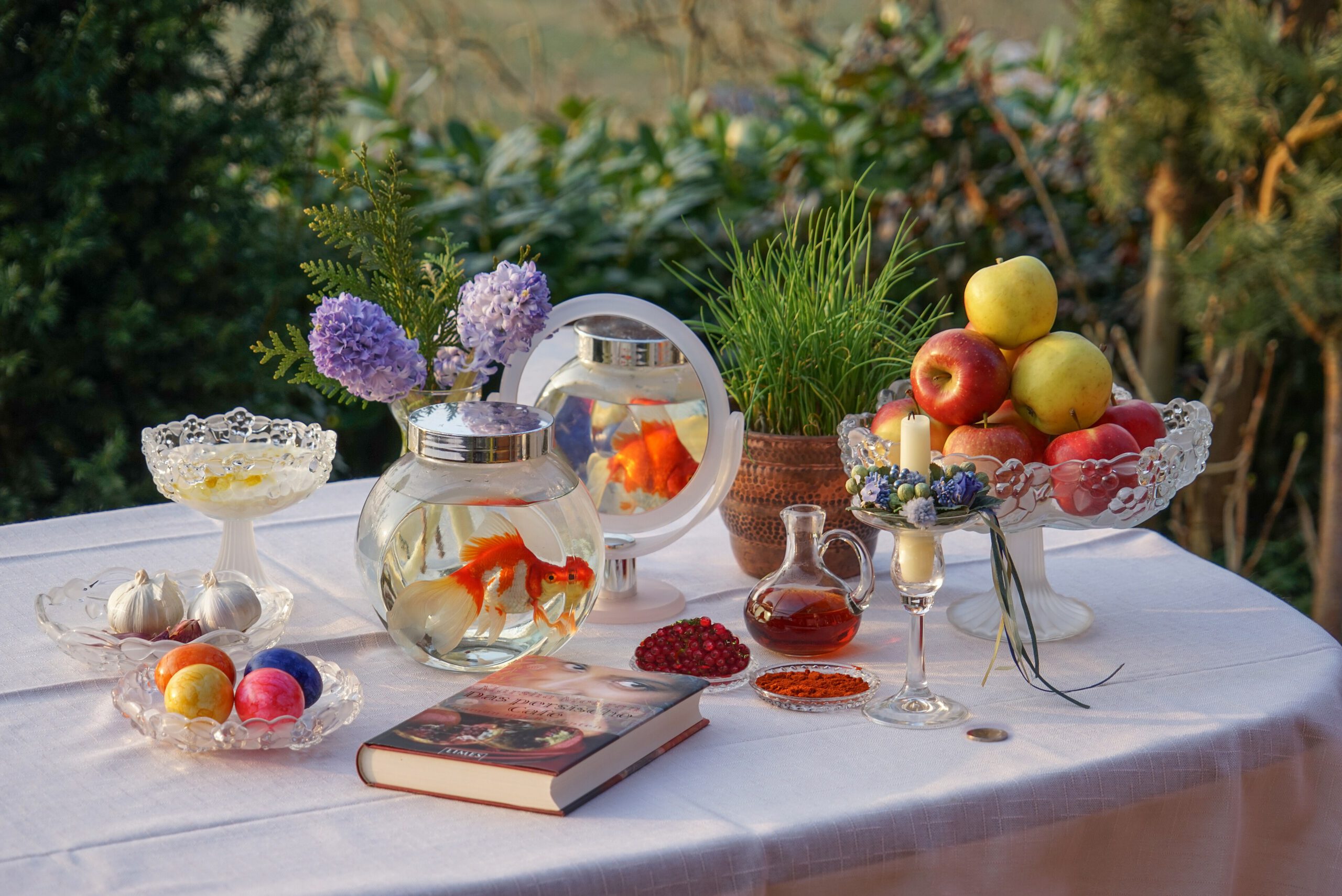
Nowruz, which marks the beginning of spring and the Persian New Year, is one of the oldest and most widely celebrated festivals in the world. Observed by over 300 million people across Iran, Afghanistan, Central Asia, the Caucasus, and diaspora communities worldwide, Nowruz represents a remarkable continuity of cultural tradition that spans thousands of years.
The Origins
Nowruz has roots in Zoroastrianism, the ancient Persian religion that predated Islam. The festival coincides with the vernal equinox - the moment when day and night are of approximately equal length - and marks the beginning of spring, a season of renewal and rebirth.
The festival’s association with the equinox reflects its agricultural origins. In pre-industrial societies, the transition from winter to spring was a critical moment - the time when planting began and the community’s survival for the coming year was determined. Nowruz provided a framework for marking this transition, combining practical agricultural knowledge with spiritual and symbolic meaning.
The Traditions
Nowruz is celebrated over thirteen days, beginning with the vernal equinox and concluding with Sizdah Bedar, a day spent outdoors. The festival’s traditions vary across different regions and communities, but several elements are common:
The Haft-sin table. The centrepiece of Nowruz celebration is the Haft-sin table, which displays seven items beginning with the Persian letter sin (س). These items - sprouts (sabzeh), garlic (sir), apples (sib), vinegar (serkeh), sumac (somāq), coins (sekkeh), and a dried fruit (senjed) - each carry symbolic meaning, representing aspects of the new year such as health, wealth, and renewal.
Spring cleaning. Nowruz preparations begin with a thorough cleaning of the home, symbolising the removal of the old year’s negativity and the preparation of a clean space for the new year.
Visiting family and friends. The thirteen days of Nowruz are spent visiting family, friends, and neighbours, exchanging gifts and sharing meals.
Sizdah Bedar. The festival concludes with Sizdah Bedar, a day spent outdoors in parks and gardens. The sprouts that were displayed on the Haft-sin table are thrown into flowing water, symbolising the release of the old year’s problems.
The Global Dimension
Nowruz’s celebration extends far beyond Iran and the Persian-speaking world. In Afghanistan, Nowruz is a national holiday celebrated with public festivities and family gatherings. In Central Asia, the festival is celebrated in Kazakhstan, Kyrgyzstan, Tajikistan, Turkmenistan, and Uzbekistan. In the Caucasus, Nowruz is observed in Azerbaijan and parts of Georgia and Armenia.
The diaspora communities of Iran, Afghanistan, and Central Asia have brought Nowruz celebrations to cities around the world. In London, Toronto, Los Angeles, and Sydney, Nowruz events attract large audiences and provide opportunities for cultural exchange and community building.
UNESCO Recognition
In 2009, UNESCO recognised Nowruz as an Intangible Cultural Heritage of Humanity, acknowledging its significance as a cultural tradition that has survived for millennia and continues to provide meaning and connection for hundreds of millions of people.
The recognition reflects Nowruz’s unique combination of antiquity and vitality - a festival that has adapted to changing circumstances while retaining its essential character.
The Contemporary Challenge
Nowruz faces challenges in the contemporary world. Urbanisation, migration, and cultural change have disrupted the traditional patterns of celebration that sustained the festival for centuries. Young people in diaspora communities may feel disconnected from the festival’s Persian origins, while those in Iran and Central Asia may struggle to maintain traditions in the face of modernisation.
Yet Nowruz endures. Its emphasis on renewal, community, and hope resonates with people across different cultures and circumstances, ensuring its continued relevance in an era of rapid change.
For readers interested in the broader landscape of seasonal festivals, our analysis of ancient festivals in the modern world provides additional context. Those exploring Persian culture may also appreciate our feature on the literary tradition of Rumi.