It was supposed to be the great romantic democratiser of the twenty-first century. When swipe-based dating applications first flooded our smartphones, they promised a frictionless, algorithmically perfected path to human connection. Yet, more than a decade into this grand social experiment, the digital search for intimacy feels less like serendipity and significantly more like a second job.
According to Ofcom’s recent Online Nation report, the United Kingdom is currently experiencing a mass exodus from the digital dating market. Between 2023 and 2024, engagement with the top ten most popular dating applications plummeted by 16%, with approximately 1.4 million Britons abandoning the platforms altogether. Industry giants bore the brunt of this exodus: Tinder alone haemorrhaged over 500,000 UK users, while Bumble and Hinge saw respective losses of 368,000 and 131,000.
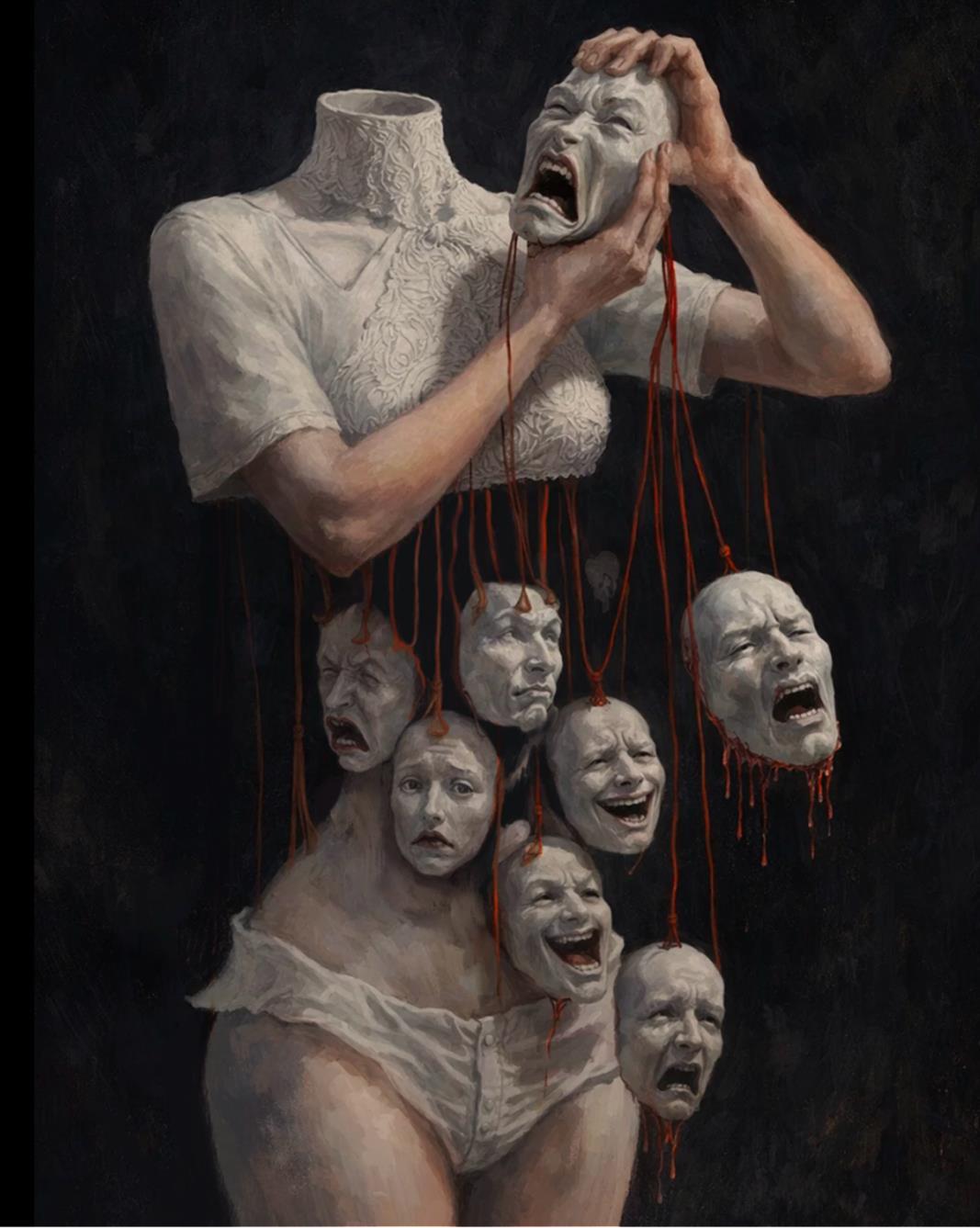
What is driving this widespread retreat? The answer lies in a profound, systemic sense of dating fatigue. Research published by Forbes Health indicates that up to 78% of users now experience emotional burnout from dating apps. Singles are increasingly describing the process as "admin" - a tedious, repetitive chore devoid of romance. The algorithmic gamification of love has bred a culture of disposability, where complex human beings are flattened into a digital deck of cards, to be rapidly judged and discarded with a flick of the thumb.
However, the apps are not dead; they are merely undergoing a necessary evolution. As the era of endless, mindless swiping recedes, a new culture of highly intentional, "slow dating" is emerging from the wreckage. For those still navigating the digital landscape, the rules of engagement have fundamentally changed. To circumvent burnout and cultivate genuine connection, daters must adopt a new, rigorous approach to the apps.
The Gamification Trap and the Illusion of Infinite Choice
To succeed in modern online dating, one must first understand the architecture of the environment. Researchers at the University of Leeds’ Centre for Love, Sex, and Relationships have noted that the very design of swipe-based interfaces fosters detachment. The psychological markers of dating app burnout - emotional exhaustion, cynicism, and a persistent feeling of futility - closely mirror the clinical symptoms of occupational burnout.
This is largely because the algorithms powering these platforms are historically designed to prioritise user retention and engagement metrics over long-term romantic success. They thrive on the "Siren Call" of infinite choice. The subconscious belief that someone marginally better might just be one swipe away prevents users from deeply investing in the person currently in front of them. Recognising that the app is an engineered casino, rather than a benevolent matchmaker, is the first critical step in reclaiming your agency.
The Authenticity Imperative
In this saturated, high-fatigue environment, the foundation of a successful digital dating experience is no longer about casting the widest possible net; it is about aggressively filtering out the noise. A 2024 report by eHarmony revealed a startling statistic: nearly half (45%) of UK singles admitted to not being entirely authentic on their dating profiles, frequently smoothing out their eccentricities to appear more universally palatable.
This is a strategic error. In a sea of homogeneity, hyper-specificity is your greatest asset. A standout profile should actively repel individuals who are not a good fit. Instead of relying on tired clichés about enjoying "travel, the gym, and a good roast dinner" - a baseline requirement for most of the British population - focus on the granular, idiosyncratic details of your life.
State your intentions with absolute clarity. If you are seeking a serious, long-term relationship, articulate that in your biography immediately. While this unapologetic honesty will undoubtedly reduce your overall match rate, it will dramatically elevate the quality of the connections you do make. You are attempting to find a partner, not win a popularity contest. Sparing yourself the exhaustion of dead-end conversations with casual daters is the most effective antidote to app fatigue.
Furthermore, platform selection requires precision. The mass-market appeal of Tinder may offer raw volume, but discerning daters are migrating toward platforms tailored to specific relationship styles and intentions. Understanding the sociological makeup and reputation of an app’s user base - whether that is Hinge for traditional relationship building, or niche apps like Fitil and Feeld - is essential for aligning your digital presence with your actual desires.
Reclaiming the Conversation
Once a match is made, the real work begins. The initial exchange is the graveyard of modern romance, where potential connections are routinely suffocated by the generic weight of "How is your week going?" or the fleeting, superficial charm of Rizz: The Word That Captured The Romance Of 2023.
To break this monotony, daters must engage in conversations that demand intellectual and emotional presence. Ask open-ended, slightly off-centre questions that invite a narrative response rather than a monosyllabic answer. The objective is to rapidly ascertain whether there is a baseline of conversational chemistry.
This approach requires a degree of emotional vulnerability. Relationship expert Shan Boodram frequently advocates for self-acceptance and radical emotional openness as the necessary foundation for equitable partnerships. By bringing your authentic, unvarnished self to the conversation early on, you create a psychological safe space for the other person to do the same. It shifts the dynamic from a performative job interview to an actual human interaction.
Safety in the Shadow of Romance Fraud
While emotional burnout is a significant risk, the financial and physical safety risks associated with online dating require rigorous, unblinking vigilance. We have moved far beyond the era of simple catfishing; modern romance fraud is a highly lucrative, sophisticated criminal enterprise.
According to data reported to the UK’s national reporting centre, Action Fraud, a staggering £106 million was lost to romance fraud in the 2024/25 financial year alone. The volume of reports saw a 9% increase from the previous year, with the average victim losing approximately £11,222. While demographics indicate that the 50–59 age bracket is heavily targeted, younger demographics are increasingly falling victim to complex schemes.
Fraudsters are leveraging advanced technologies, including AI-generated images and deepfake audio, to craft highly convincing false identities. They operate with terrifying patience, often spending weeks or months cultivating deep emotional intimacy before manufacturing a crisis that requires urgent financial assistance. Protecting yourself requires the establishment of immovable boundaries: never transfer money or cryptocurrency to someone you have only met online, regardless of how compelling their emergency appears.
Furthermore, be intensely wary of matches who refuse to verify their identity, avoid video calls, or continuously cancel in-person meetings at the eleventh hour. For a deeper, comprehensive dive into protecting your physical and emotional well-being, our guide on Online Dating: Red Flags and Top Tips for Success offers essential advice on spotting manipulative, coercive behaviours before they escalate.
The Premium Question and the Reality of Rejection
Beyond the threat of fraud, there is the reality of the financial investment demanded by the platforms themselves. The landscape of online dating has become heavily monetised, with major apps restricting user visibility and basic functions behind aggressive paywalls. They push premium subscriptions that promise to boost profiles, send digital "roses," or reveal hidden likes.
While it is entirely reasonable to view this cynically as the corporate commodification of loneliness, investing in premium features can occasionally be a pragmatic choice for the highly intentional dater. By allowing you to see exactly who has already liked your profile, premium tiers can completely eliminate the "admin" time of blind swiping. It allows you to focus your energy solely on individuals who have already expressed a definitive interest. In the context of dating fatigue, it is a calculated expenditure to reclaim your most valuable asset: your time.
Equally important to protecting your time is protecting your self-worth from the inherent rejection of the apps. If a connection fades, or a match abruptly unmatches, it is imperative not to internalise the event. The algorithmic, high-volume nature of modern dating means that rejection is rarely a commentary on your inherent value or attractiveness; it is simply a mismatch of timing, preference, or algorithmic visibility. Developing a thick skin and a philosophical detachment to digital rejection is mandatory for long-term survival on these platforms.
The Return to the Physical World
Perhaps the most crucial, overarching strategy for surviving online dating is knowing exactly when to take it offline. Endless messaging builds a dangerous phantom of a person - a psychological projection of what you hope them to be, rather than who they actually are in reality. Prolonged digital communication breeds a false sense of intimacy that is easily and awkwardly shattered upon the first physical meeting.
To mitigate this phenomenon, daters should aim to transition from the application to a low-stakes, in-person meeting as quickly as is safely possible. A brief coffee date, a visit to a gallery, or a walk in a public park requires minimal financial and temporal investment. Crucially, it allows you to instantly gauge physical chemistry, body language, and real-world rapport - metrics that an algorithm can never calculate.
Ultimately, the mass exodus from dating apps suggests a broader, highly encouraging cultural shift. As daters abandon the endless swipe, there is a marked, nationwide resurgence in offline, community-based socializing. Singles are actively returning to run clubs, pottery classes, and structured matchmaking events, actively seeking the serendipity of a real-life "meet-cute."
Online dating remains a genuinely powerful tool for romantic connection, but it is no longer the only room in the house. By treating the applications as just one pragmatic mechanism for meeting people - rather than the definitive, omnipotent arbiter of your romantic fate - you can engage with them on your own terms. Approach the digital landscape with intentionality, fierce boundaries, and a healthy dose of offline living, and the path to connection becomes significantly clearer.