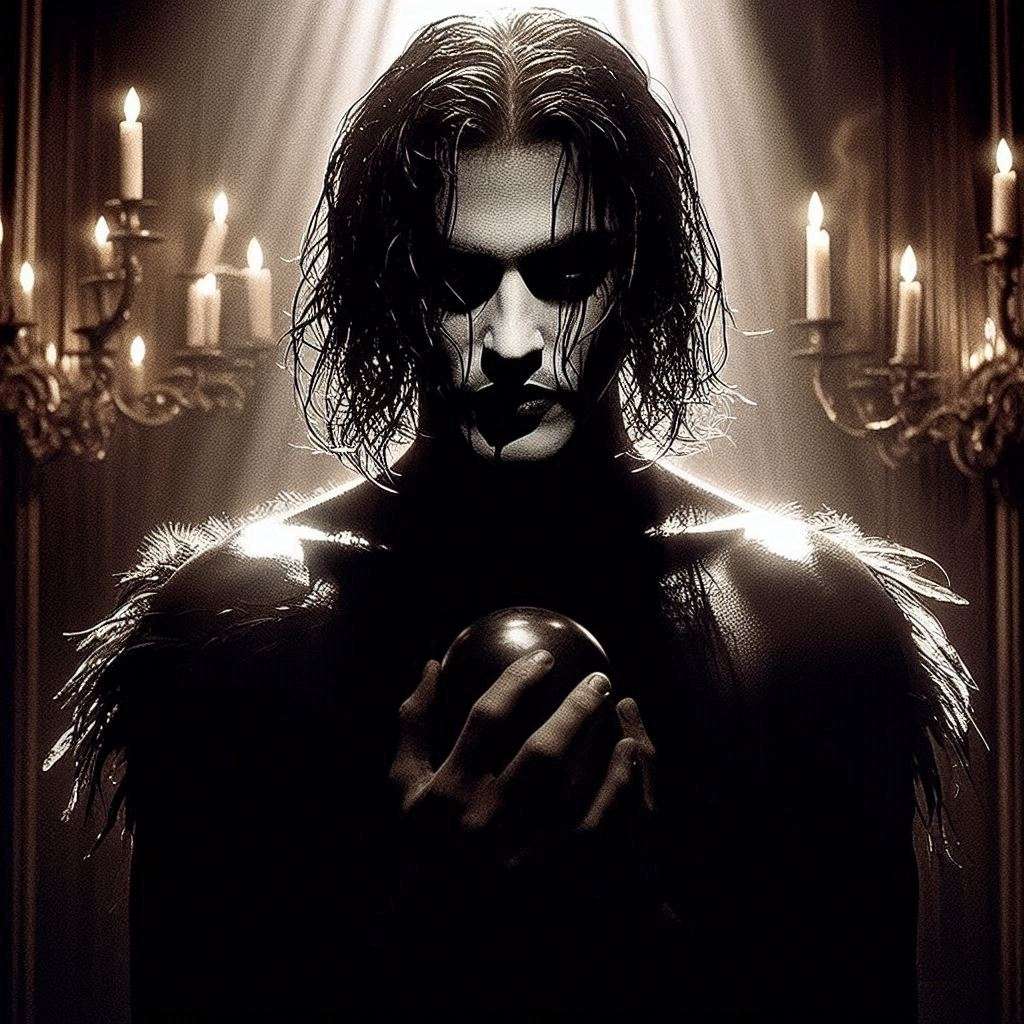
The 1994 film The Crow left an indelible mark on popular culture, creating a gothic legend that fused raw emotion, tragedy, and an iconic visual aesthetic. Directed by Alex Proyas and starring Brandon Lee, who tragically lost his life during the film’s production, The Crow became more than a movie - it evolved into a haunting symbol of loss, love, and retribution. Thirty years later, Rupert Sanders, known for Snow White and the Huntsman and Ghost in the Shell, attempts to resurrect the ghostly tale with his remake, featuring Bill Skarsgård as the brooding avenger and FKA Twigs as his ill-fated love. But does this new vision honour the cult classic’s legacy, or does it crumble under the weight of its own ambition?
The Legacy of The Crow - A Tale of Tragedy and Transcendence
To fully appreciate the challenges faced by the 2024 remake, it’s essential to understand the cultural significance of the original. Created by comic artist James O’Barr in the early 1980s, The Crow was born out of personal tragedy. O’Barr’s grief over the loss of his girlfriend drove him to craft a story that reflected the anguish of love violently torn apart. The comic was a visceral response to trauma, blending gothic imagery with themes of vengeance, making it an instant underground sensation when published in 1989.
The subsequent film adaptation, led by Proyas, captured the essence of O’Barr’s work while elevating it with striking visuals and a soundtrack that became a defining feature of 90s counterculture. Lee’s portrayal of Eric Draven, the tortured rock musician brought back to life to avenge his murdered lover, was infused with sincerity and intensity. The film’s tragic backstory only heightened its mythos, cementing it as an icon of gothic cinema.
Rupert Sanders’ Vision - Reinterpreting a Gothic Classic
When Rupert Sanders took the helm for the The Crow remake, he made it clear that this would not be a simple retelling of Proyas’ vision but rather a fresh adaptation of O’Barr’s original comic. However, such an approach comes with its own risks. The 1994 film is revered not just for its story but for the melancholic atmosphere, grimly poetic dialogue, and the inescapable reality of its star’s untimely death. For many fans, the shadow of Brandon Lee still looms large, making any new interpretation subject to comparison.
In Sanders’ version, the narrative focus shifts slightly. The story is now anchored in the relationship between Eric Draven (Skarsgård) and Shelly (FKA Twigs), with greater emphasis on love as the driving force behind Draven’s resurrection, rather than sheer vengeance. This reorientation brings a softer, more emotive layer to the narrative, aiming to humanise Draven while attempting to avoid the pitfalls of melodrama.
Despite Sanders’ intention to carve out a distinct path, the film struggles to escape the weight of its predecessor. Skarsgård’s portrayal is undeniably compelling - his gaunt, ethereal presence evokes the ghostly figure of the original character, while his previous work as Pennywise in It lends a chilling undertone. Yet, the film falters in its pacing and tone. Unlike Proyas’ sharp, adrenaline-fuelled gothic nightmare, Sanders’ approach veers into a moody, meandering introspection that lacks the urgency and ferocity that made the original so gripping.
The Stylistic Shift - From Industrial Grit to European Elegance
One of the most noticeable changes in Sanders’ remake is the relocation of the story from the decaying streets of Detroit to the gothic grandeur of Prague. This shift from an industrial, post-apocalyptic setting to an atmospheric, European backdrop reimagines the visual language of The Crow, swapping gritty realism for baroque elegance. The cobblestone streets, misty alleys, and towering cathedrals create an otherworldly aesthetic, yet this atmospheric grandeur often feels disconnected from the raw emotional intensity at the heart of the story.
This stylistic overhaul extends to the characters as well. Skarsgård’s Eric Draven bears a closer resemblance to Peter Murphy of Bauhaus, a nod to the dark wave influences of the original comic. Yet, despite the more polished veneer, there’s a sense that the film is leaning too heavily on its visual flair, losing the raw, punk-infused energy that gave the 1994 version its edge. The soundscape, once dominated by The Cure, Nine Inch Nails, and Stone Temple Pilots, now features a more eclectic mix, but it never quite achieves the same haunting resonance.
Narrative and Structural Challenges - A Struggle Between Old and New
One of the central challenges for any remake is balancing homage with innovation. Sanders’ The Crow makes a commendable attempt at distancing itself from direct comparisons by altering the core narrative. However, these changes result in a film that feels both overly familiar and thematically diluted. By focusing more on the romance between Eric and Shelly, the film attempts to inject warmth into a traditionally bleak tale, yet this choice risks undermining the tragic gravity that defines The Crow’s essence.
Furthermore, the introduction of new plot elements - such as the business dealings of Vincent Rogue (Danny Huston) and Eric’s convoluted journey through purgatory - adds layers that distract rather than enhance. The film’s structure, which includes extended flashbacks and dreamlike sequences, attempts to convey a sense of timeless melancholy, but often ends up muddling the narrative’s momentum. This slow-burn approach could work in a different context, but here it detracts from the visceral immediacy that should define a revenge tale.
The Weight of Expectation - Can Any Remake Truly Escape Its Legacy?
Ultimately, the question that lingers over Sanders’ The Crow is whether it was ever possible to meet the expectations of fans and critics alike. The original film’s combination of tragic artistry, Lee’s poignant performance, and Proyas’ singular vision created a near-perfect storm that’s almost impossible to replicate. While Sanders’ remake is not without merit - it boasts stylish cinematography, committed performances, and moments of striking beauty - it falls short in recapturing the raw emotional impact that defined its predecessor.
For audiences familiar with the original, the 2024 The Crow may feel like an elegant yet hollow tribute. For those encountering the story for the first time, it offers a visually engaging, if somewhat uneven, entry into the gothic revenge genre. In trying to carve out its own identity, the remake ends up a curious blend of homage and reinvention, lacking the defining soul that made the 1994 film a cult phenomenon.
As the dust settles, it’s clear that some stories, no matter how beloved, are inextricably linked to their time, place, and the unique alchemy of the circumstances that brought them to life. Sanders’ The Crow might stand as a competent reinterpretation, but it is ultimately haunted by the spectre of a film that, like its tragic hero, refuses to stay buried.