By Yulia Tulegenova, artist and film critic
The Glorious, Empty Violence of Saltburn
There is a certain kind of film that arrives like a beautifully wrapped gift box, promising a familiar, elegant pleasure. Emerald Fennell's Saltburn was marketed as just such a gift. We were led to expect a sun-drenched, homoerotic drama, a story of two beautiful young men falling in love in the bucolic splendour of an English country estate. We were promised a spiritual successor to Call Me by Your Name. What we got, however, was something far stranger, far darker, and far more interesting. The box was not empty, but it contained a beautiful, venomous snake.
Saltburn is not a romance. It is the chronicle of an obsession. It is a glittering, gothic, and deeply funny takedown of the British aristocracy, a world so insulated by its own privilege that it cannot see the predator it has invited into its home. The film is a hybrid, a beautiful monster stitched together from the DNA of The Talented Mr. Ripley and the nihilistic, stylish hedonism of Skins. It is a film that understands that the greatest threat to the old world is not a violent revolution, but a quiet, patient, and deeply seductive infiltration.
The Performance of Privilege
The world of Saltburn is a world of surfaces. The Catton family, the inhabitants of the sprawling titular estate, are not so much people as they are a collection of beautifully curated eccentricities. Their lives are a constant, effortless performance of their own class. They speak in a languid, ironic drawl, their days a series of meaningless rituals designed to pass the time between meals. They are not evil. They are, in a sense, far worse: they are profoundly, almost tragically, unserious.
Fennell portrays this world with a sharp, satirical eye. The aristocracy is not a bastion of culture and refinement, a world of deep knowledge of Shakespeare and Henry VII. It is a place of profound, almost wilful, ignorance. The Cattons are so insulated by their wealth that they have lost the basic instinct for self-preservation. They are a dynasty that will invite a stranger into their home for an entire summer, simply because it is the polite, and vaguely interesting, thing to do. They are not just surrounded by vultures; they are actively setting the table for them.
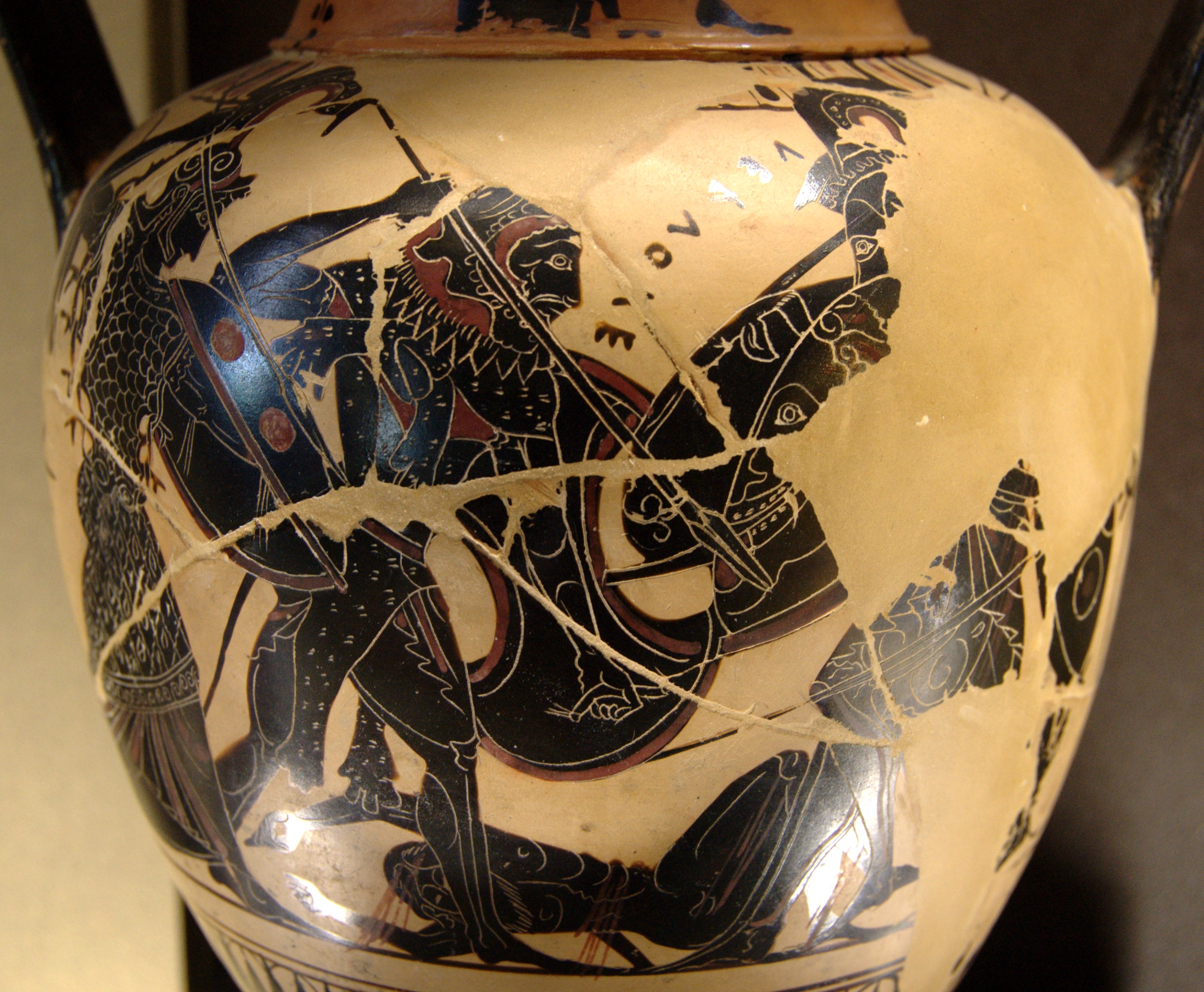
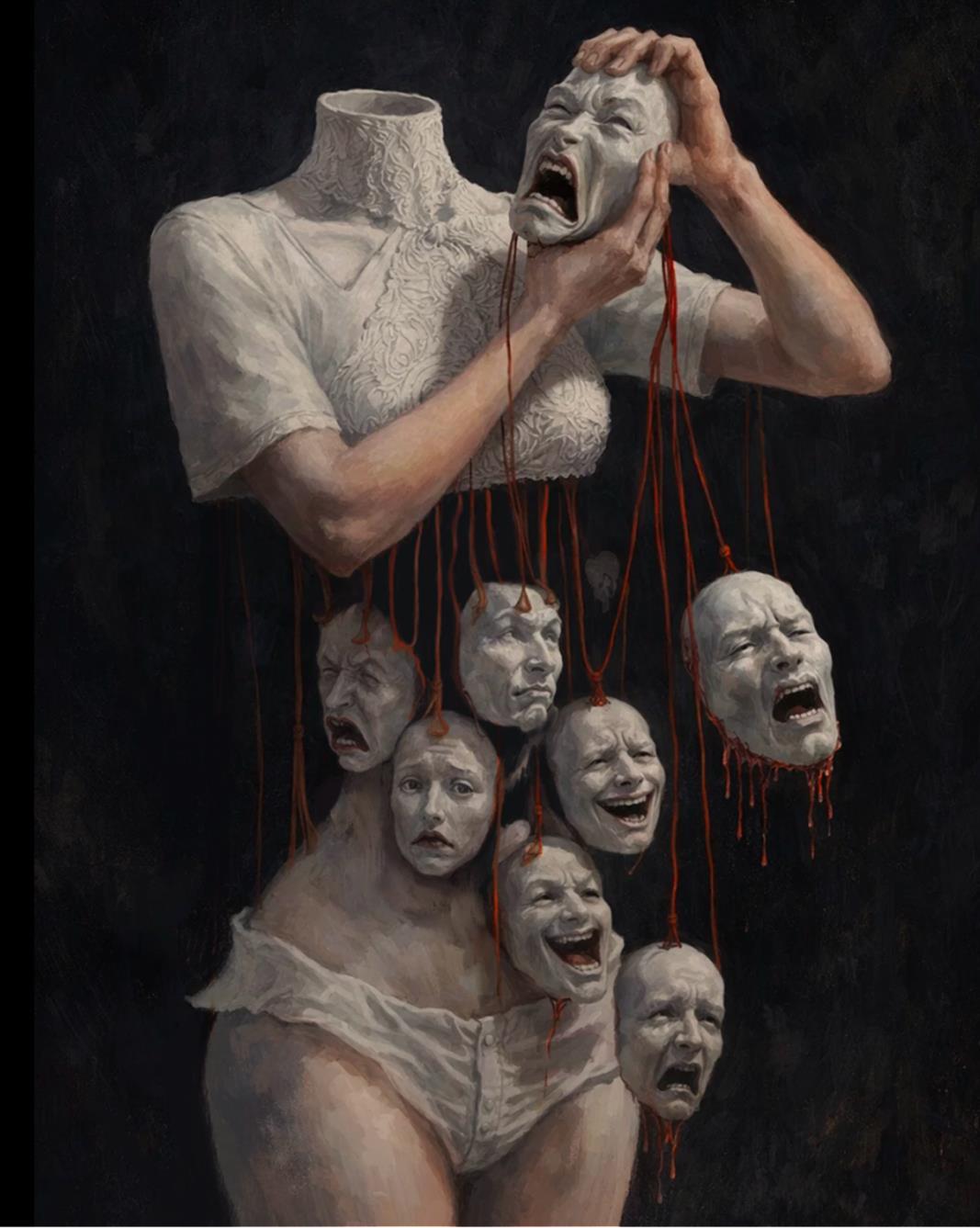
The film is a visual bacchanal, a feast of references that range from the chaotic, orgiastic landscapes of Hieronymus Bosch to the tragic, doomed romance of Greek mythology. It is a world that is so aesthetically rich, so self-consciously beautiful, that it becomes a kind of beautiful prison. The very beauty of Saltburn is what makes its inhabitants so blind to the darkness that is festering within its walls.
The Seduction of the Lamb
Into this world of careless beauty steps Oliver Quick, played with a terrifying, chameleon-like brilliance by Barry Keoghan. Oliver is the ultimate outsider, the quiet, nerdy Oxford student who appears to be a helpless, innocent lamb in a world of beautiful, careless wolves. He is a master of manipulation, a psychopath with the face of an angel. He understands, with a chilling, intuitive clarity, that the quickest way into the heart of this world is not through aggression, but through pity. He performs the role of the tragic, misunderstood scholarship boy, and the Cattons, in their bored, benevolent noblesse oblige, devour it.
His obsession is focused on Felix Catton, the beautiful, effortlessly charming son of the family, played by Jacob Elordi. Felix is the golden boy, the sun around which the entire world of Saltburn revolves. He is so secure in his own beauty, in his own social position, that he is incapable of imagining a world in which someone might wish him harm. He is, in his own way, as innocent as Oliver is corrupt.
The relationship between Oliver and Felix is not a love story. It is a story of consumption. Oliver does not want to be with Felix; he wants to be Felix. He wants to possess not just the man, but the world that he inhabits. His acts of devotion are not acts of love; they are acts of vampiric appropriation.
There has been much debate about the film's aesthetic, about whether its relentless, Instagrammable beauty comes at the expense of dramatic depth. This, I think, is to miss the point. The film's argument is that for this class of people, the surface is the substance. There is no depth to be found, because there is no one at home. The Cattons are a collection of beautiful, empty rooms, and Oliver is simply the new tenant, moving in and making himself comfortable. The final, unforgettable scene, of Oliver dancing naked through the empty halls of the mansion to the strains of "Murder on the Dancefloor," is not just a moment of macabre celebration. It is the ultimate act of possession. He is not just dancing in the house; he is the house.
A Modern Gothic
Fennell has created a new kind of gothic villain in Oliver Quick. He is not the suave, sophisticated Tom Ripley. He is clumsier, stranger, and in many ways, more disturbing. His perversions are not elegant; they are raw, primal, and deeply unsettling. But his power lies in his ability to hide this demonic soul behind a mask of harmless, angelic mediocrity.
Saltburn is a film that is destined to be debated, to be loved and loathed in equal measure. But it is, without a doubt, a work of singular, audacious vision. Fennell has crafted a black comedy that is as beautiful as it is brutal, a frivolous, stylish, and deeply serious examination of class, desire, and the quiet, creeping violence of obsession. It is a film that will get under your skin, a beautiful, glittering poison that you will not soon forget. And it comes with a simple, and timely, warning: be careful who you invite into your home. The lamb at your door may just be a wolf in sheep's clothing.