27.06,25 By Lee Sharrock is a London-based art critic, writer, and curator who contributes expert analysis on global art and culture to Forbes. Her perspective is informed by extensive experience within the creative industries, including her former role as Head of Global Creative PR for Saatchi & Saatchi Worldwide. As the founder of the arts platform Culturalee, she travels internationally to cover major exhibitions, biennials, and art fairs for a discerning audience of cultural enthusiasts.
Sofia Segalla is a multidisciplinary artist and designer whose practice resists traditional categorization, operating fluidly at the crossroads of visual art, wearable identity, and autobiographical research. Born in Moscow and now based in London, Segalla’s work is deeply rooted in post-Soviet visual culture and her lived experience as a woman and immigrant. Her art is a response to and reimagining of cultural memory, gendered expectations, and the aesthetics of vulnerability.
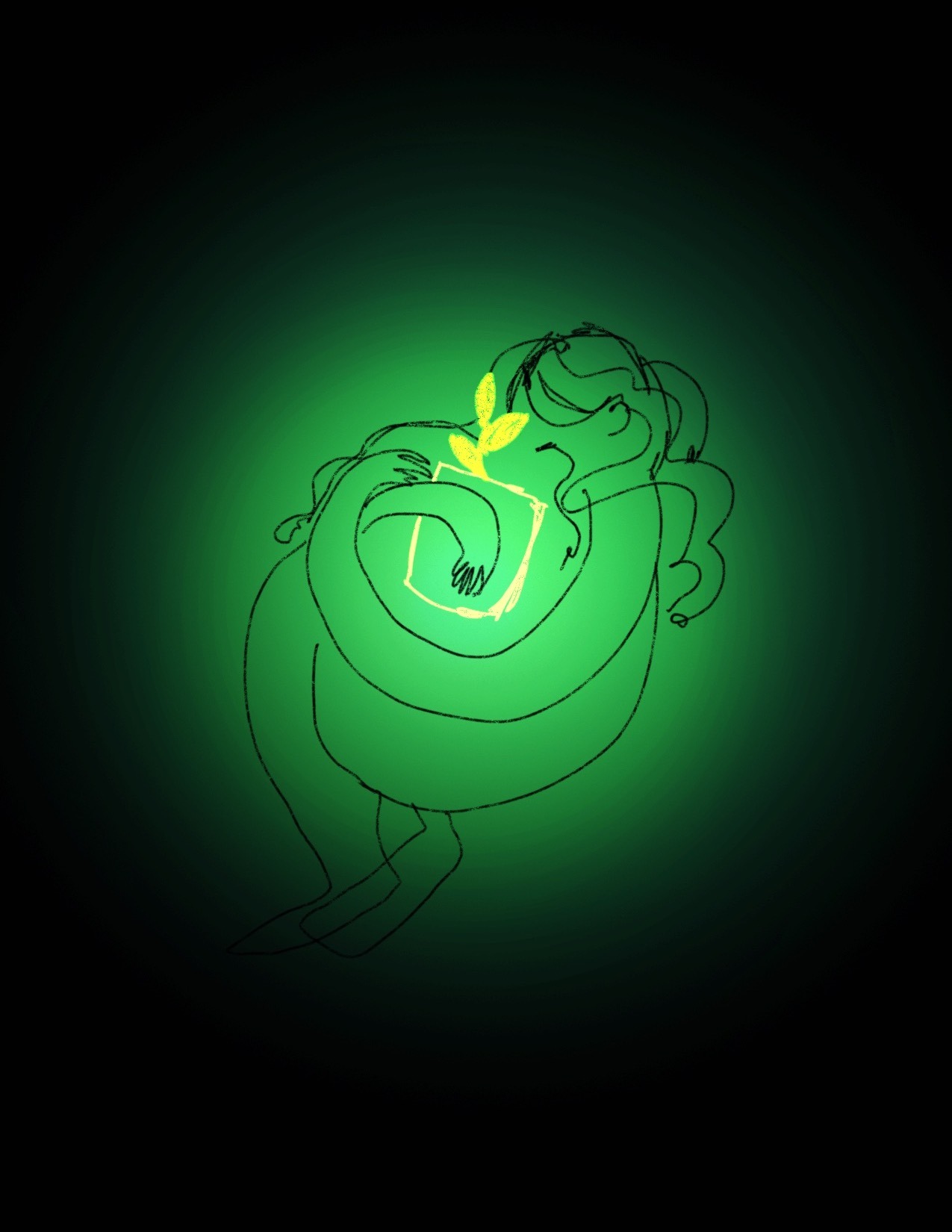
Segalla’s training in fashion design is foundational to her creative process. Graduating with distinction, she has since exhibited her work in London, Edinburgh, and digitally, establishing herself as a critical voice in the contemporary intersection of art and fashion. Her practice spans mediums - drawing, collage, clothing, and digital media - but is unified by a commitment to self-archiving and storytelling through the body.Her series The Diary Project exemplifies this approach, exploring the ritual of getting dressed as both armor and language. In these images, clothing becomes a form of silent communication and self-preservation, layering routine with emotional nuance.

In her 2024 digital series Urban Sirens, Segalla deepens her exploration of memory, place, and identity. The project consists of four digital illustrations featuring female figures that emerge from collaged textures of post-Soviet urban architecture, handwritten fragments, and echoes of history. These "sirens" are not mythical temptresses but modern avatars of displacement and resilience. Merging fashion silhouettes with the decaying façades of a shared past, Segalla transforms individual and collective trauma into a visual mythology, where memory serves as both architecture and adornment.
Equally compelling is her ongoing Visual Diary project, initiated in 2023. On the surface, these are daily drawings of her outfits-stylized, aesthetically engaging, and deceptively simple. But under the surface lies a wealthy narrative of performed identity. The act of dressing, as Segalla shows, is an enactment of femininity shaped by early 2000s pop culture ideals: a time when hyper-feminine perfection and unattainable beauty standards dominated the visual landscape. Her diary reclaims and subverts those constructs, using her body and wardrobe to rewrite scripts of womanhood with irony and intimacy.

Through the language of art, illustration, and visual memory, Sofia Segalla creates a space where the personal becomes political. Her work is an ongoing dialogue between history and aesthetics, trauma and fashion, silence and spectacle. She is not merely dressing up but dressing down the systems that shape identity.