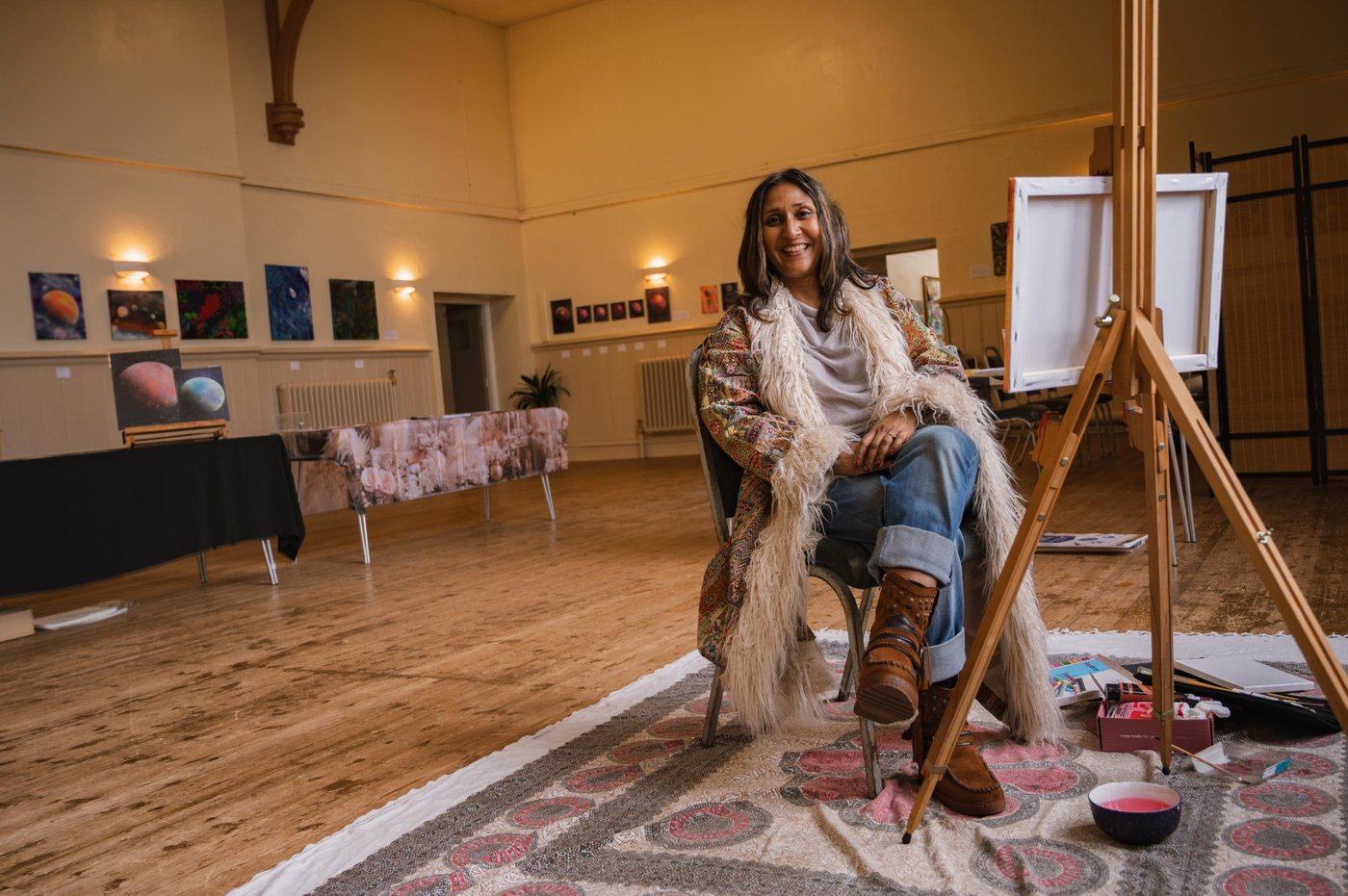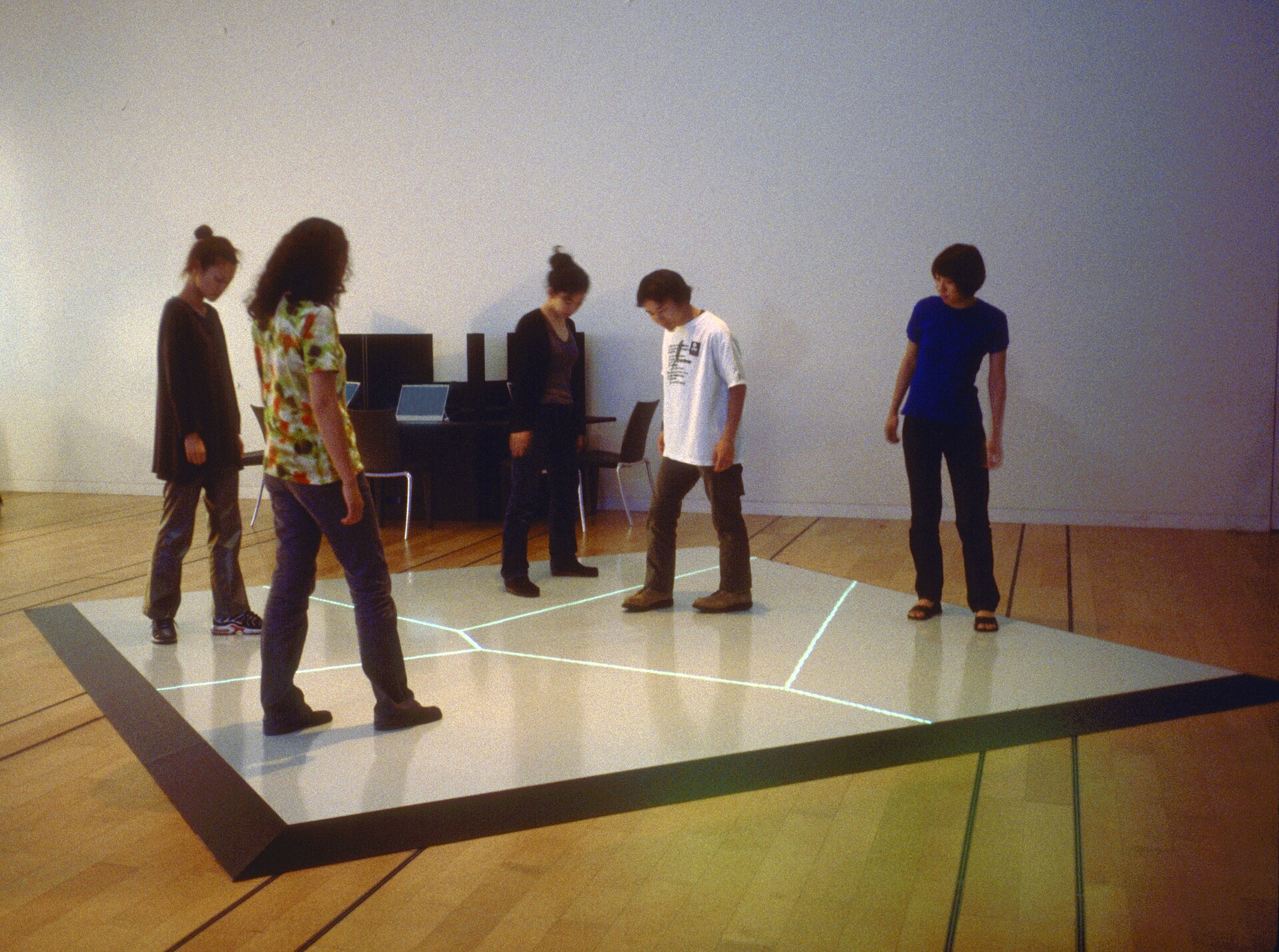
The relationship between technology and creativity has always been dynamic. The invention of the printing press transformed literature; the development of photography transformed painting; the creation of the internet transformed communication. Now, a new wave of technological change - artificial intelligence, virtual reality, blockchain technology - is reshaping the creative landscape in ways that raise fundamental questions about authorship, authenticity, and the nature of artistic expression.
Artificial Intelligence
Artificial intelligence has emerged as the most significant and controversial technology affecting creative production. AI systems can now generate text, images, music, and video that are indistinguishable from human-produced work - a capability that challenges conventional understandings of creativity and authorship.
The implications are profound. If a machine can produce work that is aesthetically pleasing, emotionally resonant, and technically accomplished, what distinguishes human creativity? The question is not merely philosophical; it has practical consequences for artists, publishers, galleries, and audiences who must navigate a creative landscape in which the boundaries between human and machine production are increasingly blurred.
Virtual and Augmented Reality
Virtual and augmented reality technologies are transforming how audiences experience creative work. Virtual reality enables immersive experiences that place the viewer inside the work - walking through a painting, inhabiting a sculpture, or experiencing a performance from the performer’s perspective.
These technologies are still in their early stages, but their potential is significant. They offer new possibilities for creative expression and new modes of audience engagement that could transform the relationship between creators and their public.
Blockchain and Digital Ownership
Blockchain technology and non-fungible tokens (NFTs) have created new models for the ownership and distribution of digital creative work. These technologies enable creators to sell digital works directly to audiences, bypassing the traditional intermediaries - galleries, publishers, record labels - that have historically controlled the distribution of creative products.
The NFT phenomenon has generated significant controversy, both for its environmental impact and for the speculative behaviour it has encouraged. Yet the underlying technology - secure, decentralised digital ownership - has implications that extend beyond the current market for digital art.
The Democratization of Production
Perhaps the most significant impact of technology on creativity is the democratisation of production. Digital tools - affordable cameras, music production software, graphic design applications, writing platforms - have made it possible for individuals to produce work of professional quality without the resources and training that were previously necessary.
This democratisation has expanded the range of voices and perspectives in the creative landscape. It has also created new challenges - particularly the problem of discoverability, as the volume of creative production exceeds the capacity of traditional gatekeepers to evaluate and curate.
The Enduring Questions
Technology changes the tools and platforms of creative production, but the fundamental questions of creativity remain constant: What does it mean to make something? How do we evaluate creative work? What role does creativity play in human life? These questions are as relevant in the age of artificial intelligence as they were in the age of the printing press.
For readers interested in the broader relationship between technology and culture, our analysis of digital transformation and the arts provides additional context. Those exploring AI’s specific impact may also appreciate our feature on artificial intelligence and creative expression.