The spectacle of a K-pop concert is a masterclass in precision. Under the blinding stadium lights, every choreographed movement is executed with breath-taking synchronicity, every vocal run lands flawlessly, and every artist projects an aura of radiant, untouchable perfection. For the tens of thousands of screaming fans in attendance, and the millions watching via livestreams around the globe, it is a seamlessly manufactured utopia. Yet, behind the polished veneer of South Korea’s most lucrative cultural export lies a shadowy ecosystem of immense psychological pressure, gruelling physical demands, and complex contractual battles.
For years, the narrative surrounding the Korean wave, or Hallyu, has focused overwhelmingly on its unprecedented global conquest. However, a parallel narrative is finally beginning to surface - one that examines the profound human cost of this industrialised perfection. As of January 2026, South Korea has implemented revised standard trainee contracts under the Act on the Development of the Popular Culture and Arts Industry. This landmark legislation, which explicitly mandates expanded mental health protections and safeguards for juvenile artists, marks a critical inflection point. It is an institutional acknowledgement of the unseen battles that rising stars have fought in silence for decades.
The Trainee Crucible
To understand the immense pressures placed upon K-pop idols, one must first look at the system that creates them. The journey to stardom does not begin with a debut stage; it begins years, sometimes a decade, earlier in the infamous trainee system. Children as young as ten or eleven are routinely scouted or pass rigorous auditions, only to be placed into a highly regulated, hyper-competitive environment.
In these training academies, the pursuit of perfection is absolute. Trainees undergo exhausting daily regimes of vocal coaching, dance practice, media training, and foreign language studies. This physical and mental conditioning is designed to forge artists who can withstand the rigours of international touring, but it frequently comes at the expense of a normal childhood.
The environment is inherently precarious. Trainees are subjected to continuous evaluations, knowing that their agency could drop them at any moment. Furthermore, the financial structure of the industry often means that the costs of this extensive training - including housing, food, and instruction - are treated as a debt that the idol must repay once they debut. This creates an immense psychological burden; the pressure is not merely to succeed artistically, but to succeed quickly and spectacularly enough to escape a mounting financial deficit. In this pressure cooker, basic personal freedoms are routinely curtailed. Agencies have historically enforced strict dating bans, mandated extreme dietary restrictions with regular weigh-ins, and monitored personal communication devices to ensure absolute compliance and focus.
The Weight of the Public Gaze
If the trainee period is a physical crucible, the post-debut experience is a psychological one. South Korea boasts one of the most highly connected, digitally active populations in the world, fostering a fiercely intense internet culture. For a rising K-pop star, this means living under a microscope of relentless public scrutiny.
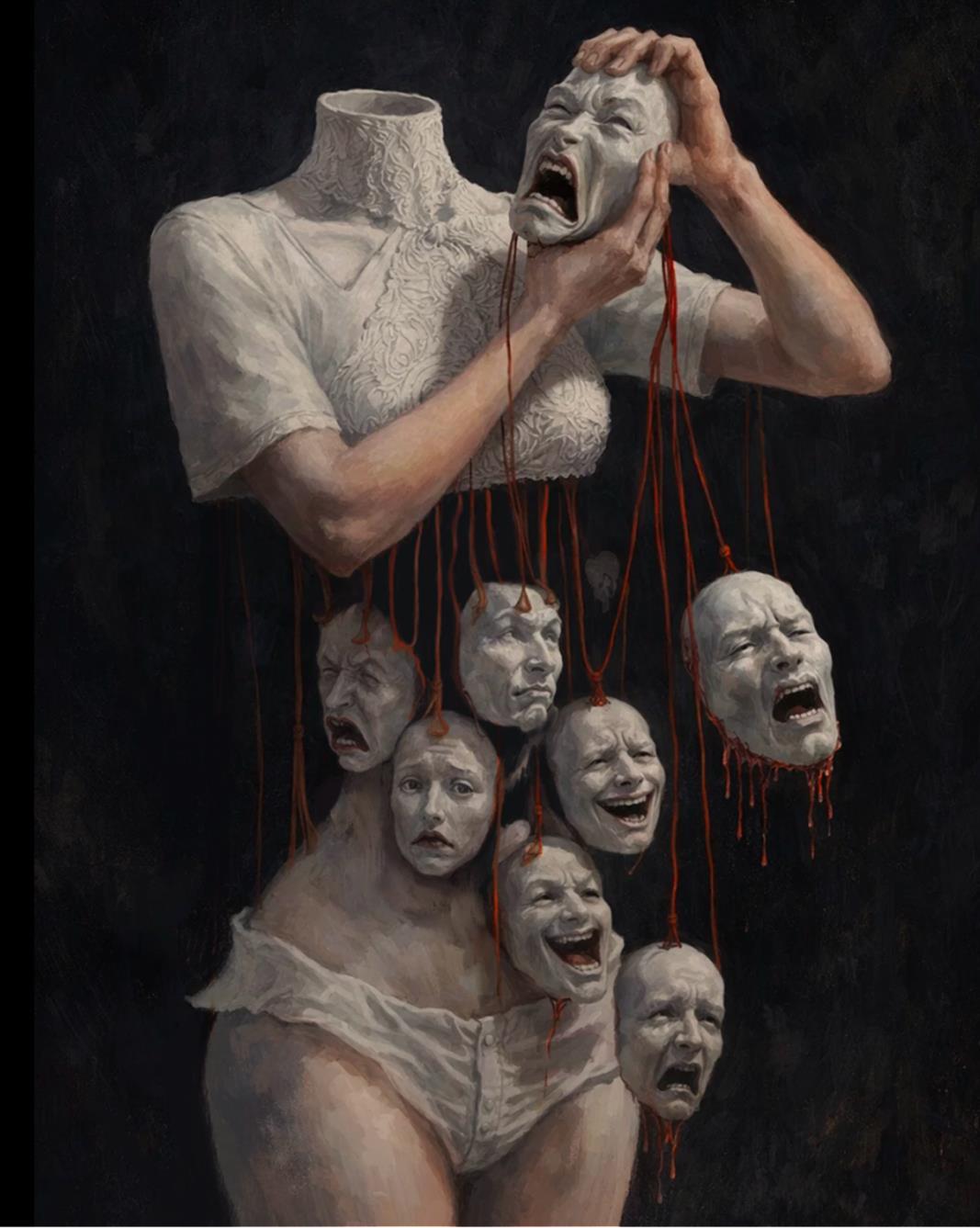
In the idol industry, artists are not merely selling music; they are selling an idealised, commodified version of themselves. They are expected to remain perpetually available, perpetually cheerful, and morally unimpeachable. The slightest deviation from this ideal - a perceived lack of enthusiasm during a broadcast, a change in physical appearance, or the revelation of a romantic relationship - can trigger swift and severe backlash.
This environment is exacerbated by the phenomenon of sasaeng fans - obsessive individuals who engage in stalking, privacy invasion, and harassment under the guise of fandom. The constant threat of surveillance, both from malicious anti-fans and overzealous supporters, creates a baseline of anxiety that many artists find suffocating. They are forced to perform their personas twenty-four hours a day, a demand that inevitably fractures the boundary between their authentic selves and their public identities.
Legislating Well-being: The Evolution of the Contract
For much of the 2000s and 2010s, the structural foundation of the K-pop industry was underpinned by what the South Korean media grimly termed ‘slave contracts’ (noye gyeyak). These were notoriously one-sided, long-term agreements that bound artists to their agencies for up to thirteen years, offering minimal profit-sharing and imposing draconian penalties for early termination.
The push for reform has been slow but necessary. Following several high-profile legal battles in the late 2000s, South Korea’s Fair Trade Commission (FTC) introduced standard contract guidelines, capping the maximum length of exclusive contracts at seven years. While this was a monumental victory for artists' rights, the psychological toll of the industry remained largely unaddressed in legal frameworks until very recently.
The January 2026 revisions to the Act on the Development of the Popular Culture and Arts Industry represent a seismic shift. For the first time, legislative power is being wielded not just to protect the financial interests of the artists, but their psychological well-being. Agencies are now legally compelled to provide robust mental health support, including regular access to professional counselling. The new guidelines also strictly regulate the working hours of juvenile artists, a vital intervention in an industry that increasingly debuts teenagers. This legislative evolution suggests a broader societal recognition that the relentless commodification of youth and talent is ultimately unsustainable without stringent safeguards.
Breaking the Silence
The most powerful catalyst for change, however, has not come from the government, but from the artists themselves. South Korea, like many East Asian nations, has historically maintained a deep-seated cultural stigma surrounding mental health. Psychological distress has often been mischaracterised as a personal weakness or a lack of resilience. In the past, when an idol suffered from severe burnout or depression, their agency would typically release a vague statement attributing their absence to "fatigue" or "poor physical condition."
Today, that paradigm is shifting. Over the last few years, a growing number of high-profile K-pop stars have bravely broken the silence. Artists such as TWICE’s Mina and Jeongyeon, Red Velvet’s Joy, and soloist Kang Daniel have publicly taken hiatuses specifically citing anxiety, panic disorders, and depression. By naming their struggles, these artists are performing a radical act of destigmatisation.
Their vulnerability has forced the industry to confront its own toxicity. When an idol speaks candidly about the crushing weight of public expectations, it shatters the illusion of the flawless, untroubled pop star. It humanises them in a way that resonates deeply with a younger generation of South Koreans who are themselves navigating immense academic and professional pressures. For more on how the nation’s artists are reflecting societal shifts, explore our broader coverage of South Korean cultural exports.
The Economics of Compassion
Interestingly, the push for better mental health and fairer contracts is increasingly being driven by the economic engine of K-pop itself: the fandoms. The relationship between K-pop fans and agencies is complex and highly interactive. Modern fandoms are highly organised, politically astute, and fiercely protective of their chosen artists.
Where fans once demanded endless content and uninterrupted perfection, many are now actively advocating for their idols’ well-being. It is no longer uncommon to see fan coalitions boycotting merchandise, trending global hashtags, or hiring protest trucks to park outside agency headquarters, demanding that an overworked artist be given adequate time to rest. Agencies are slowly realising that ignoring the physical and mental health of their artists is not only morally indefensible but economically reckless. A burnt-out idol represents a catastrophic loss of investment, and alienating a protective fan base can irreparably damage an agency’s brand.
This shifting dynamic suggests that a more sustainable model of contemporary music culture is possible - one where the artist's humanity is not treated as an obstacle to their success, but as a core component of it.
The Road Ahead
The road ahead requires more than just legislation. It demands a continuous cultural shift, driven by courageous artists speaking their truth, fandoms demanding accountability, and agencies prioritising long-term well-being over short-term profit. The glittering dominance of K-pop on the global stage relies on the extraordinary talent and resilience of the artists who bring the music to life. If the industry wishes to maintain its global cultural influence, it must finally recognise that its brightest stars are not indestructible commodities, but young adults who require the same care and protection as the fans they inspire.