To review an album, listen to the whole record several times in the order the artist chose, take notes tied to specific tracks and moments, then write a judgement that a reader can test against the music. The best reviews describe what the record sounds like, explain what it is trying to do, and say plainly whether it succeeds, with evidence from the songs themselves. A score or star rating is optional; the argument is not.
Why the album still deserves a full review
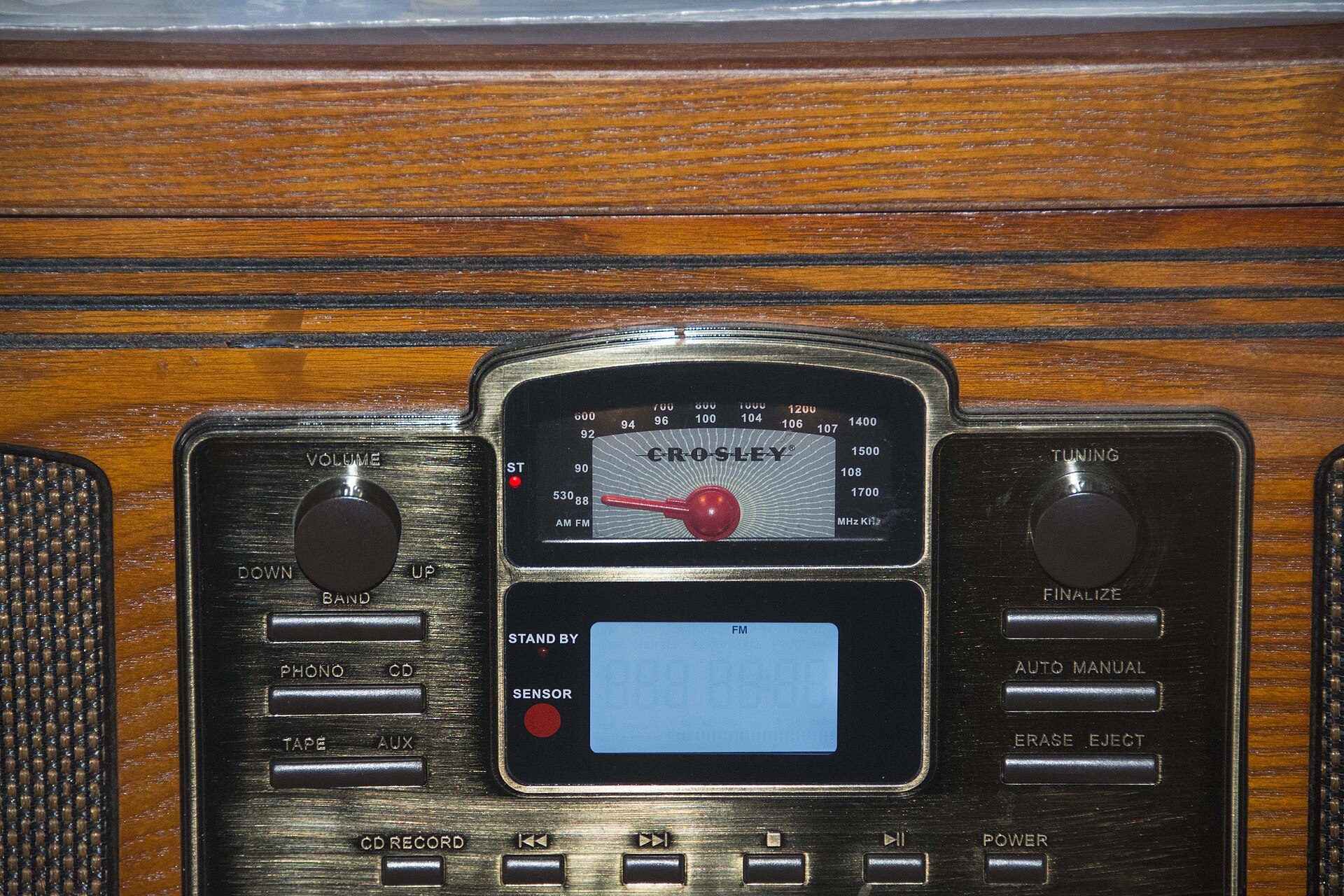
The album began as a physical problem. Before 1948, a 78 rpm disc held about three minutes a side, so record companies sold sets of discs bound together like a photo album, which is where the word comes from, according to the history of the album format. Columbia Records introduced the 12-inch long-playing record in 1948, and each side of a 12-inch LP could run for about 25 minutes. That gave artists roughly 50 minutes to shape, and from the mid-1960s the album became the main unit of recorded music, a period the industry calls the album era.
Streaming changed how people hear songs, but not the case for treating an album as a single statement. On 22 October 2026 RAYE won the Mercury Prize for THIS MUSIC MAY CONTAIN HOPE., and the judges said the shortlist showed "how the album continues to be the ideal format for an artist or group wishing to get their artistic statement out into the world", according to the Mercury Prize announcement. They singled out the record's "scale, structure, ambition", and noted that it is divided into four sections. That is a useful reminder for any reviewer: structure is part of the work, and a review that treats an album as a bag of singles misses it.
Listen in order, and more than once
Your first listen should be the album as released, start to finish, with no shuffle. This matters for a technical reason as well as an artistic one. Spotify's guidance on loudness normalisation explains that it normalises an entire album at the same time, so quiet tracks stay as quiet as the artist intended, but adjusts individual tracks when you shuffle or listen through a playlist. Its default level is -14 dB LUFS, and Premium listeners can switch to "Loud" (-11) or "Quiet" (-19) (checked October 2026). Shuffle can quite literally flatten the dynamics you are meant to judge.
After that first pass, listen again in different settings: on good headphones, on speakers in a quiet room, and once in the background while doing something else. Each reveals different things. Headphones expose production detail and stereo placement; speakers show you how the low end behaves; background listening tells you which songs insist on your attention.
There is no fixed number of plays, but Robert Christgau, who wrote his letter-graded "Consumer Guide" reviews for The Village Voice from 1969 to 2006 according to his Wikipedia biography, set the bar in his own definitions. On his key to the Consumer Guide grades, an A+ is a record that "has invited and repaid repeated listenings in the daily life of someone with 500 other CDs to get to". Repeated listening is the test, not a courtesy.
Take notes that point to moments
Notes are evidence, so they should point to a place in the record. "Track 4, 2:10, the drums drop out and the vocal is left almost dry" will help you later. "Moody" will not. A simple frame for each track:
- Where: track number, title and timestamp
- Sound: instruments, tempo, texture, production choices
- Words: what the lyric is about, one line worth quoting
- Effect: what the passage does to the listener
- To check: anything you need to confirm (a credit, a sample, a lyric)
If you lack the technical vocabulary, plain words do the job: thin, dry, crowded, distant, clipped, warm. Be specific about where the sound comes from. Mastering is a real subject for critics. The loudness war entry records that Metallica's Death Magnetic (2008) drew wide criticism because its CD version pushed peaks beyond the point of digital clipping, and that when mastering engineer Bob Ludwig offered three versions of Chinese Democracy, the co-producers chose the least compressed one. If a record sounds harsh or exhausting, say so and say why.
Check facts as you go. Read the credits for producer, engineer, featured players and samples, and confirm release date and label before you mention them. Liner notes and official artist pages are the safest sources; a press release tells you what the label wants you to think, and is a starting point rather than a verdict.
Build the review around an argument
A strong album review has a central claim in its first paragraph and spends the rest of its length proving it. A reliable shape, which you can bend to suit the record:
- Opening: artist, title, the one-sentence verdict, and the context that matters
- What it sounds like: the sonic world of the record, with two or three concrete examples
- What it is about: lyrics, themes, persona, and how the sequencing supports them
- Where it falters: weak tracks, ideas that do not land, production that gets in the way
- Close: who the record will reward, and how it sits in the artist's work so far
Group tracks rather than marching through them one by one. Readers need to know which songs carry the record and which can be skipped, not a summary of each. Length depends on the outlet: Christgau compressed whole albums into capsule reviews of a paragraph, and his grade definitions show how much judgement can fit into a short space. An A, he writes, is "a record that rarely flags for more than two or three tracks", while a B+ is "remarkable one way or another, yet also flirts with the humdrum or the half-assed". Even if you never use letter grades, those sentences model the habit of saying exactly what a judgement means.
Describe sound, then connect it to meaning
Description comes first, interpretation second. "The guitar is soaked in reverb and mixed behind the voice" is description. "The distance makes the singer sound alone in the room, which matches songs about the end of a relationship" is interpretation, and it is only convincing if the lyrics or the sequencing back it up. Quote a line, briefly, when you claim a lyric is powerful; let the reader see it.
Comparisons help when they are narrow. Name the shared trait (the tempo, the vocal phrasing, the drum sound, the way an arrangement builds) rather than the famous name alone. Compare the record with the artist's earlier work before you compare it with anyone else's. For a debut, ask whether it establishes a voice; for an established artist, ask whether the record extends or repeats what came before.
Genre conventions matter too. A jazz record may need attention to improvisation and the interplay between players, a rap album to flow, delivery and narrative, an electronic record to texture and how tracks are built over time. The 1990 guidance that New York Times critics gave the World Music Institute, quoted in the history of music journalism, still holds for unfamiliar styles: relate the music to music readers know, treat it as human activity rather than a mystery, and show an understanding of its cultural background and intentions.
Be fair, be honest, separate fact from opinion
Criticism is opinion, but it rests on facts the reader is entitled to trust. The National Union of Journalists' code of conduct asks journalists to ensure information is "honestly conveyed, accurate and fair", to differentiate between fact and opinion, to resist "inducements to influence, distort or suppress information", and to avoid plagiarism. All four apply directly to reviewing. Get the credits right, mark your opinions as opinions, and do not let access to an artist or a label soften a verdict.
Negative reviews are part of the job. Lester Bangs, the critic later described by Jim DeRogatis as "America's greatest rock critic", began freelancing in 1969 when Rolling Stone published his negative review of the MC5's Kick Out the Jams, according to his Wikipedia biography. The lesson is not to be harsh for effect. It is that a clearly argued negative review, tied to what the record actually does, serves readers better than vague politeness.
Fairness also means judging the record that exists, not the one you wished for. If an album is aiming at something you do not personally enjoy, describe the aim, judge how well it is met, and tell readers who will like it.
Scores, ratings and the wider conversation
Decide before you write whether you will use a rating, and keep the scale consistent. A score is a summary of the argument, not a replacement for it. Your verdict may also feed into aggregators: Metacritic explains on its about page that it assigns scores to critics' reviews and calculates a weighted average, the Metascore, to represent critical consensus for albums as well as films, games and television. That is one more reason to make your number match your words.
Critics' polls show how individual reviews add up. The Village Voice's Pazz & Jop poll, created by Christgau, ran for 1971 and then each year from 1974 to 2018, built from hundreds of critics' top ten lists. Its odd name was chosen so that critics would judge a work on its own merits rather than by genre. That is good advice for a single review as well.
Prize judging works on similar principles. The Mercury Prize explains its process: an independent panel listens to the albums entered over many months, chooses 12 "Albums of the Year", and bases its decisions "solely on the quality of the music on the albums" (checked October 2026). The 2026 panel included working critics, among them Will Hodgkinson, chief rock and pop critic of The Times.
Revise before you publish
Read the draft aloud. You will hear repeated words, lazy adjectives and sentences that run out of breath. Then check:
- Does the first paragraph state the verdict?
- Is every strong adjective backed by a moment in the music?
- Are names, titles, dates, credits and lyric quotations correct?
- Have you said who the album is for?
- Would a reader who disagrees with you still understand what the record sounds like?
Cut anything that repeats the press release or the artist biography without changing how the music is heard. Then listen once more with the finished draft in front of you. If the record and the review no longer match, the review is the one that needs to change.
For more on criticism as a discipline, see the essays and reviews by literary and art critic Maria Bregman, and our wider coverage of music and culture at artculture.uk.
Photo: Melissa Ursula Dawn Goldsmith, CC BY-SA 4.0, via Wikimedia Commons