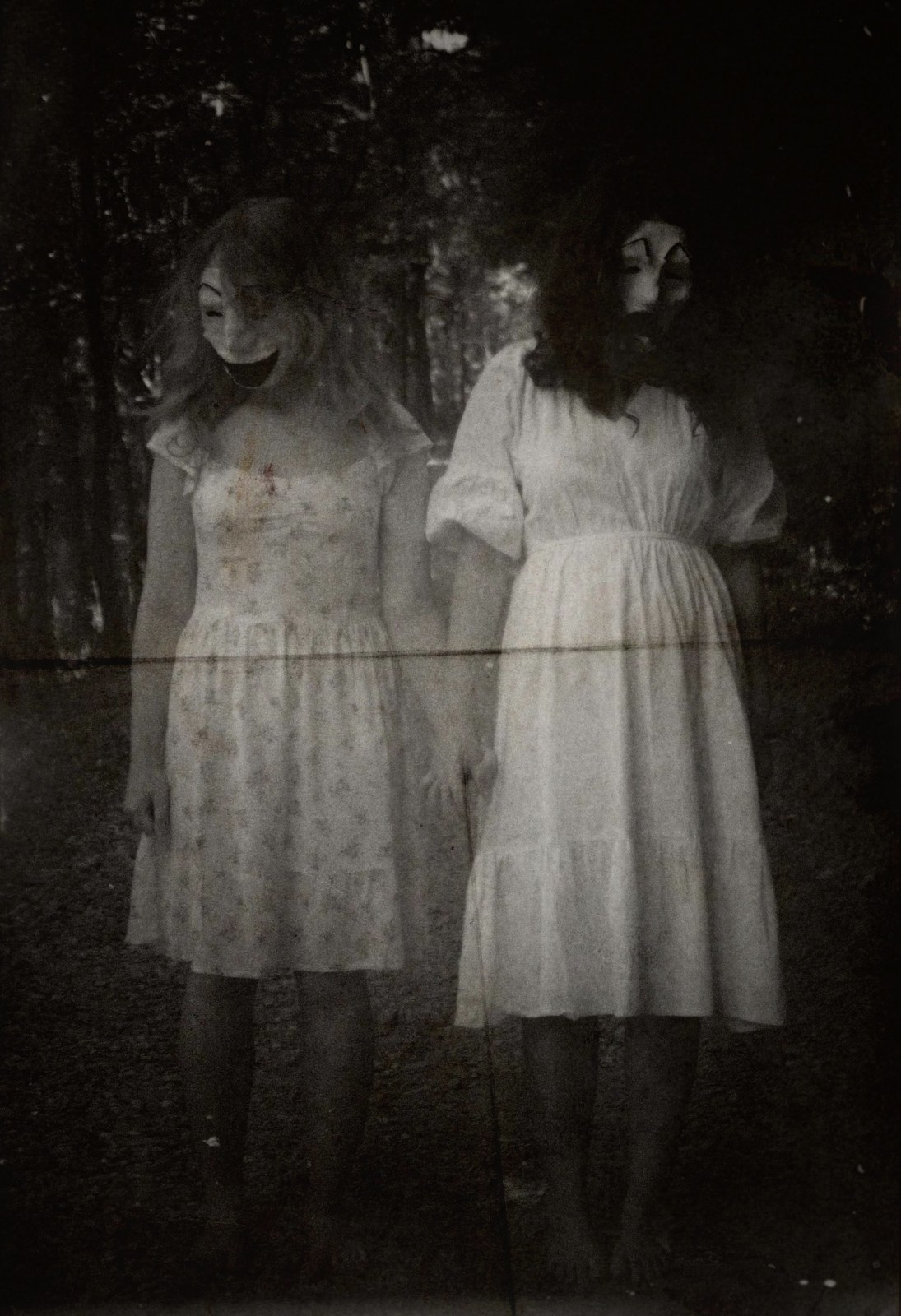
Maeva Var is a filmmaker and visual artist whose work explores psychology, identity, vulnerability and trauma, and the darker sides of human experience. Working across film, conceptual photography and handmade objects, she makes atmospheric, surreal images that combine psychological themes with elements of horror and fine art. We asked her where a work begins, and why she still makes things by hand.
Where does a work begin for you: a dream, a memory, the body, or something else?
I don't have one specific source of inspiration. Sometimes an idea comes to me in a dream, sometimes friends or people I know share their experiences with me and I later become interested in exploring them. I can also come across an article or a book that introduces me to a subject I want to talk about. And I take inspiration from my own experiences: my essays The Catastrophe That Never Came and The End? were both written after I had experienced panic attacks. Once I had processed those experiences and gathered my thoughts, I decided to share my reflections. Most of my ideas come from personal experience, or from the experiences of people close to me. Inspiration can come from almost anywhere.
Choose one piece and tell us how it was made.
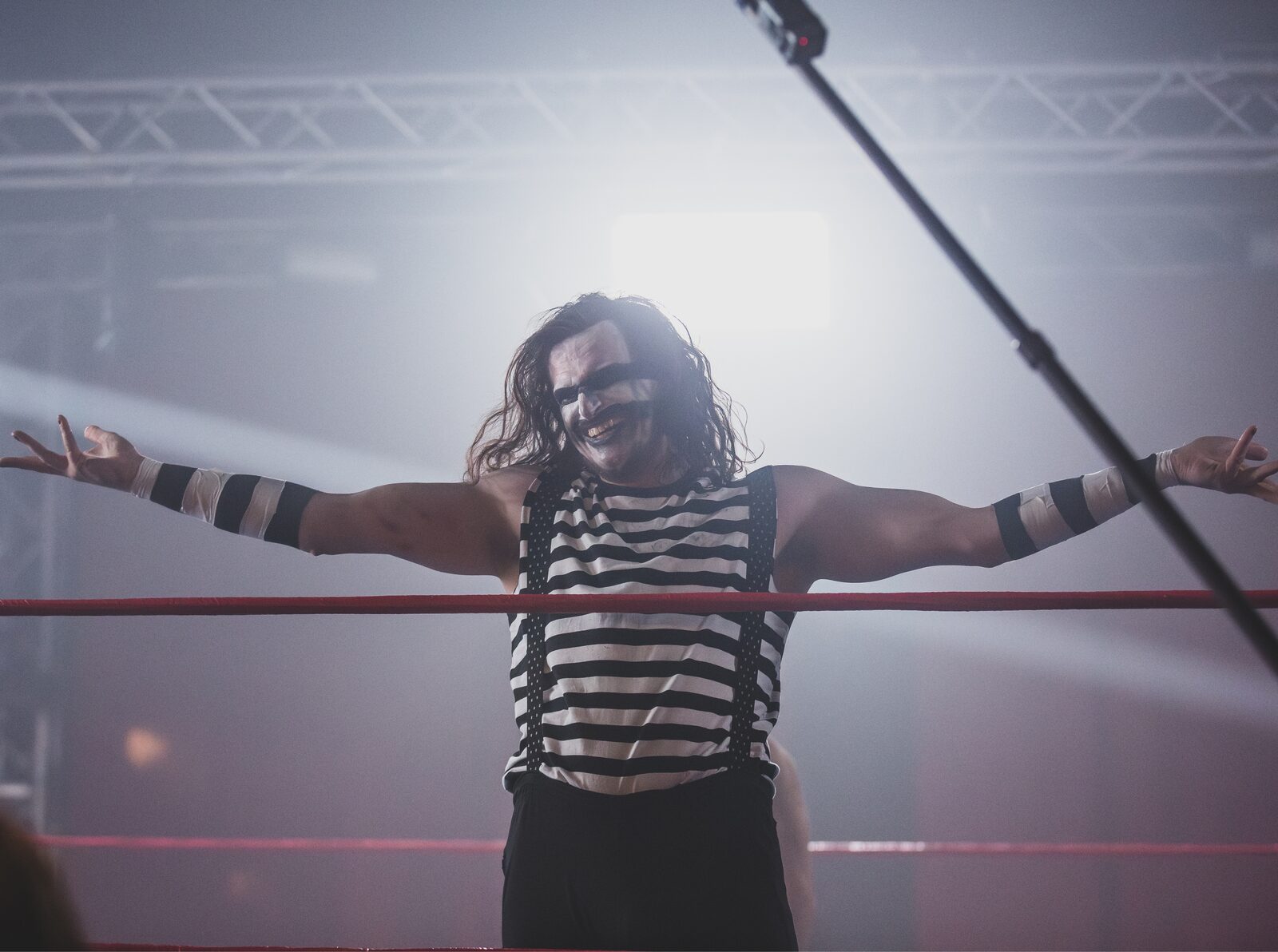
My short film ANXIETY: Someone's There. The idea had been in my mind for a long time, going back to the period when I was having panic attacks, but the film focuses more on the feeling that someone is watching or following you. As a teenager I read Franz Kafka's The Trial, and I found myself thinking about it again while making the film. What makes Josef K.'s situation frightening is not only that he is being watched, but how he gradually begins to live as if being watched were a permanent part of his existence. I wanted to explore a similar sense of being watched, but to give it a physical form, so I created a separate monster character. At first the monster seems kind, almost protective, but as the story develops the main character begins to question whether it was ever there to protect him, or whether it always intended to cause harm. One of the most interesting moments in filming was a small problem with the costume. We had gloves with huge claws, but the medical gloves I had chosen kept tearing. We had no other option, so we attached the claws to the actress's fingers with electrical tape. She wore them for seven hours without taking them off.

Why handmade sculpture alongside photography and film? What can each do that the others cannot?
I enjoy making things with my own hands. I feel that handmade objects will always carry more soul than things made with new technologies such as 3D printing, and I genuinely love the process itself. With photography, someone looking at a series can interpret the story in their own way. With all my photographic projects I also include a written story, which I think helps the viewer's imagination: just as when reading a book, people can create almost their own world from my characters and ideas. Film is a more specific, directed form of storytelling; the viewer is given a more defined experience. I love both. But I also feel that digital technologies cannot always convey the same depth as something made by a person. Digital work can feel flat or too predictable to me. I find something very special in the imperfections and human touch of handmade work.
Which artists or films taught you the most about dreams and surrealism, and where do you part ways with them?
I could talk about this for hours. One of the biggest influences on me has been Francisco Goya. I deeply admire his darker works and the way he explored the darker side of human nature; I even own a book of his Los Caprichos. Among writers I would name Franz Kafka and, perhaps unexpectedly, Leo Tolstoy. I admire the way Tolstoy explored moral contradictions and the reasons behind people's actions; two of my favourite works are Father Sergius, about temptation and moral values, and The Devil. I often return to similar questions in my own work. Oliver Sacks has influenced me too, more from a medical and psychological perspective: his approach to the human mind, and to how our brains shape our perception of reality. In cinema, I particularly admire Robert Eggers and David Sandberg, for the atmosphere they create and the way they approach horror and visual storytelling. But I don't want to follow exactly the same path as any of them. What interests me most is making something in which viewers can find their own experiences, fears and emotions. I don't want to tell people exactly what they should feel. I would rather give them an image or a story and let them build their own interpretation.
What are you working on now?
My first stop-motion animation. I've wanted to try it for a long time, and eventually I realised I should stop putting it off and just give it a try. I have a lot of ideas and plans, so I hope everything will come together and move forward in its own time.