By Yulia Tulegenova
December in London is two cities running at once. One is the city of illuminated streets, skating rinks and queues for hot wine, which arrives on schedule and behaves exactly as expected. The other is a city of nearly empty galleries holding some of the strongest exhibitions of the year, most of which are about to close. The second city is the one worth planning for, and almost nobody does.
The last chance shows
Three major exhibitions reach their final weeks around the turn of the year, and December is the last month to see them without competing with a closing-week crowd.
Frida: The Making of an Icon closes at Tate Modern on 4 January 2027. Organised with the Museum of Fine Arts, Houston, it takes on the hardest problem in showing Kahlo, which is that the image has almost entirely eaten the painting. Whether the exhibition solves that is a fair argument to have in the rooms.
Ana Mendieta at Tate Modern runs to 10 January 2027. Mendieta's work is difficult in a way that rewards an unhurried visit: the films and earth-body pieces need time and quiet, and December afternoons supply both.
The National Gallery's Impressionism and oil painting exhibition runs to 31 January 2027, and Light and Magic: The Birth of Art Photography continues at Tate Modern until 14 February. Julio Le Parc remains at Tate Modern into May, which makes it the one major show in this list that does not need to be squeezed into the holidays.
What opens rather than closes
Early Netherlandish Painting opened at the National Gallery on 21 November and runs to 11 April 2027, which makes it the winter's long exhibition and the one to keep in reserve for January, when everything else has shut.
It is also the show most likely to be underestimated. Early Netherlandish painting is where oil paint learned what it could do, and the technical leap it represents is more radical than anything the Impressionists managed four centuries later. The rooms are quiet, the pictures are small, and the reward is proportional to the attention brought to them.
The festive city, honestly assessed
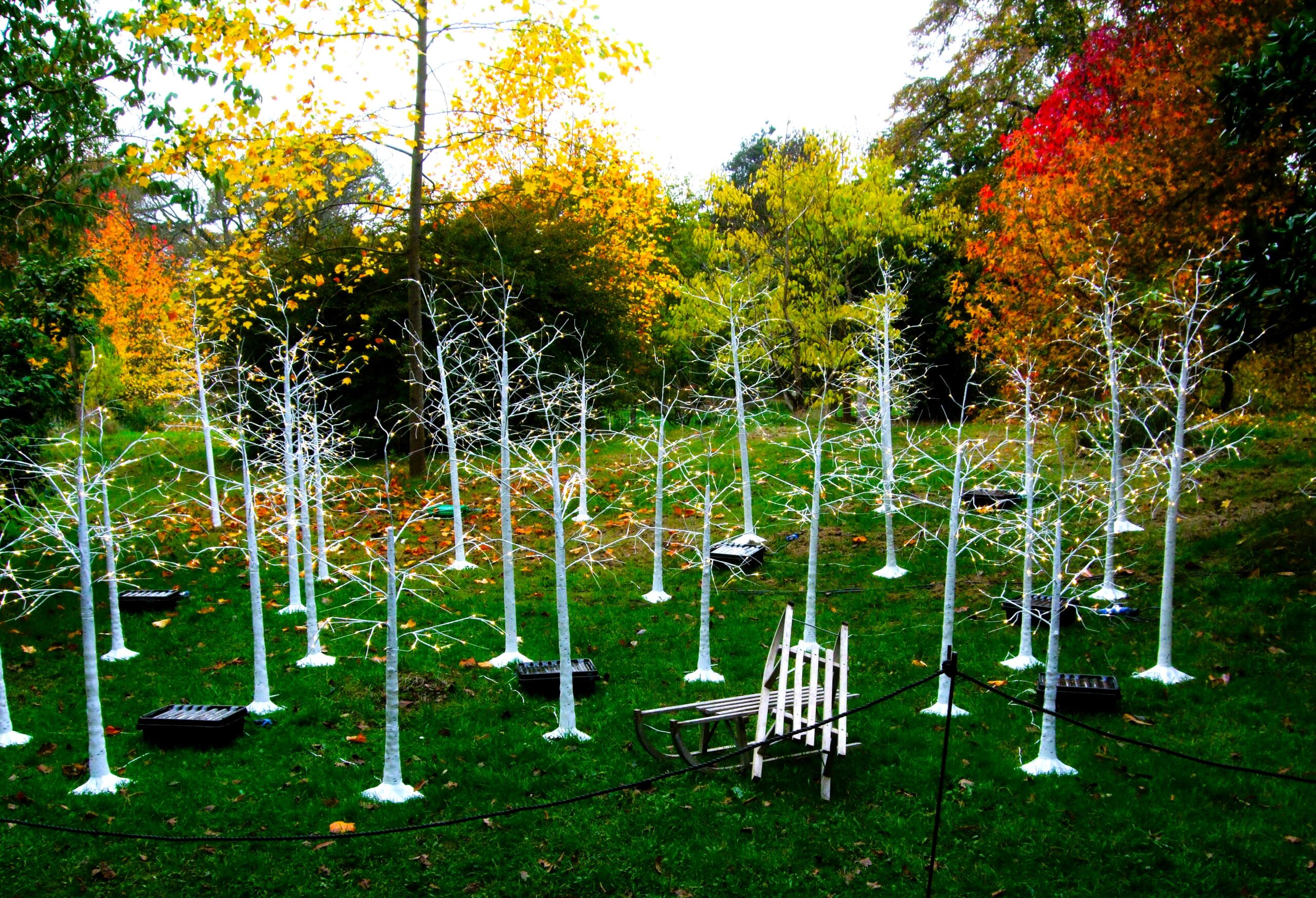
Christmas at Kew is the largest and best-executed of London's light events, running through the month with illuminated installations, colour tunnels, soundscapes, a fairground and the expected quantity of mulled wine. New for 2026 are adult-only evenings on 3 and 9 December, which is a sensible acknowledgement that the trail is beautiful and that a certain proportion of the audience would like to walk it without a pushchair.
Hampton Court Palace runs its Festive Fayre across two weekends with more than a hundred artisan stalls, street food and live music, and the Winter Palace takes over the state apartments with mythical beasts including a panther, a winter phoenix, a unicorn foal and a dragon guardian, staged with interactive installations and live performance. It is theatrical rather than historical, and it works on its own terms.
The street lights on Regent Street and Carnaby Street are free, reliably good, and best seen on a weekday evening. The skating rinks are expensive, oversubscribed and cheerful.
The case for the empty week
The stretch between Christmas and New Year is the most underused period in the London cultural calendar. Museums that open at all in that week operate at a fraction of normal attendance. The people who might otherwise fill them have left the city or are at home. Opening hours are irregular and need checking, but the reward for the checking is a major exhibition experienced almost alone.
This is the correct week for the shows that demand quiet. Mendieta needs it. Early Netherlandish painting needs it. Frida, which will be crowded every other week of its run, becomes a different exhibition when there are fifteen people in the room instead of a hundred and fifty.
How to shape the month
December divides cleanly. The first three weeks belong to the festive city: book the light trails early, because they sell out, and treat them as evening events rather than cultural ones. The last ten days belong to the galleries.
Two practical notes. Check opening hours for every institution between 24 December and 2 January, because they vary and the published times change. And book the closing shows now rather than in January, when Frida and Mendieta enter their final fortnight and the audience that has been meaning to go all year arrives at once.
The city is at its most photographed this month and at its most available. Those two facts are not in tension; they simply apply to different parts of it.