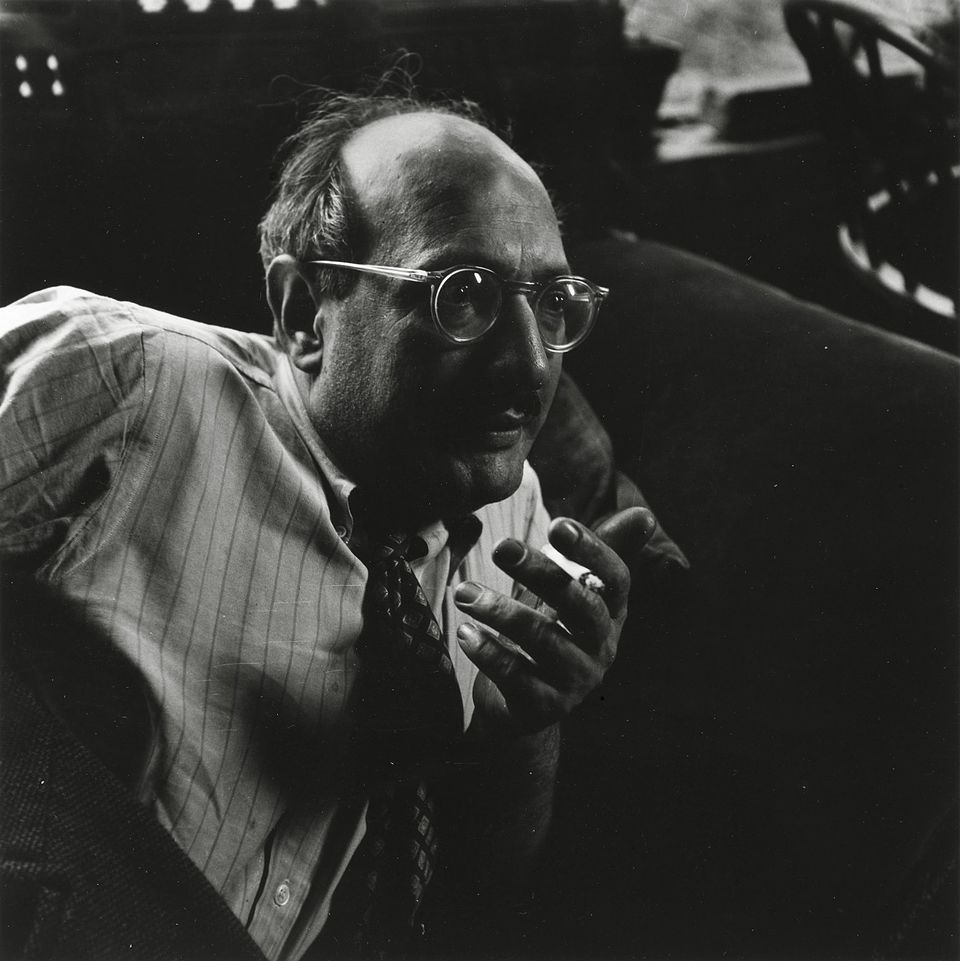
By Yulia Tulegenova, artist and art critic
Unfortunately, the last year's Parisian retrospective dedicated to one of the most influential abstract painters of the XX century Mark Rothko became a complete failure. Personally, I did not go to see it; I just missed it and decided not to visit anyway. I just did not want to fight with other visitors who were taking photos of the large squares of red paint using their smartphones. Missing exhibitions always becomes the modern artists' guilt. Moreover, such guilt turns an artist into a lazy critic who is unable to perform their work properly. However, the art world will move on without him. There will be just expensive canvas bags in bookstores for several months.
Fortunately, there was one more chance to enjoy this painter's creativity. It took place in Florence, Italy. Actually, it is much better than the retrospective in Paris. One of the most interesting facts about the current exhibition is that Mark Rothko's artworks will be exhibited in Florence between 14 March 2026 and 23 August 2026. The difference is huge because Rothko's paintings will be placed in the city that actually formed his vision.
Actually, the American art system always tries to protect its own myths. For example, there is a very stubborn and romantic image of abstract expressionists. People usually think that they drank alcohol in New York bars, fought with each other, and created modern art from their post-war depression. Furthermore, people treat them like real cowboys. However, this is a complete lie. In reality, it is just a comforting story to make the 1950s look very original.
Personally, I can say that Rothko was deeply interested in the Italian Renaissance. Moreover, he really liked the Quattrocento period. Therefore, looking at his great masterpieces placed in the city where the Renaissance is a real thing is a big revelation. To be honest, he did not create his red and black colors from nothing. He often said that early Renaissance art changed his mind completely. Also, he paid attention to the architecture in Florence and the colors used by monks in the 15th century. Actually, he just copied it. He changed the old plaster into oil paint. Fortunately, the current exhibition helps you to see this copying process very clearly.
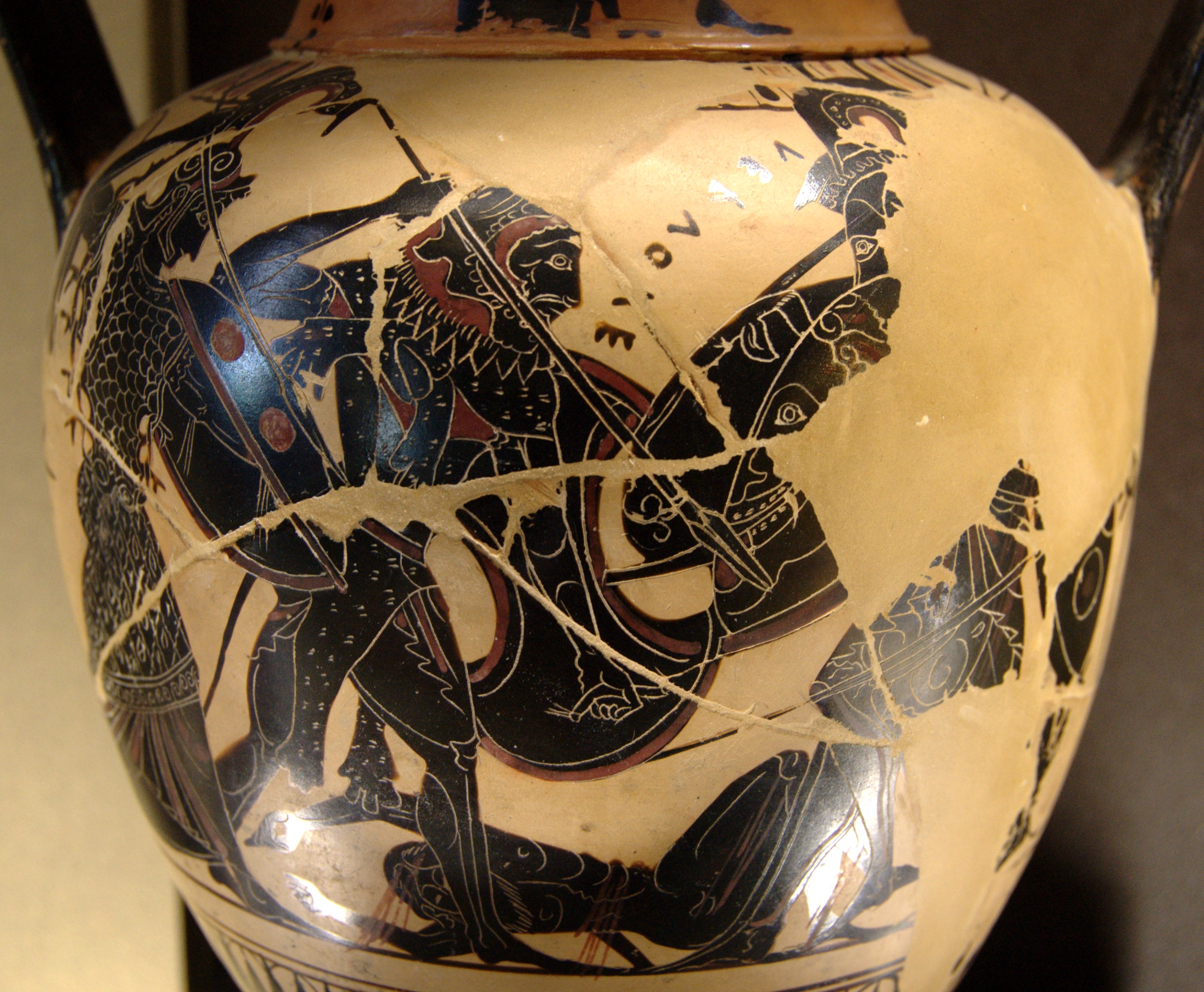
One of the most important parts of this huge exhibition is located in the Palazzo Strozzi. When you enter the courtyard, the heavy building presses on you. Actually, it is a fortress that looks like a palace. Inside, the organizers have collected more than 70 artworks from his life. For instance, you can see early figurative paintings. There, he tried to use Greek myths and dark subway stations to find his style. After that, you will see his famous abstract works. Usually, these big paintings with different colors are placed in white museums with climate control. There, they look like very expensive carpets. However, here in the Palazzo Strozzi, they look like real architecture or doors. Consequently, you understand that he painted walls, not just emotions. He wanted to create spaces where people could stay.
Besides, the Palazzo Strozzi is just the beginning. Another interesting fact is that the organizers decided to put five of his paintings inside the San Marco museum. Actually, it is an old convent. In the past, Fra Angelico created small frescoes in the monks' rooms to help them pray. These rooms are very small and uncomfortable. Furthermore, the silence there makes you whisper. Therefore, putting Rothko's paintings in these rooms is a very brave decision. Both artists wanted to paint God or the empty place without God. Fra Angelico used gold, while Rothko used dark colors. So, when you stand in a small room and look at both paintings, you realize they are exactly the same.
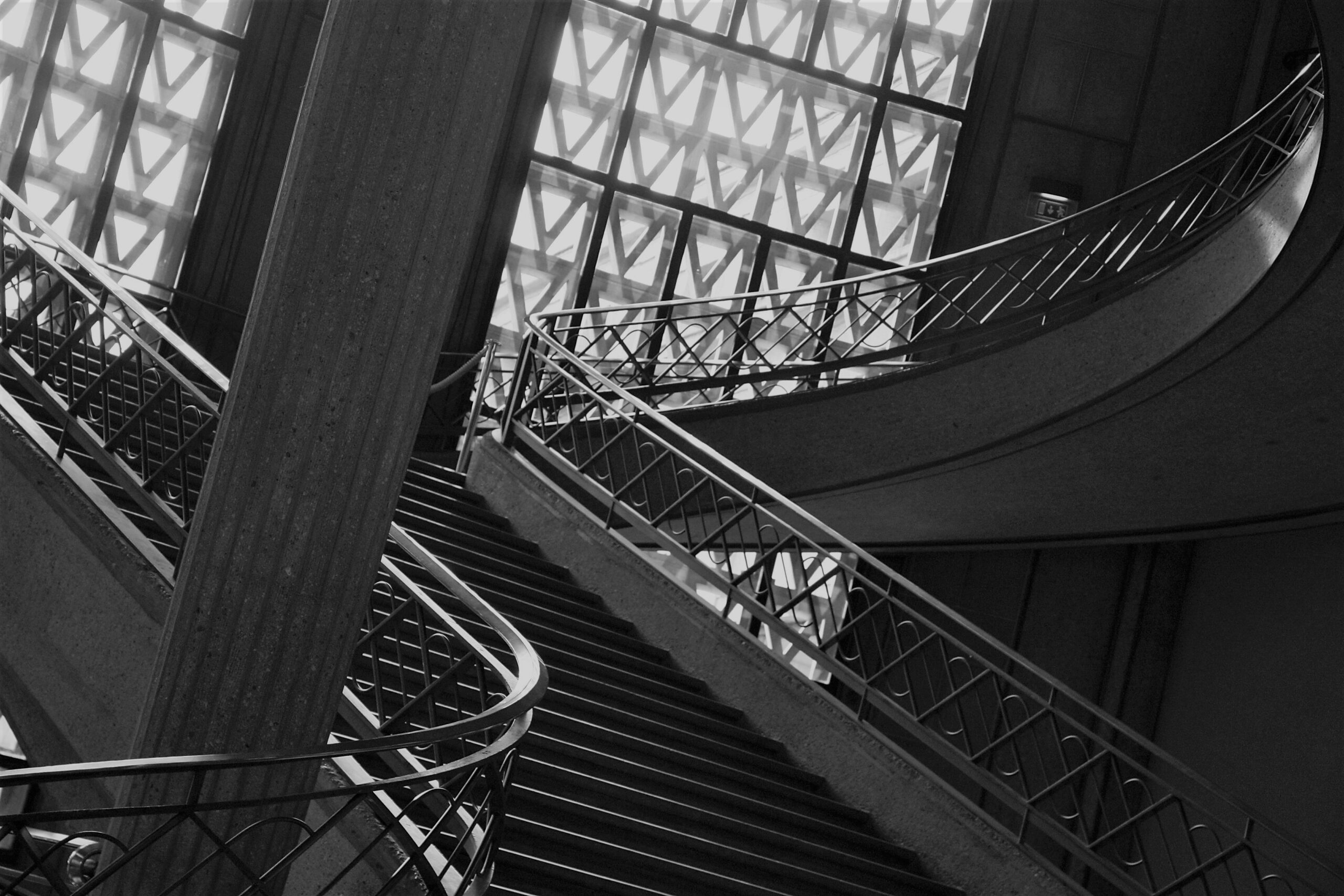
Moreover, this idea continues in the Laurentian Library. Michelangelo created the vestibule there. Usually, it is known as a very uncomfortable room. The stairs look like stone, and the columns are hidden in the walls. It feels like the room wants to crush you. Actually, Rothko visited this exact room in the 1950s. The heavy design changed him a lot. Later, he was asked to paint for a restaurant in New York, but he hated the rich people there who ate expensive meat and ignored art. Therefore, he thought about Michelangelo and wanted to make those diners feel trapped. Fortunately, the organizers put two of Rothko's paintings in this vestibule.
In conclusion, you stand on the cold floor and look at the paintings. It is a big argument across time about using space to change human emotions. Michelangelo used stone, and Rothko used paint. However, the result is the same heavy feeling in your stomach. Nowadays, people look at art on their small phones. For example, we swipe pictures while taking a train. Unfortunately, you cannot understand the real size or texture of a painting through a phone screen. You need to go there. Therefore, if you travel to Italy, you should visit this exhibition. You will walk on the same streets as Rothko. Personally, I do not care about the Paris exhibition anymore. In Florence, modern art meets old Italian history.