The intersection of royal prerogative and contemporary cultural production has historically been one of quiet benefaction - a ceremonial ribbon cut, a plaque unveiled, a polite endorsement of the established arts. Yet, the recent outputs of Prince William’s Homewards programme mark a decisive departure from this tradition. By launching a two-part ITV documentary series, Prince William: We Can End Homelessness, alongside a major exhibition at London’s Saatchi Gallery entitled Homelessness: Reframed, the Prince of Wales has explicitly positioned contemporary art and documentary filmmaking as primary instruments for systemic social change.
This is not merely an awareness campaign; it is a calculated effort to dismantle the deeply entrenched, fatalistic narrative surrounding homelessness in the United Kingdom. Spanning five years, the Homewards initiative operates on the ambitious premise that homelessness is not an inevitable facet of modern society, but a structural failure that can be made rare, brief, and unrepeated. By leveraging the cultural capital of the Saatchi Gallery and the mass reach of network television, the initiative bypasses traditional political discourse, opting instead to engage the public imagination directly through the visual arts and factual storytelling.
The Curatorial Vision of Homelessness: Reframed
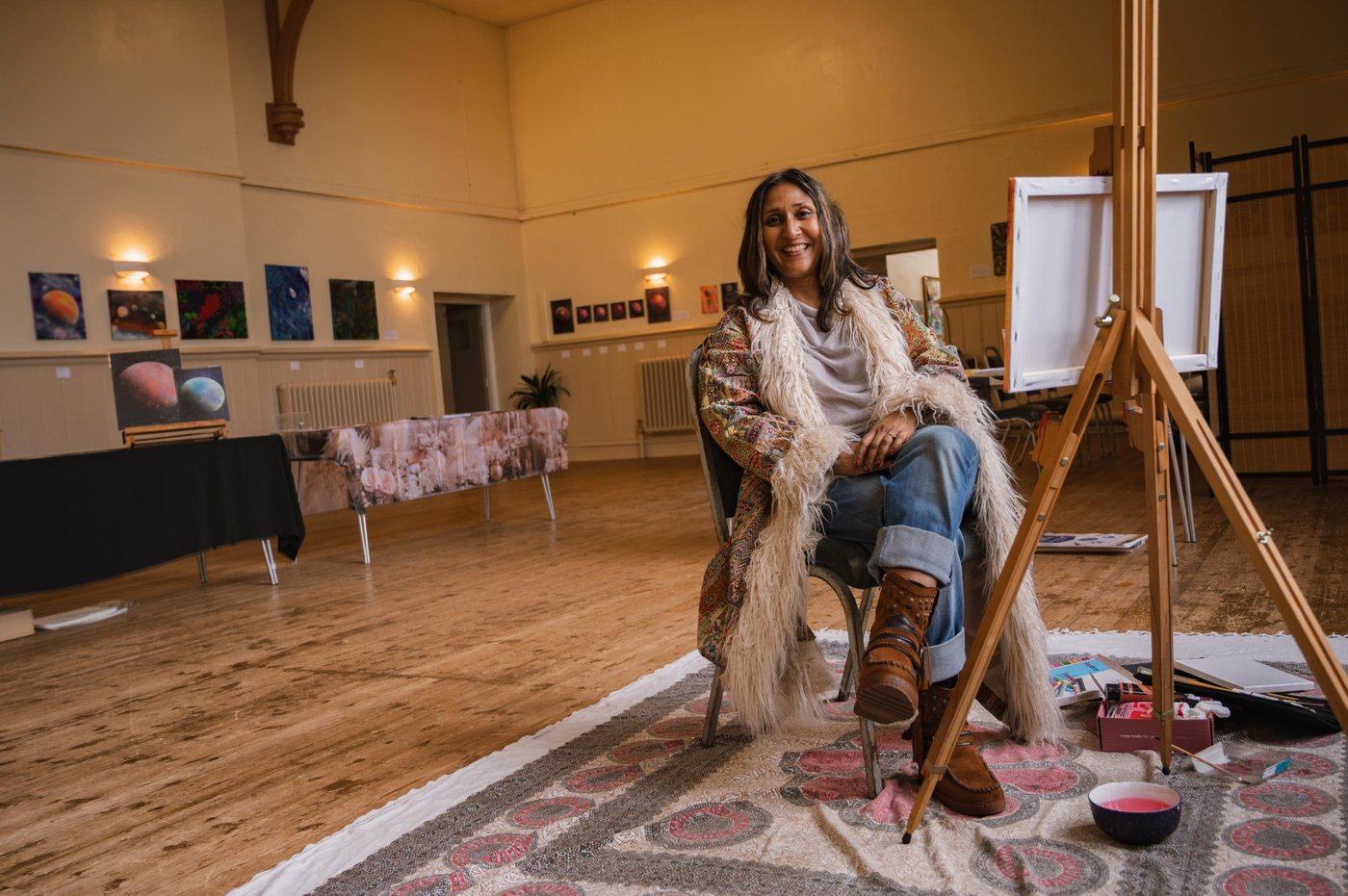
Running from August 7 to September 20, 2024, Homelessness: Reframed transformed the pristine, historically provocative spaces of the Saatchi Gallery into a forum for profound social interrogation. Curated in partnership with the Homewards programme and the Eleven Eleven Foundation, the exhibition successfully avoided the pitfalls of poverty tourism. Instead, it presented a multifaceted, dignified exploration of housing insecurity by placing globally renowned contemporary artists alongside creators who possess direct, lived experience of homelessness.
The inclusion of established figures such as Marc Quinn, Rankin, Philip Colbert, and Simone Brewster lent the exhibition immediate institutional weight. However, it was the structural equivalence granted to these artists and their contemporaries who have navigated the realities of life without shelter that defined the exhibition’s curatorial triumph. This was not a show about the marginalized; it was a show authored, in significant part, by them.
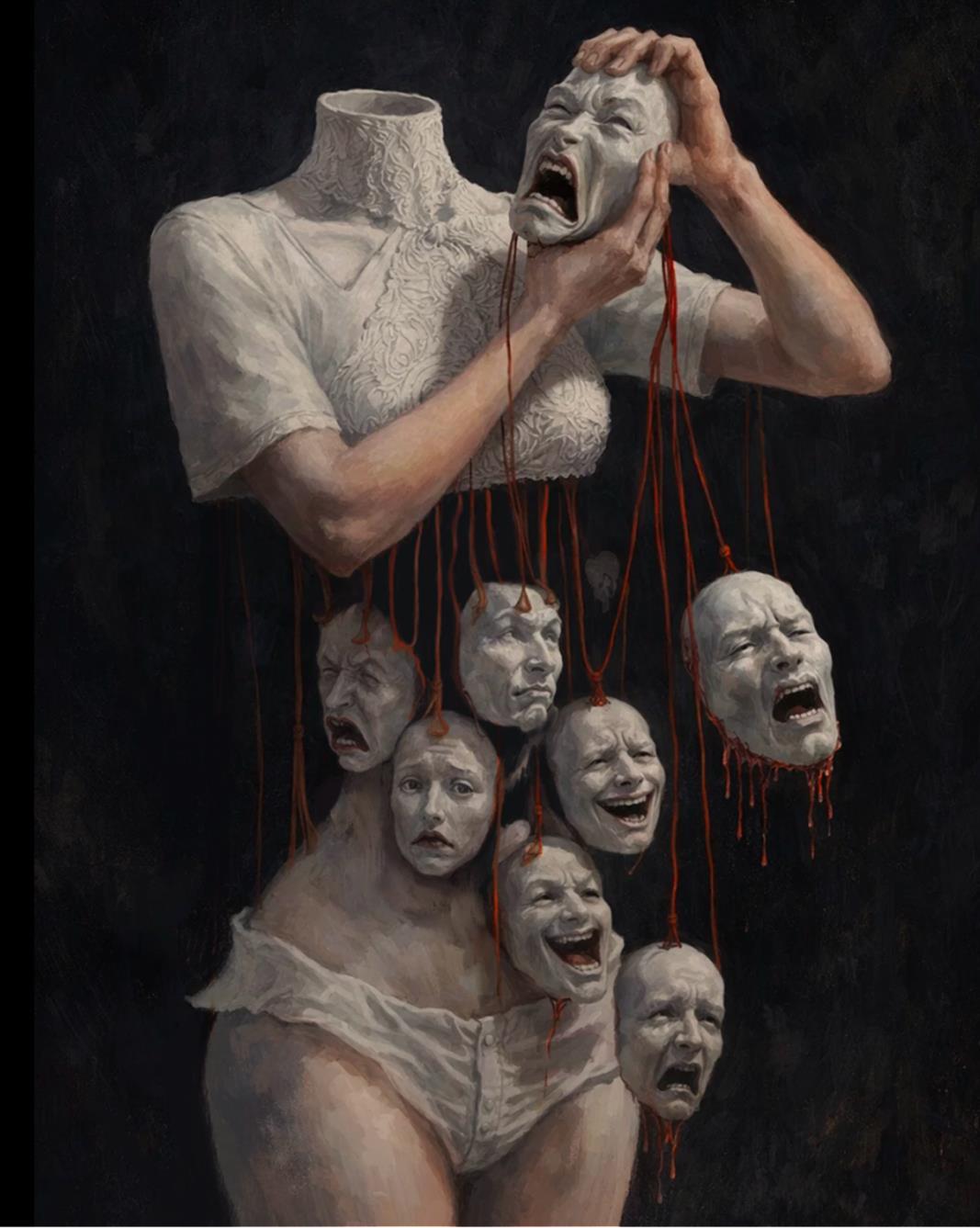
The aesthetic strategies employed ranged from raw social realism to abstract conceptualism. By resisting a singular visual language, the exhibition mirrored the complex, non-linear realities of homelessness itself - a crisis that encompasses hidden homelessness, temporary accommodation, and the visible tip of the iceberg on the streets. The Saatchi Gallery, a venue that cemented its reputation in the 1990s through the shock tactics of the Young British Artists, here served a very different cultural function. It acted as an amplifier for voices typically excluded from the blue-chip art world, utilizing its vast, minimalist rooms to force a confrontation between the spectator and the systemic inequalities of the British housing landscape.
Lived Experience as the Central Narrative
The core philosophical tenet of Homelessness: Reframed was the assertion that authentic representation requires the relinquishing of narrative control to those who have lived the experience. This ethos was evident in the prominence given to artists such as Opake, a graffiti artist whose vibrant, layered works explore the intersections of mental health, addiction, and recovery. His presence in the exhibition disrupted the traditional boundaries between street art and fine art, demanding that the viewer engage with the psychological complexities of displacement rather than merely its physical manifestations.
Similarly, the contributions of social justice artist and educator David Tovey, alongside creators like Robi Walters and Surfing Sofas, anchored the exhibition in lived reality. The project was further guided by creative experts with firsthand knowledge of the subject, notably the acclaimed writer and director Lorna Tucker. Tucker’s involvement ensured that the exhibition did not veer into sentimentality, but maintained a rigorous, clear-eyed focus on the structural drivers of the crisis.
The strategic intent behind this platforming was articulated clearly by Amanda Berry OBE, Chief Executive Officer of The Royal Foundation. As Berry noted during the project's rollout: "People need to believe in change for it to happen. Homelessness can feel like it is hard to prevent, but by building an understanding of the realities of how it impacts so many, we can learn what needs to be done to end it. The exhibition underlines Homewards and The Royal Foundation's dedication to challenging the long-held perceptions around homelessness."
Prince William: We Can End Homelessness – A Documentary Mandate
While the Saatchi exhibition engaged the critical art audience and the metropolitan public, the two-part ITV docuseries, Prince William: We Can End Homelessness, was designed to intervene in the broader national conversation. The documentary form has long been a vital tool in British public broadcasting, used to investigate social failures and hold power to account. In this instance, the genre was utilized to document the foundational year of the Homewards programme as it rolled out across six flagship locations in the UK.
The series offered unprecedented behind-the-scenes access to the Prince of Wales and his operational team. It is a significant piece of cultural programming that charts the evolution of royal duty from symbolic patronage to active, logistical intervention. The documentary highlights the Prince’s direct engagement with individuals possessing lived experience, experts in the housing sector, and community leaders. It explicitly details the structural complexities of the crisis, moving beyond the superficial optics of charity to examine the mechanics of supported housing solutions, including the Prince’s own initiative to develop housing on his Duchy of Cornwall land.
What makes the docuseries particularly compelling is its refusal to offer easy platitudes. It acknowledges the friction inherent in tackling a crisis deeply rooted in economic disparity, a lack of social housing, and a frayed social safety net. By exposing the logistical hurdles and the collaborative effort required to build sustainable housing models, the documentary serves as both an educational resource and a public commitment. It places the royal initiative under the scrutiny of the viewing public, establishing a benchmark against which the five-year Homewards programme will inevitably be judged.
The Role of Contemporary Culture in Social Policy
The dual strategy of a high-profile gallery exhibition and a primetime documentary underscores a sophisticated understanding of how social change is brokered in the twenty-first century. Policy papers and legislative debates, while necessary, rarely capture the public imagination or shift deeply ingrained societal prejudices. Cultural interventions, however, possess the unique capacity to foster empathy, visualize alternative futures, and alter the emotional climate in which policy decisions are made.
By aligning the Homewards programme with institutions like the Saatchi Gallery and ITV, Prince William has effectively mainstreamed the conversation about homelessness. The art exhibition forces a reckoning with the humanity of the unhoused, demanding that they be seen not as statistics or societal failures, but as creators, thinkers, and citizens. The documentary demystifies the crisis, breaking it down from an insurmountable national tragedy into a series of solvable, localized challenges.
Furthermore, this cultural pivot redefines the utility of the monarchy in contemporary Britain. It suggests a model of leadership that leverages unparalleled convening power to force collaboration between the public sector, private enterprise, and the creative industries. The arts are not treated as an afterthought or a decorative flourish; they are recognized as essential cognitive tools necessary for societal reflection and reform.
Beyond the Gallery Walls
As Homelessness: Reframed concludes its run at the Saatchi Gallery and the ITV documentary enters the public record, the true test of the Homewards programme begins. The cultural groundwork has been laid: the narrative has been challenged, the voices of those with lived experience have been amplified, and the public has been presented with a vision of a society where homelessness is not tolerated as a norm.
However, the transition from cultural awareness to material change is notoriously difficult. The five-year timeline set by the Homewards initiative is ambitious, demanding sustained focus, significant capital investment, and the continued cooperation of disparate political and social factions. The artwork has hung on the walls, and the broadcast has aired, but the brick-and-mortar reality of building supported housing and reforming preventative services remains.
What the recent events at the Saatchi Gallery and on British television have proven, however, is that the narrative surrounding homelessness is not immutable. Through the strategic application of contemporary art and documentary journalism, Prince William’s Homewards programme has successfully fractured the consensus of despair. It has posed a profound cultural question to the British public: if the stories we tell about homelessness can change, then surely the reality can too. The coming years will reveal whether the political and social will exists to answer that question in the affirmative.