

By Anna Zhila
There is a particular quality to the silence in an examination hall. It is a heavy, pressurised silence, thick with the scent of panic and cheap wood varnish. For thousands of teenagers across the country, that silence was broken by the soft rustle of a turning page, followed by a collective, internal groan. The GCSE English Literature paper. The final hurdle.
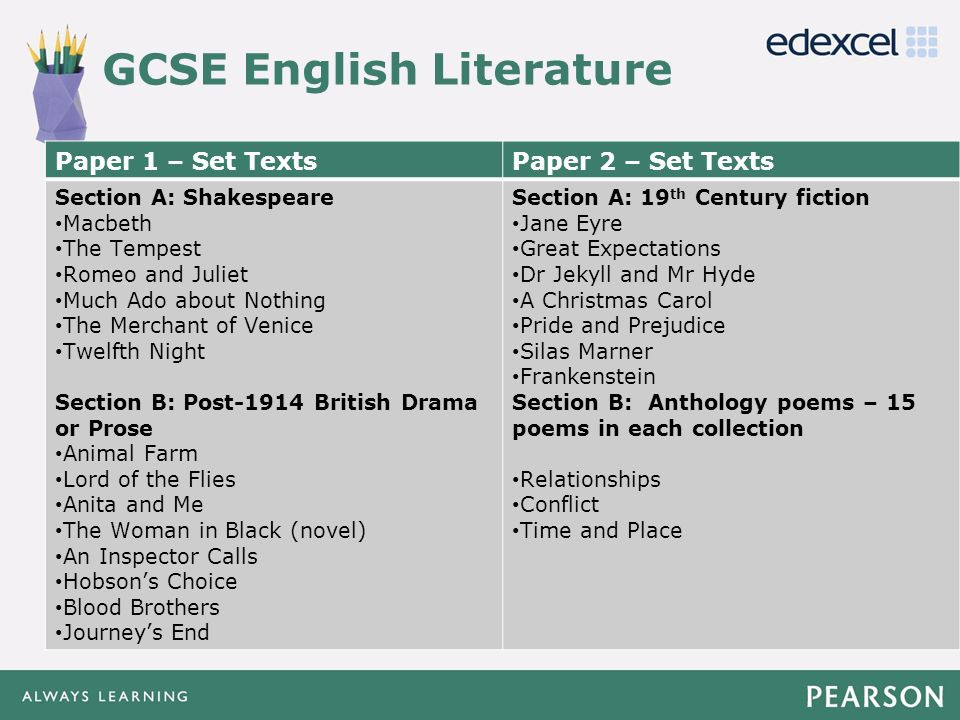
And then, the quiet panic. Because the question was not there. The question on Lady Macbeth, the question that had been predicted by teachers, drilled by revision guides, and prepared for with the meticulous, joyless focus of a military campaign, was absent. In its place were questions about Macbeth’s fears, about the nature of a character’s love. Questions that required not the regurgitation of a pre-packaged argument, but something far more terrifying: a genuine, personal response.
The social media chatter that followed was a strange mixture of outrage and despair. The consensus was clear: the exam was unfair, the questions were obscure. But to see this as a failure of the students is to fundamentally misread the situation. This was not a failure of the students at all. It was a spectacular success of a deeply flawed system. A system that has, with terrifying efficiency, taught a generation how to pass a test, but forgotten how to read a book.
The Lady Macbeth Fallacy
The expectation of a question on Lady Macbeth is the perfect synecdoche for the entire problem. It reveals that the primary skill we are teaching is not literary analysis, but pattern recognition. The process of studying these great works has been transformed into a form of high-stakes gambling, a game of spotting the likely topics, memorising the key quotes, and preparing a set of modular arguments that can be deployed at a moment’s notice.
The students are not to blame for this. They are rational actors, responding to the incentives we have placed before them. They are playing the game we have designed. We have told them that their future depends on this grade, and they have, quite logically, sought out the most efficient path to securing it.
In a sense, we have taught them to be literary taxidermists. We take a living, breathing work of art - a creature of passion, of ambiguity, of breathtaking beauty - and we instruct our students on how to kill it, skin it, and stuff it with analytical paragraphs. We teach them to identify its component parts: a metaphor here, a piece of foreshadowing there, a neat point about iambic pentameter. The final product might look like the original animal, but it is lifeless. Its heart has been removed. It is a trophy to be mounted on the wall of an exam certificate, admired for its technical perfection, and then, for the vast majority of students, forgotten.
An Education in Cookery, Without the Food
Imagine trying to teach someone the joy of cooking by never allowing them to taste the food. You would force them to memorise recipes, to learn the chemical composition of different ingredients, to understand the physics of heat transfer in a convection oven. You would test them rigorously on their ability to write an essay on the correct method for dicing an onion.
After two years of this, you might produce a student who is an expert on the theory of a soufflé. They could write a perfect, five-paragraph essay on why a soufflé rises. But they would have no idea what a soufflé tastes like. They would have no concept of the rich, airy, transformative pleasure of it. And the moment the exam was over, they would, in all likelihood, never want to enter a kitchen again.
This is what we do with English Literature. We have become so obsessed with the mechanics of analysis that we have forgotten the purpose of the act itself. Reading is not a science. It is a complex, deeply personal, and often messy human experience. It is about getting lost in a world, about feeling a character’s joy or their pain, about the shiver that runs down your spine at a perfect line of poetry. These are the things that create a lifelong reader. And these are the very things that our current system has no way of measuring, and therefore, no way of valuing.
The Ghost of the Question
The irony is that the questions on the 2022 paper were, in themselves, rather good. To ask about the nature of Macbeth’s fears, or about how a character’s love is presented, is to ask for a sophisticated and personal response. These are open questions, invitations to genuine thought.
But the system has not prepared students for an invitation. It has prepared them for a command. They have been trained to respond to specific, narrow prompts with pre-rehearsed answers. When faced with a question that requires them to formulate a genuine argument on the spot, the entire edifice of their revision collapses. They are left frantically searching through a mental filing cabinet of memorised quotes, trying to find one that can be awkwardly shoehorned into a response.
The problem is not that the students are incapable of answering these questions. The problem is that we have spent two years actively discouraging the very skills that would allow them to do so: intellectual curiosity, independent thought, and the confidence to have an opinion of their own. We have, in effect, trained a generation of literary parrots, and then expressed surprise when they are unable to sing a new song.
A Personal Reckoning
I suspect that for most of us who love books, our passion was not ignited in a classroom. It was ignited in a bedroom, late at night, with a torch under the covers. It was a private discovery, a secret world that we entered on our own terms. We did not read Romeo and Juliet for the first time with a checklist of literary devices to spot. We read it because it was a devastating story about love and death. We read Macbeth not to analyse the theme of ambition, but because we were gripped by the terrifying spectacle of a good man’s descent into madness.
The analysis came later. And when it came, it was enriching, because it gave us a language to understand the powerful, intuitive response we had already had. It was a tool to deepen our appreciation, not a substitute for it.
The current system reverses this process. It demands the analysis first. It treats the text as a problem to be solved, not a world to be experienced. And in doing so, it robs these works of their primary power: the power to move us. It is a form of intellectual vandalism, performed with the very best of intentions.
The Un-Making of the Reader
Of course, the purpose of the GCSE is to provide a standardised, national assessment. It requires a degree of objectivity, a clear set of assessment criteria. No one is arguing for an exam that consists of the single question, “So, how did Macbeth make you feel?”
But we have allowed the logistical demands of assessment to completely colonise the entire educational experience. We have let the tail of the examination wag the dog of the curriculum. The result is a system that is, for many, an un-making. It takes the natural, innate curiosity a young person might have about stories, about language, about the complexities of the human heart, and it systematically dismantles it, replacing it with a dull, anxious competence.
The goal of a literary education should be a simple and ambitious one: to create readers for life. To give young people the tools, the confidence, and the desire to continue exploring the vast, rich, and endlessly rewarding world of literature long after they have left the school gates.
The sad, unavoidable truth is that our current system often achieves the precise opposite. It is an examination machine that runs on the fossil fuels of past genius, and its primary emission is a generation of students who, upon receiving their grade, will feel a profound sense of relief that they never have to read a Shakespeare play again. And that is a tragedy that no five-act structure could ever contain.








Leave a Reply
You must be logged in to post a comment.