Gunther von Hagens, the inventor of plastination, died on 24 July at 81. He was usually described as a scientist with a taste for spectacle, but the truer description runs the other way: he was the last impresario of the anatomy theatre, a genre painting knew four centuries before Body Worlds sold its first ticket.
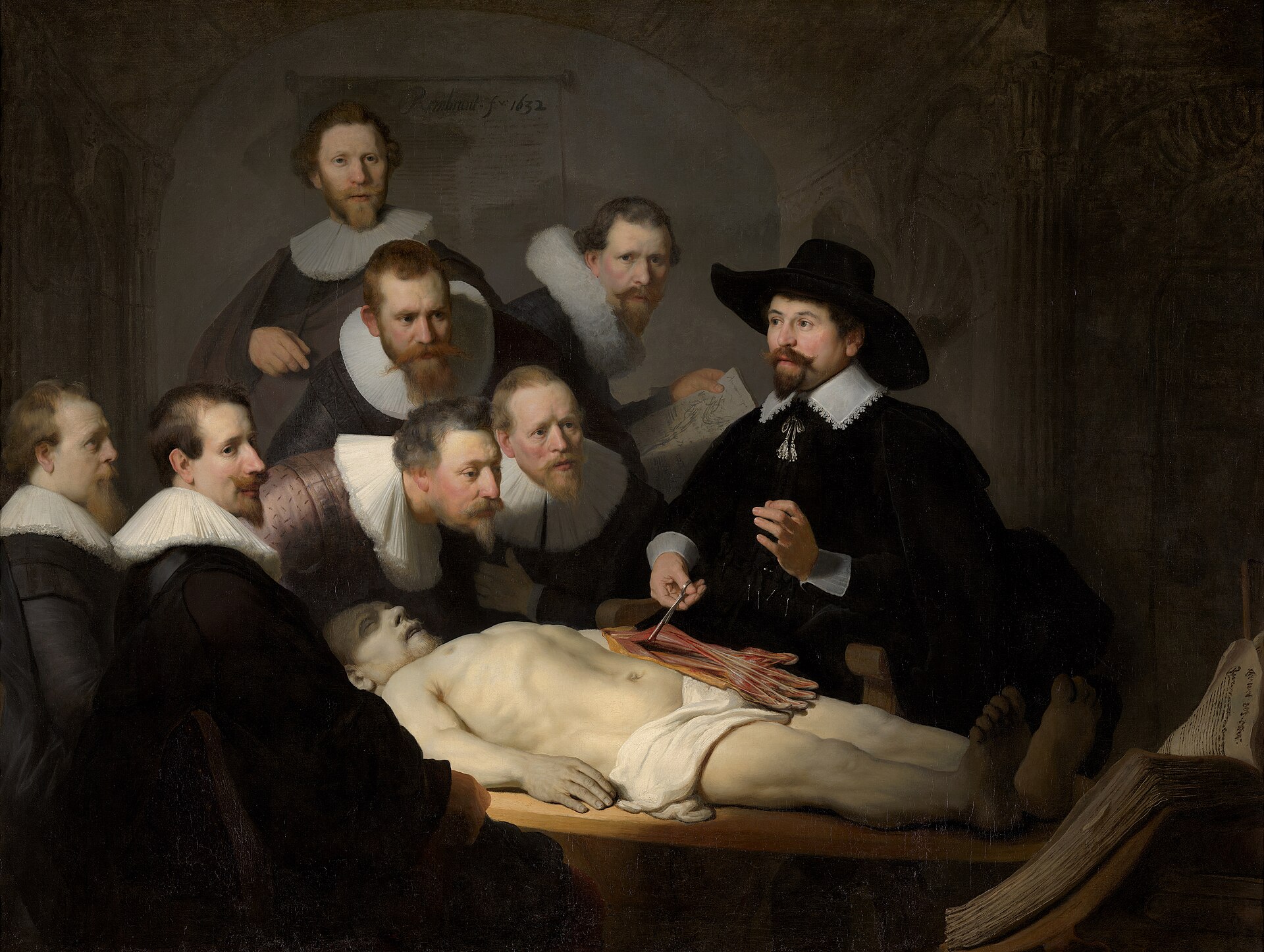
Start with the hat. Von Hagens never appeared without his black fedora, and he told anyone who asked where it came from: Rembrandt. In The Anatomy Lesson of Dr Nicolaes Tulp, painted in 1632 for the Amsterdam surgeons' guild, the young Rembrandt gives the dissecting doctor a broad black hat while the onlookers crowd in bareheaded. The hat is rank; it marks the man licensed to open a body in public. When von Hagens kept his on through lectures, interviews and the famous 2002 London autopsy, he was not being eccentric. He was citing a painting.
Anatomy as public art, 1594 onwards
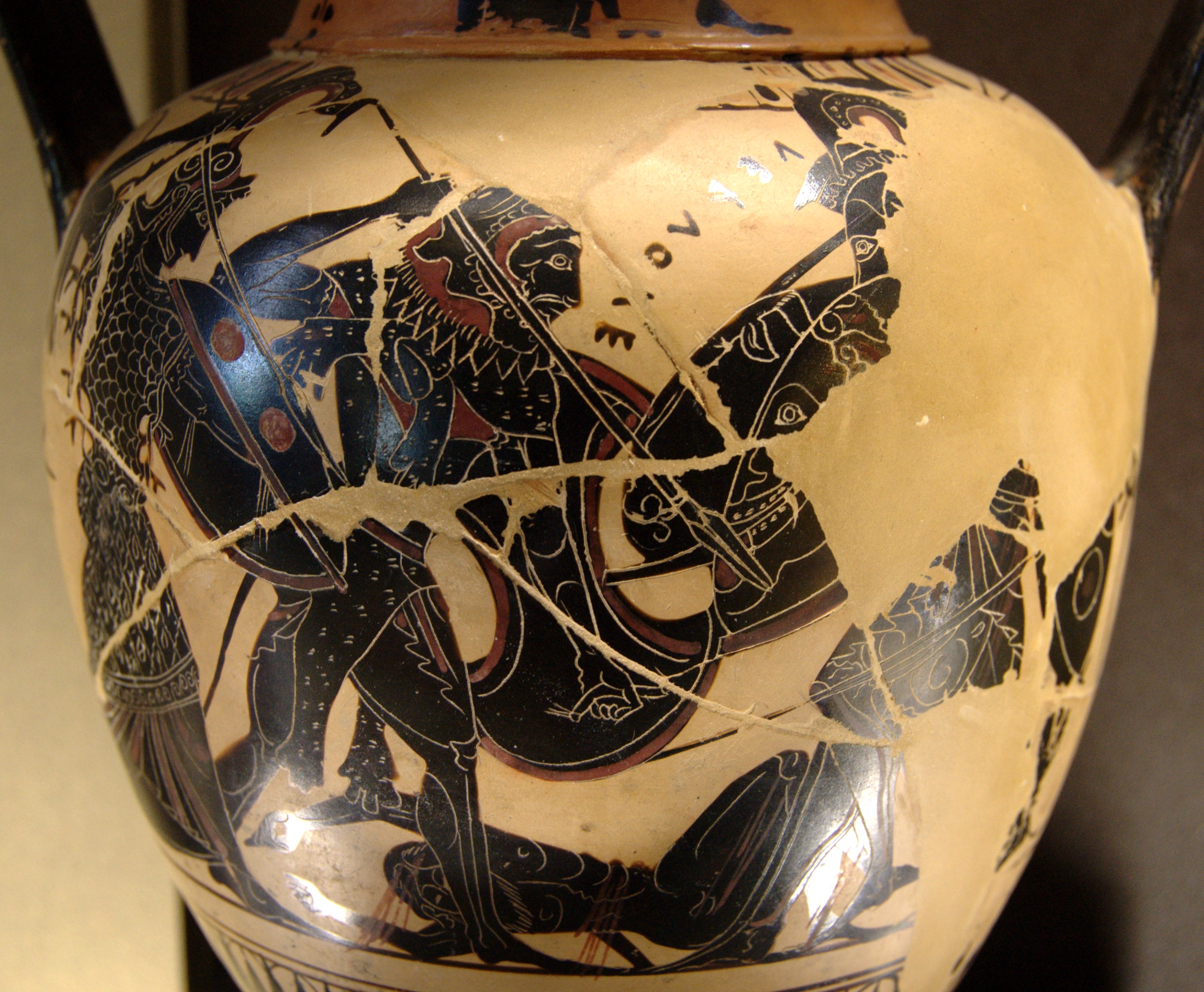
We forget how theatrical early anatomy was. The purpose-built anatomy theatre of Padua, raised in 1594, packed spectators into steep wooden galleries around the dissecting slab. Leiden's theatre followed, and in winter, when no dissection was scheduled, it displayed mounted skeletons of humans and animals holding banners about mortality, a museum of death open to the paying public. Dissections were events: ticketed, seasonal, accompanied by music in some cities, attended by magistrates, students and fashionable citizens. The line between instruction and performance was never clean, and nobody at the time pretended otherwise.
Painting fed on this world and dignified it. A short gallery of what that tradition left us:
- Rembrandt, The Anatomy Lesson of Dr Nicolaes Tulp (1632) - the guild portrait as drama, now in the Mauritshuis in The Hague; the corpse of an executed thief becomes the best-lit figure in Dutch art.
- Rembrandt, The Anatomy Lesson of Dr Joan Deyman (1656) - the surviving fragment shows the brain being dissected, the body foreshortened like Mantegna's dead Christ.
- The vanitas still life - the skull among the fruit and instruments, seventeenth-century Holland's polite reminder that every viewer is a future specimen.
- Wright of Derby, An Experiment on a Bird in the Air Pump (1768) - science as candlelit family theatre, awe and cruelty at the same table.
What von Hagens actually revived
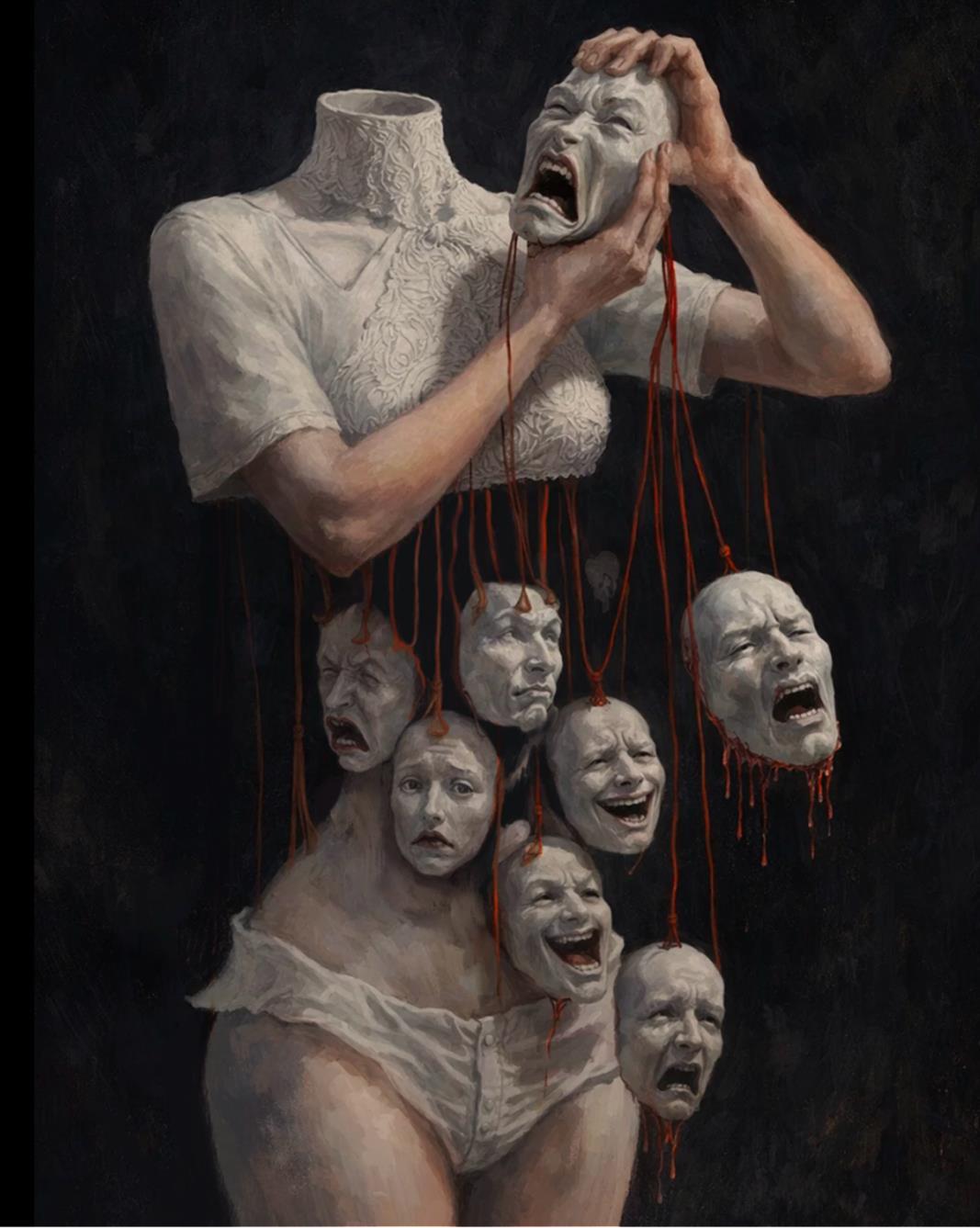
Body Worlds, first shown in Tokyo in 1995 and seen since by tens of millions, is usually filed under science communication. Walk it with the old pictures in mind and it reads differently. The flayed figure holding up his own skin repeats an anatomical illustration pose that goes back to Vesalius and to Michelangelo's St Bartholomew in the Sistine Last Judgement. The plastinate posed as a horseman is an equestrian statue with the marble removed. The chess player is a vanitas arrangement you can circle on foot. Von Hagens knew the sources and said so; the exhibitions borrowed the compositions of art history while insisting, in the wall texts, that this was education.
The material difference, of course, is that his medium was the human body itself, volunteered by thousands of living donors who signed up to be preserved. That consent register was his real innovation, and it is what separated him, legally and morally, from the anatomy theatres he quoted, which mostly worked on the executed and the unclaimed. The controversies that trailed him through the 2000s, the investigations into body sourcing that he fought and denied, were in a sense the seventeenth century's questions returning: whose body may be shown, and who profits from the showing.
The London ending
Britain gave him his most theatrical hour, the November 2002 public autopsy in an east London gallery, the first in the country in about 170 years, performed in the hat before a full house while officers of the Metropolitan Police watched from the seats. And London still holds a permanent Body Worlds display at Piccadilly Circus, which means the anatomy theatre has, in effect, reopened a short walk from the National Gallery, where the Dutch dead hang in gilt frames.
His own body now enters the collection. Von Hagens said for years that he wished to be plastinated and placed at the entrance of an exhibition, greeting visitors, and his wife and longtime curator Angelina Whalley is expected to see it done. Rembrandt's Dr Tulp presides over a corpse forever; von Hagens arranged to be both of them at once, the anatomist and the anatomy. As a piece of curation, it is flawless. As a way to leave the room, it is the oldest gesture in the genre: the vanitas turned autobiographical, the skull that used to sit on the painter's table now wearing the hat.