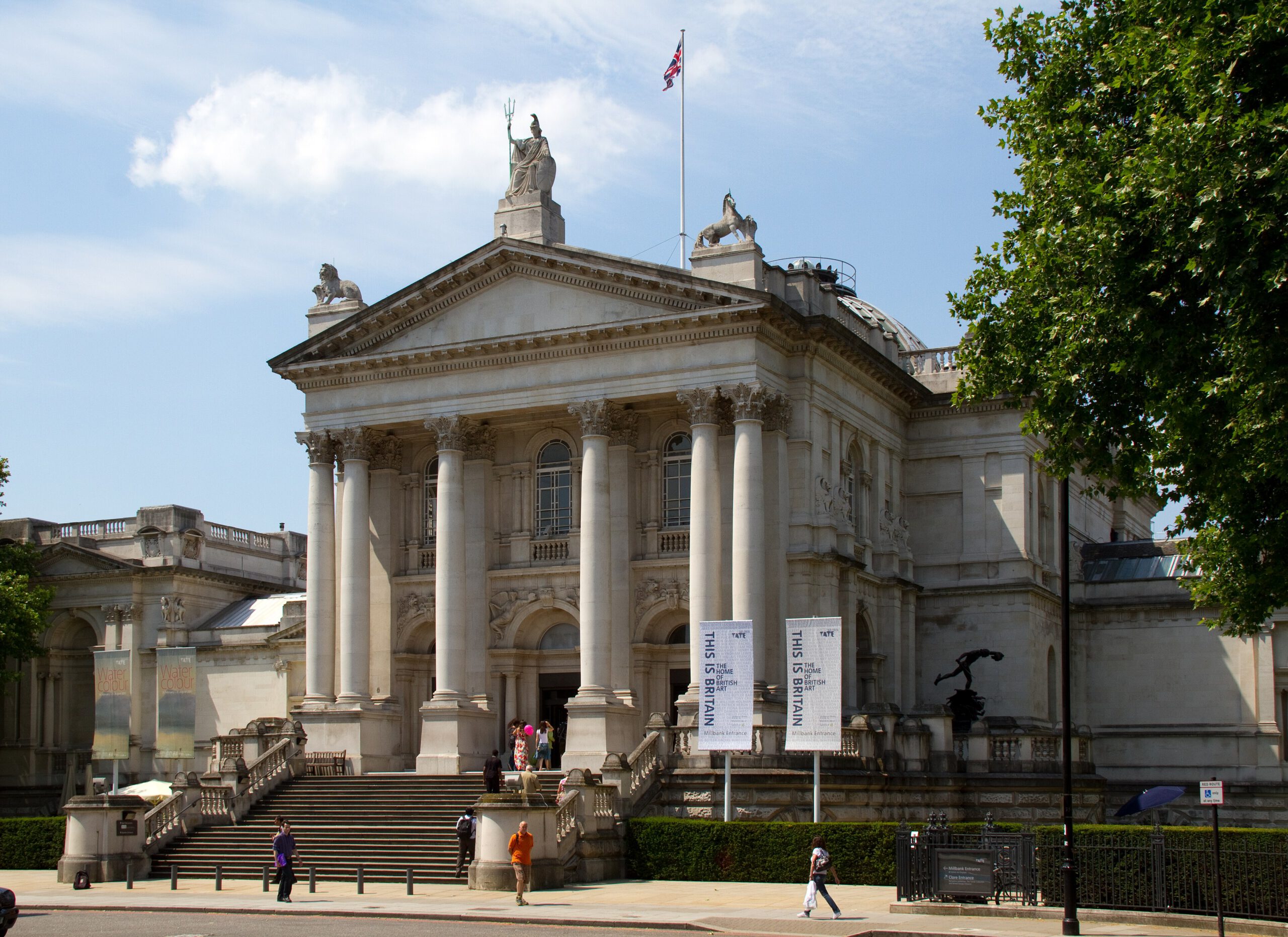
Art prizes are rarely front-page news, but the Turner Prize has made a habit of it. Since its founding in 1984, the award has been a lightning rod for debate about what British art is - or should be. Named for J.M.W. Turner, a painter who himself courted controversy, and administered by Tate, the Turner Prize is as famous for its rows as for its winners. The stories behind the prize reflect shifts in British culture, the evolution of contemporary art, and the power of notoriety to shape an artist’s career.
Origins and Ambitions: Turner, Tate, and 1984
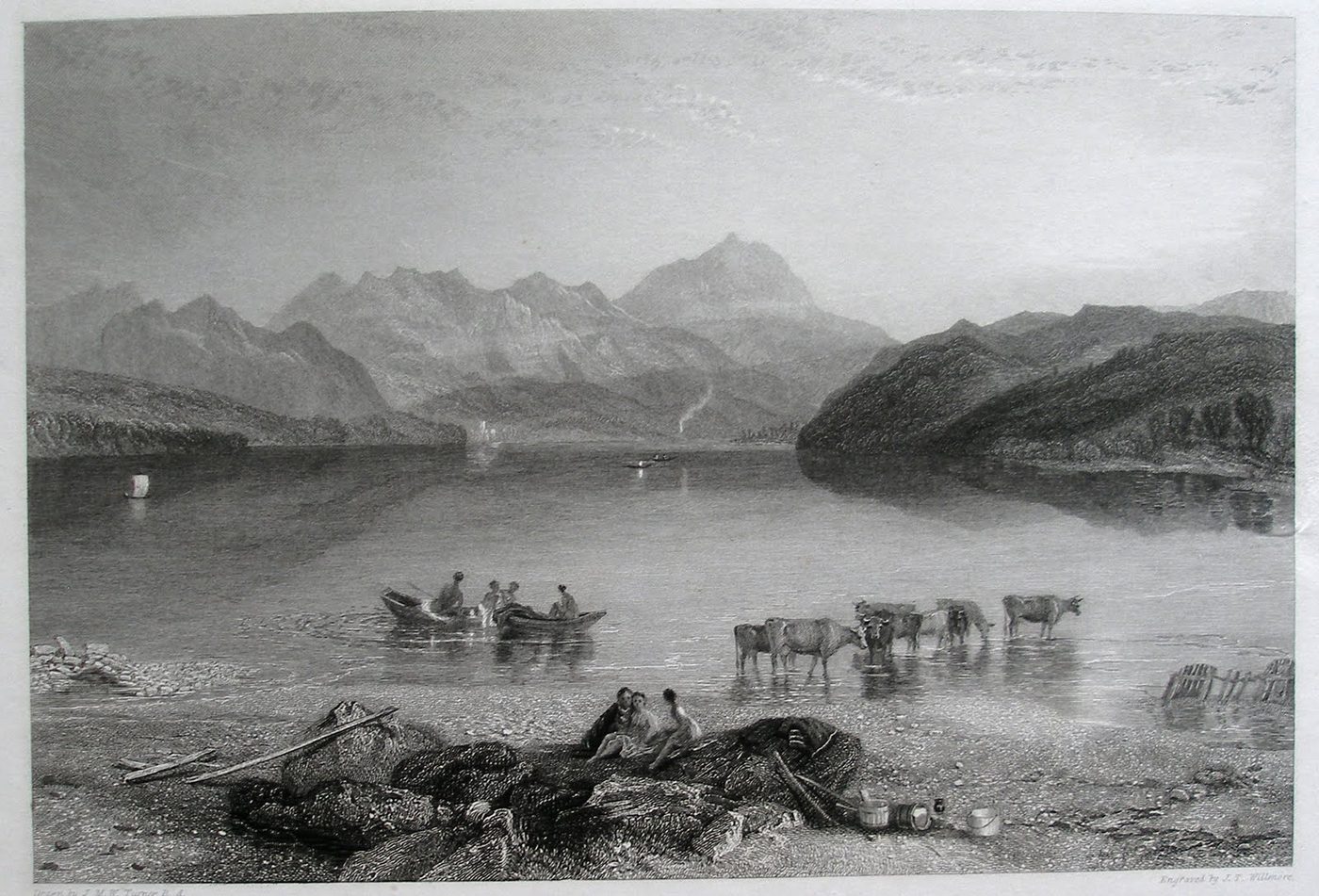
The Turner Prize was launched in 1984 by the Patrons of New Art, a group formed to encourage new British art at Tate. The idea was simple: raise the profile of artists working in Britain, reward innovation, and generate public interest. The award was named after J.M.W. Turner, whose work had stretched the boundaries of landscape painting and scandalised the Royal Academy in the 19th century. Turner’s legacy of experimentation and provocation set the tone.
The first winner was Malcolm Morley, a British-born painter living in New York. The shortlist included artists such as Richard Deacon and Gilbert & George. Early editions were mostly ignored by the wider public, but by the 1990s, the prize had become a fixture of national debate. The Turner Prize quickly acquired a reputation for championing art that was difficult, conceptual, and sometimes downright baffling to the uninitiated.
Controversy by Design: Hirst, Emin, Creed
The Turner Prize’s organisers insist that controversy isn’t the goal, but it is certainly part of the prize’s DNA. Art is meant to provoke, and the Turner Prize amplifies that provocation by placing experimental work in the spotlight. The annual shortlist is often a roll-call of artists whose work divides critics, politicians, and the man on the Clapham omnibus.
Damien Hirst’s win in 1995 was a watershed moment. Hirst was the poster boy for the Young British Artists (YBAs), a group who had already made headlines with the 1988 Freeze exhibition. His work, including “Mother and Child Divided” (a bisected cow and calf in formaldehyde) and the infamous shark (“The Physical Impossibility of Death in the Mind of Someone Living”), forced viewers to confront questions about mortality, spectacle, and the boundaries of art. Hirst’s win cemented the Turner Prize’s reputation for courting outrage - and for catapulting artists into household names.
Tracey Emin’s nomination in 1999 triggered another media storm. Her installation “My Bed” featured an unmade bed surrounded by detritus - empty vodka bottles, cigarette butts, stained sheets. Emin’s work was intensely personal, raw, and confrontational. Critics accused her of exhibitionism; supporters hailed her honesty. The tabloids had a field day, and the public flocked to see what all the fuss was about. Emin didn’t win, but “My Bed” became one of the most recognised pieces of British art in decades, later acquired by Tate.
Martin Creed’s win in 2001 may be the Turner Prize’s most infamous moment. Creed’s “Work No. 227: The lights going on and off” consisted of an empty room with lights switching every five seconds. Many questioned whether it was art at all. The Daily Mail called it “a joke,” and visitors were left bemused. Yet Creed’s piece, by stripping art to its bare essentials, forced the public to grapple with the nature of artistic intent, perception, and value. The debate itself became part of the artwork’s meaning.
Other controversies have followed: the Chapman Brothers’ hellish tableaux, Mark Wallinger’s “State Britain” (a recreation of Brian Haw’s peace protest camp), or Simon Starling’s bicycle-to-copper sculpture. Each year brings new arguments, but also new audiences. The Turner Prize’s knack for igniting debate keeps contemporary art in the headlines, and, crucially, in the conversation.
The Turner Effect: Winning, Markets, and Careers
Winning the Turner Prize is not just a badge of honour; it can alter an artist’s trajectory. The winner receives £25,000, but the real reward is attention. For artists working in the often insular world of contemporary art, the Turner Prize offers a moment of visibility that can translate into commercial success.
Damien Hirst’s market exploded after his win. He became one of the world’s most expensive living artists, with works selling for millions at auction. Tracey Emin, though she didn’t win, benefited from her nomination; “My Bed” sold to collector Charles Saatchi for £150,000 and later to Tate for £2.5m. Martin Creed, whose work is harder to commodify, nevertheless found galleries and museums keen to programme his performances and installations.
The Turner Prize can also be a mixed blessing. Artists sometimes find themselves pigeonholed by the controversy that made them famous. Some winners, like Chris Ofili (whose 1998 win involved paintings incorporating elephant dung), have managed to balance notoriety with sustained critical respect. Others, such as Richard Wright (winner in 2009 for a temporary wall drawing), have faded from public view but retained esteem within the art world.
The prize has also influenced the wider market for British art. Collectors, curators, and commercial galleries watch the Turner Prize closely. A nomination can spike prices, boost international interest, and lead to museum acquisitions. The prize’s shifting focus - from painting and sculpture to performance, video, and conceptual work - has helped shape the market for new media and installation art.
Shifting Debates: Politics, Inclusion, and the Future
If controversy is part of the Turner Prize’s design, so is change. The prize has adapted to reflect broader debates within the art world and society. In recent years, the focus has shifted from individual artists to collective work. In 2019, the four shortlisted artists - Lawrence Abu Hamdan, Helen Cammock, Oscar Murillo, and Tai Shani - asked to share the prize, citing the need for solidarity amid political turmoil. Tate agreed, marking a shift toward collaboration and activism.
The Turner Prize has also responded to criticism about diversity and representation. The 2017 shortlist featured Lubaina Himid, a Black British artist whose work explores colonial history and identity. Himid’s win was hailed as overdue recognition for artists marginalised by the mainstream. The prize has likewise broadened its definition of “British,” including artists born elsewhere but working in the UK.
The move outside London has also changed the prize’s dynamic. Since 2011, the exhibition and ceremony have rotated between Tate Liverpool, Tate Britain, and regional venues. This has brought new audiences and perspectives, and challenged the notion that contemporary art is a purely metropolitan concern.
Turner Prize Today: Still Argued-About, Still Relevant
Nearly four decades since its founding in 1984, the Turner Prize remains a fixture of British cultural life. Its ability to court controversy, reflect social change, and spotlight new forms of art ensures its continued relevance. For Tate, the prize is both a challenge and a showcase. For artists, it is a platform that can launch careers, for better or worse.
The Turner Prize may never resolve the debate about what counts as art. But in doing so, it keeps the conversation alive - a legacy that would surely have amused J.M.W. Turner himself.