
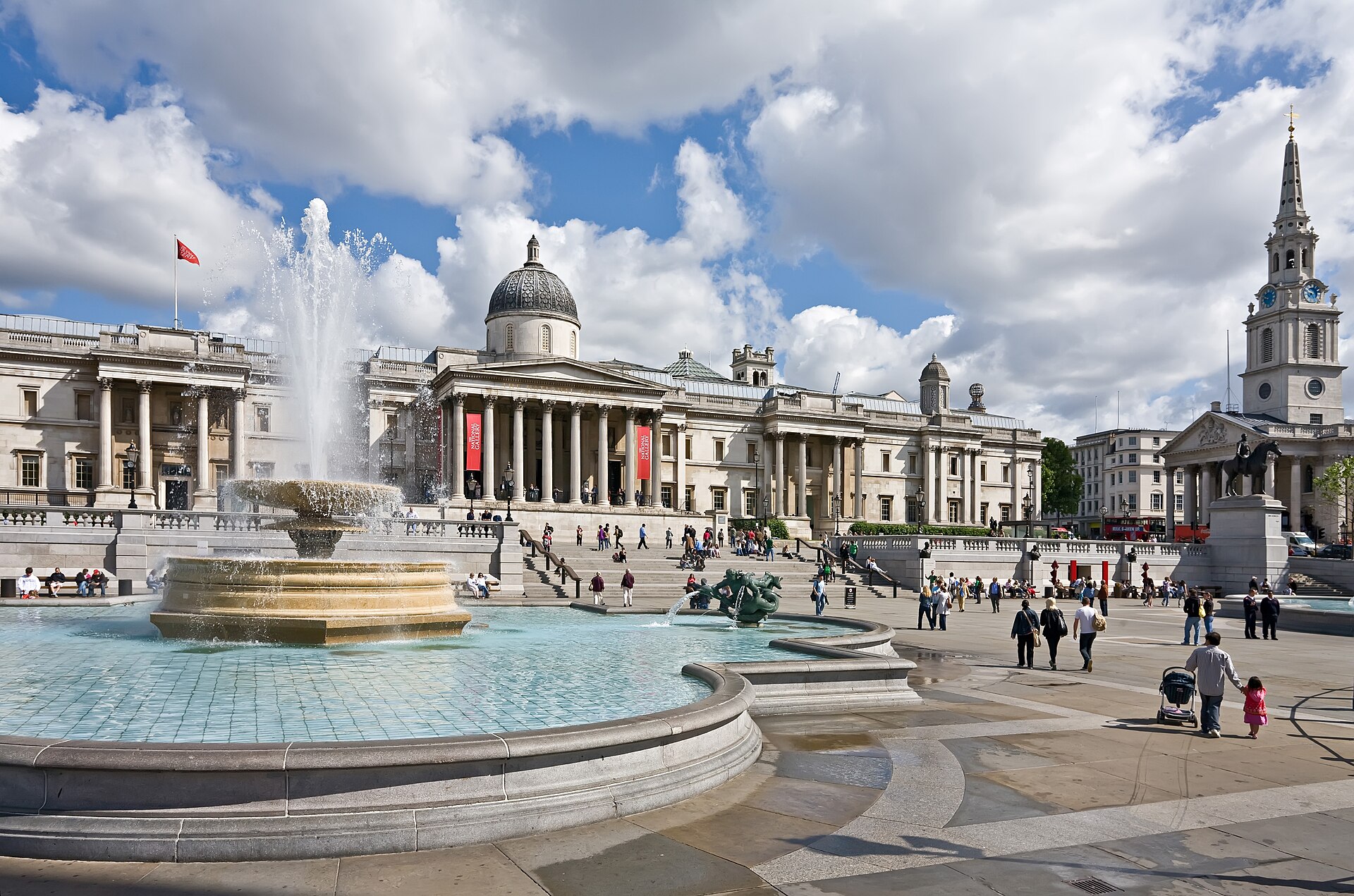
By Anna Zhila

There is a certain fragility to the public consciousness in the wake of a collective trauma. It is a state I have observed in different cities, at different times, a low, persistent hum of anxiety that settles in the spaces between people, in the quiet moments of a commute, in the hesitation before entering a crowded room. The pandemic, a uniquely global and yet profoundly isolating event, has left such an imprint on our cities. It has excavated fissures in our societal structures and in our individual minds, revealing vulnerabilities many of us had not realised were there.
London, a city whose very essence is a chaotic, relentless human density, felt this rupture with particular acuity. The silence that descended upon its streets in 2020 was an unnatural one, a suspension of the city’s vital signs. Now, in the complex aftermath, we are faced with the slow, arduous work of repair. And this is not just a matter of economic recovery or public health in the narrow, clinical sense. It is a matter of psychic reconstruction. It is a question of how a city tends to the mental well-being of its citizens.
It is in this context that I have been observing, with a mixture of professional curiosity and personal hope, the initiative launched by the Greater London Authority in early 2023. Titled "Creative Approaches to Mental Health," it is a project that, on the surface, might seem modest. It involves the creation of a network, a collaborative space for young people, arts organisations, and health and youth workers, designed to use culture and creativity as a direct intervention for those grappling with mental health challenges. Its first gathering, I recall, was held at the Southbank Centre, that great concrete temple to post-war optimism on the banks of the Thames.
To some, this might sound like a soft solution to a hard problem. In a world of overstretched healthcare systems and long waiting lists for clinical support, the idea of turning to art-making as a form of therapy can be dismissed as a well-meaning but ultimately inadequate gesture. But to do so, I believe, is to fundamentally misunderstand the nature of both art and healing. It is a failure of imagination that reveals the limitations of a purely biomedical model of mental health, a model that often sees the mind as a machine to be fixed rather than a story to be told.
The Diagnostic Deficit
The central premise of the GLA’s initiative - that culture can have a tangible, positive impact on well-being - is not a sentimental hope. It is a conclusion supported by a growing and compelling body of evidence. For decades, researchers and practitioners have documented the therapeutic efficacy of engaging with the arts. We know that the act of creating can lower stress hormones, that music can access and soothe parts of the brain untouched by language, and that shared cultural experiences can combat the profound loneliness that is both a cause and a symptom of so many mental health conditions.
What we are witnessing, then, is not the invention of a new idea, but its slow, cautious integration into the architecture of public policy. It is an acknowledgement that the clinical encounter, for all its importance, is not the only space where healing can occur. A gallery, a theatre, a community workshop - these can also be sites of recovery. They are what the sociologist Ray Oldenburg famously called “third places,” environments outside the home and the workplace where community and connection can flourish.
Perhaps the most critical aspect of the London project is its focus on young people. The pandemic has had a particularly devastating impact on the mental health of the young. Their education was disrupted, their social development arrested, their futures rendered uncertain at a formative moment in their lives. The result has been a precipitous rise in anxiety, depression, and other conditions, creating a silent epidemic that our existing health infrastructure is simply unequipped to handle.
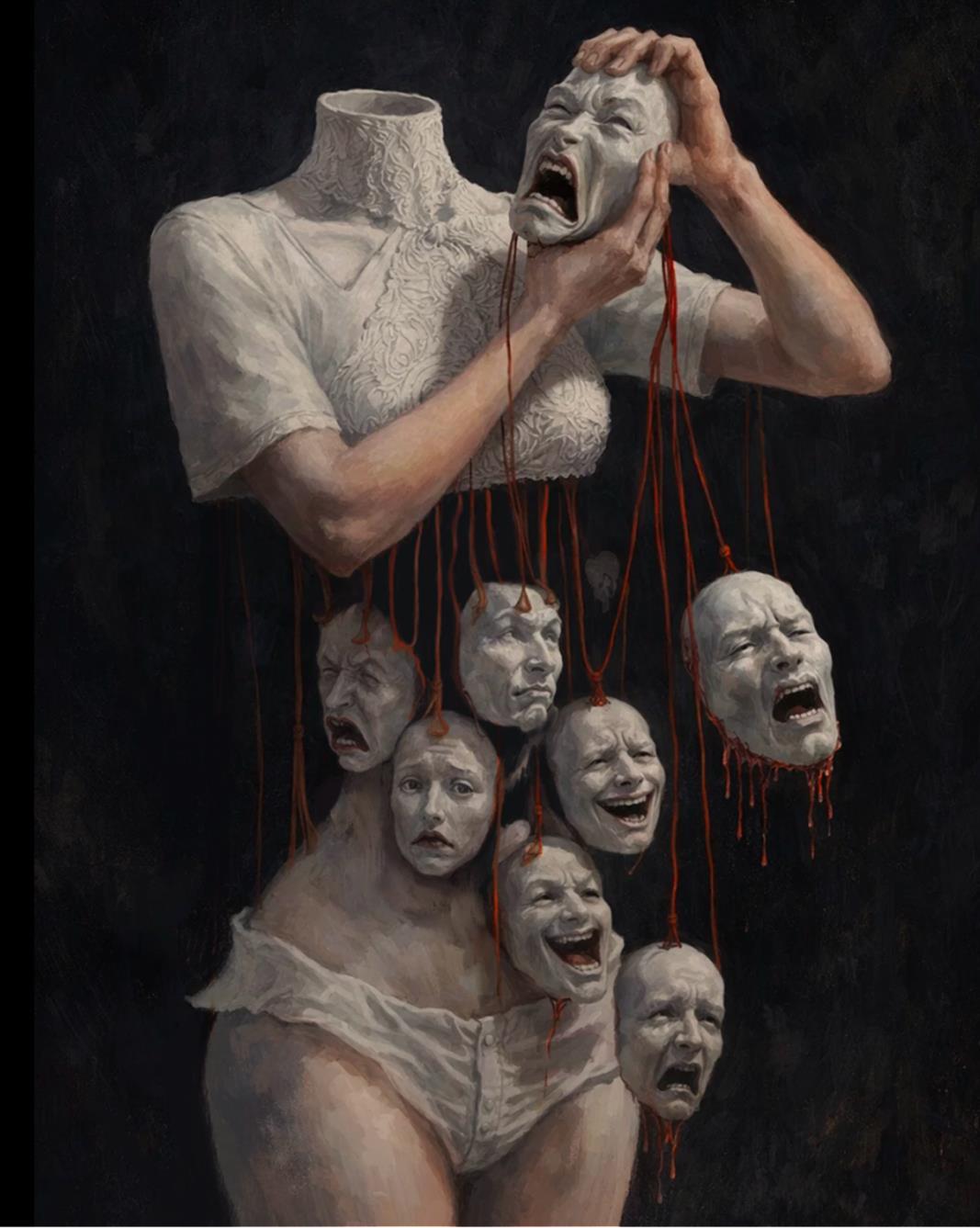
Here, the arts offer a unique and powerful tool. For a young person struggling to articulate their feelings, the language of metaphor, of colour, of sound, can provide a vital outlet. The act of externalising an internal state - of turning a chaotic feeling into a tangible object, a poem, a piece of music - is in itself a form of mastery. It is a way of saying, “This is what it feels like,” and in doing so, reclaiming a measure of control over it. It transforms the individual from a passive sufferer into an active agent in their own recovery. This is not a replacement for professional therapy, of course, but it is a powerful and necessary complement to it.
The Social Prescription
As an artist, I have always been fascinated by the spaces where disciplines bleed into one another. The GLA’s initiative is a perfect example of this cross-pollination. It is, in essence, a form of social prescribing, a movement gaining traction within the NHS that allows healthcare professionals to refer patients to non-clinical, community-based services. It is a recognition that health is not merely the absence of disease, but a complex tapestry woven from social, economic, and environmental threads.
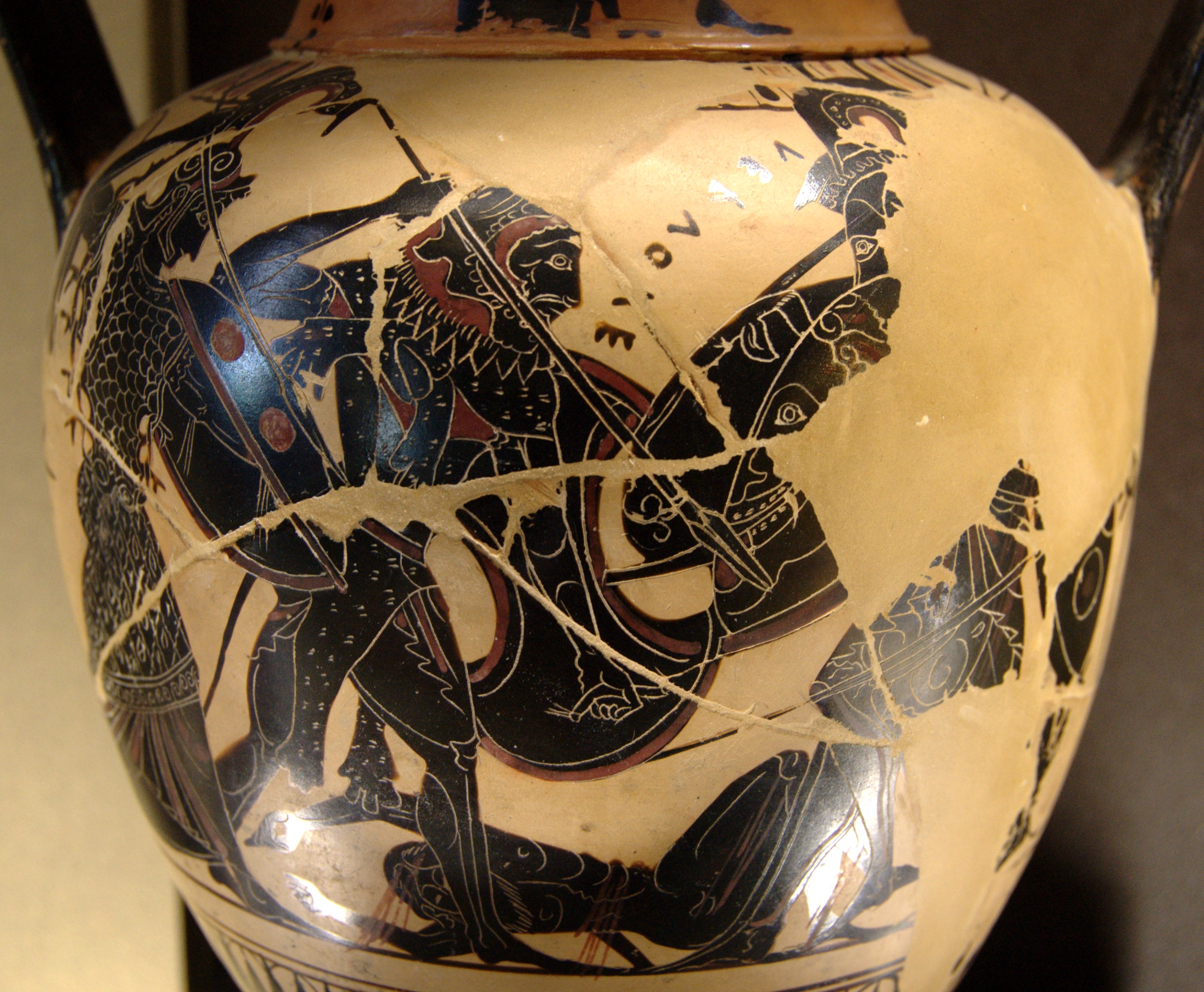
To prescribe a course of pottery classes or a place in a community choir alongside a course of antidepressants is not an act of whimsy. It is an act of sophisticated, holistic healthcare. It acknowledges that a person’s well-being is connected to their sense of purpose, their social network, and their ability to experience joy and beauty. It is, in a sense, a return to a more ancient understanding of healing, one that predates the modern, hyper-specialised division between the clinic and the community. The ancient Greeks understood that a city needed both gymnasiums for the body and theatres for the soul. They were not seen as separate, but as interconnected parts of a healthy polis.
This London-based network of artists, health workers, and young people is a modern-day experiment in recreating that integrated vision. It is an attempt to build a new kind of infrastructure, one that is not made of steel and concrete, but of relationships, of shared knowledge, of creative collaboration. It is an infrastructure of care.
A Question of Value
Of course, such initiatives are not without their challenges. They exist in a precarious funding landscape, often seen as desirable but not essential. They must constantly justify their existence in a language that policymakers can understand - the language of metrics, of outcomes, of return on investment. How do you measure the value of a teenager finding the confidence to speak for the first time in a group session? How do you quantify the prevention of a future crisis?
This is the central challenge for cultural policy in the 21st century. We must become more adept at articulating the value of our work, not just in economic terms, but in the language of public health, of social cohesion, of civic resilience. We must demonstrate that an investment in the arts is not a subsidy for a luxury good, but a strategic investment in the long-term health of our society.
The decision by the Greater London Authority to champion this cause is significant. It signals a recognition, at the highest level of municipal government, that the city’s recovery from the pandemic must be a cultural project as much as an economic one. It is a wager on the power of creativity to mend what has been broken, to build new forms of community, and to offer a language of hope in a time of profound uncertainty.
The first gathering at the Southbank Centre was more than just a meeting. It was a statement of intent. It was a declaration that in this city, the health of the imagination and the health of the public are inextricably linked. It is a small but vital step towards building a city that does not just house its citizens, but helps them to heal. And in the ongoing work of psychic reconstruction that lies before us, I can think of no more urgent or important task.



Leave a Reply
You must be logged in to post a comment.