
An Artistic Conflict
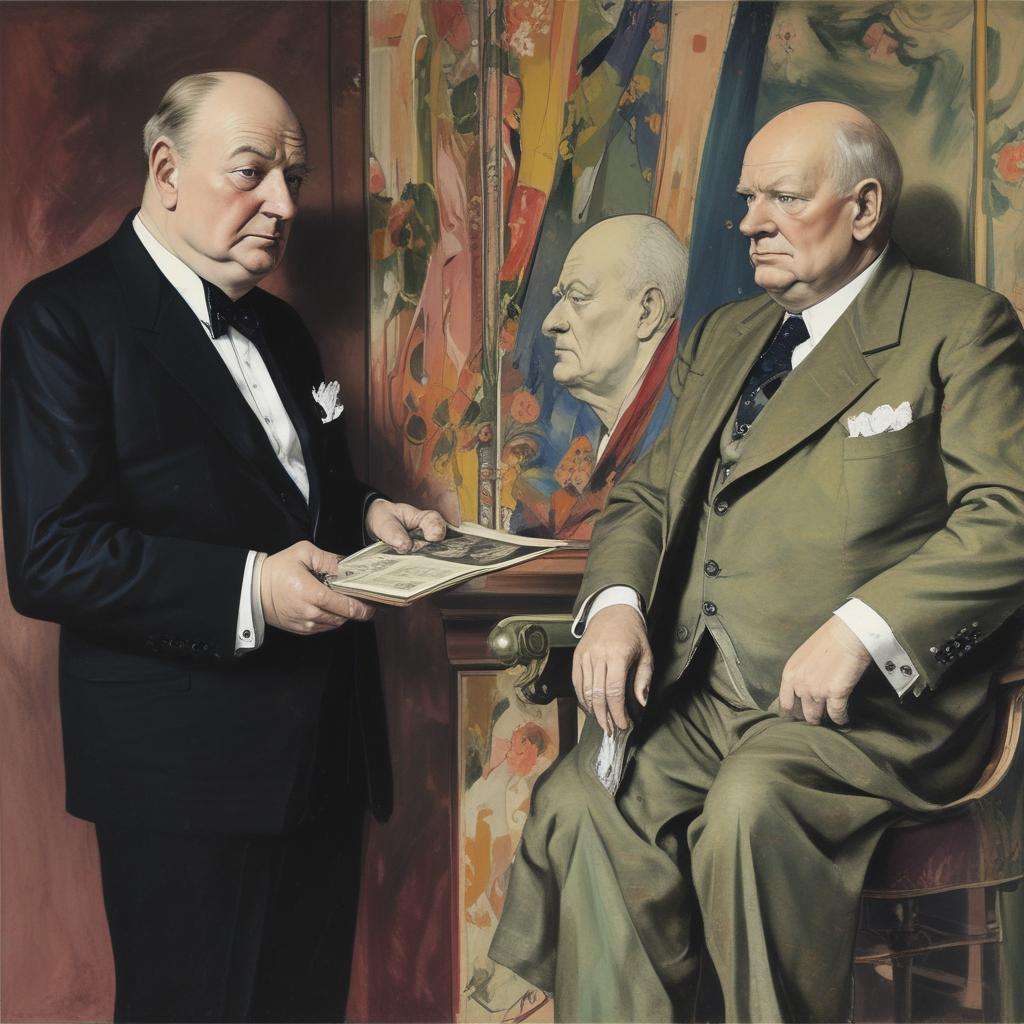
The interaction between art and politics is seldom more contentious than in the story of Graham Sutherland's portrait of Winston Churchill. Commissioned in 1954 to celebrate Churchill's 80th birthday, the portrait quickly became a symbol of artistic integrity clashing with political power.
The Commission: Honour and Expectations
A Celebratory Gesture
The British House of Commons commissioned Graham Sutherland, a prominent modern artist, to paint a portrait of Sir Winston Churchill. The intention was to honour Churchill's leadership during World War II and his significant impact on British history.
Artist's Vision vs. Public Image
Sutherland, known for his unflinching realism, aimed to capture Churchill's true character. However, the expectations from the public and Churchill himself leaned towards a more flattering depiction, celebrating the wartime leader's resilience and charm.
The Unveiling: Disappointment and Controversy
Churchill's Reaction
Upon unveiling the portrait in November 1954, Churchill was visibly displeased. He criticised the painting, calling it "a remarkable example of modern art" and expressing his distaste for how Sutherland portrayed him as an old and frail man.
Public and Critical Response
The portrait received mixed reviews from the public and art critics. Some appreciated Sutherland's honest depiction, while others sided with Churchill, viewing the painting as disrespectful to a national hero.
The Portrait's Fate: Destruction and Legacy
Lady Churchill’s Intervention
Clementine Churchill, Winston's wife, shared her husband's disdain for the portrait. She secretly arranged for its destruction, and the painting was ultimately burned in a remote location, erasing its physical presence but not its historical significance.
Artistic and Historical Impact
The destruction of Sutherland's portrait has become a poignant chapter in the history of art and politics. It raises questions about artistic freedom, the role of commissioned artworks, and how leaders wish to be remembered.
Artistic Integrity vs. Political Power
The Artist's Perspective
For Sutherland, the portrait was an exercise in capturing the truth behind Churchill's public persona. His commitment to realism and psychological depth in his subjects often conflicted with the subjects' desires for idealised representations.
Political Influence on Art
Churchill’s reaction highlights the influence political figures can wield over artistic expressions. The incident underscores the tension between personal vanity and artistic honesty, illustrating how leaders’ desires for posterity can clash with an artist’s vision.
Lessons from the Past: Contemporary Relevance
Modern-Day Parallels
The story of Churchill and Sutherland's portrait resonates today, as artists and politicians continue to navigate the delicate balance between flattery and truth. Modern controversies over political portraits and public art commissions echo the same themes of artistic freedom and political power.
The Importance of Artistic Freedom
This historical episode serves as a reminder of the vital role of artistic freedom in society. It emphasises the need for artists to remain true to their vision, even in the face of powerful opposition, and the importance of protecting creative expression from political interference.
A Lasting Controversy
The tale of Graham Sutherland's portrait of Winston Churchill is more than a story of a painting; it is a narrative about the complex relationship between art and politics. While the physical artwork no longer exists, its legacy endures as a powerful example of the conflicts that arise when artistic integrity meets political authority.





Leave a Reply
You must be logged in to post a comment.